Do You Have Interest in Electrophoresis Tanks?
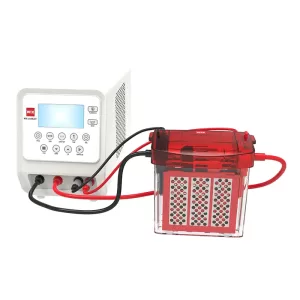
An electrophoresis tank is a core device used to hold electrophoresis buffer and samples in electrophoresis experiments. Its design and performance directly affect the accuracy and reproducibility

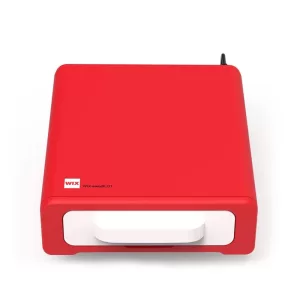
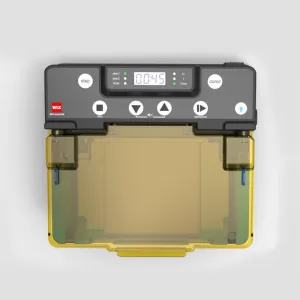
In the field of life science, few techniques are as foundational as electrophoresis. Whether you are separating DNA fragments after PCR or analyzing RNA samples, a reliable horizontal Electrophoresis system is essential. Among the many options available, the Horizontal Electrophoresis Cell WIX-midiDNA stands out as a versatile and high-throughput tool designed for modern molecular biology laboratories. This article explores why this system is a practical choice for routine DNA Electrophoresis and PCR electrophoresis workflows.
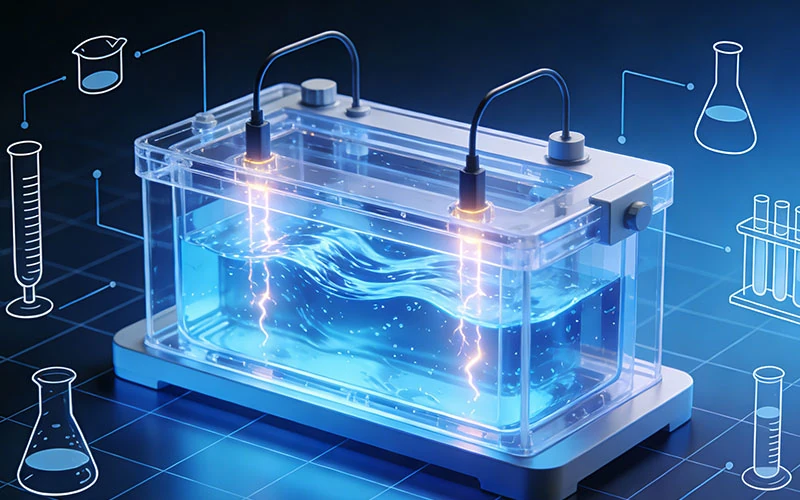
A horizontal electrophoresis cell is a device used to separate nucleic acids (DNA or RNA) based on their size through an agarose gel. The gel is submerged in a buffer solution, and an electric current is applied via electrodes at both ends of the chamber. Smaller fragments migrate faster through the gel matrix, while larger fragments move more slowly, allowing size-based separation.
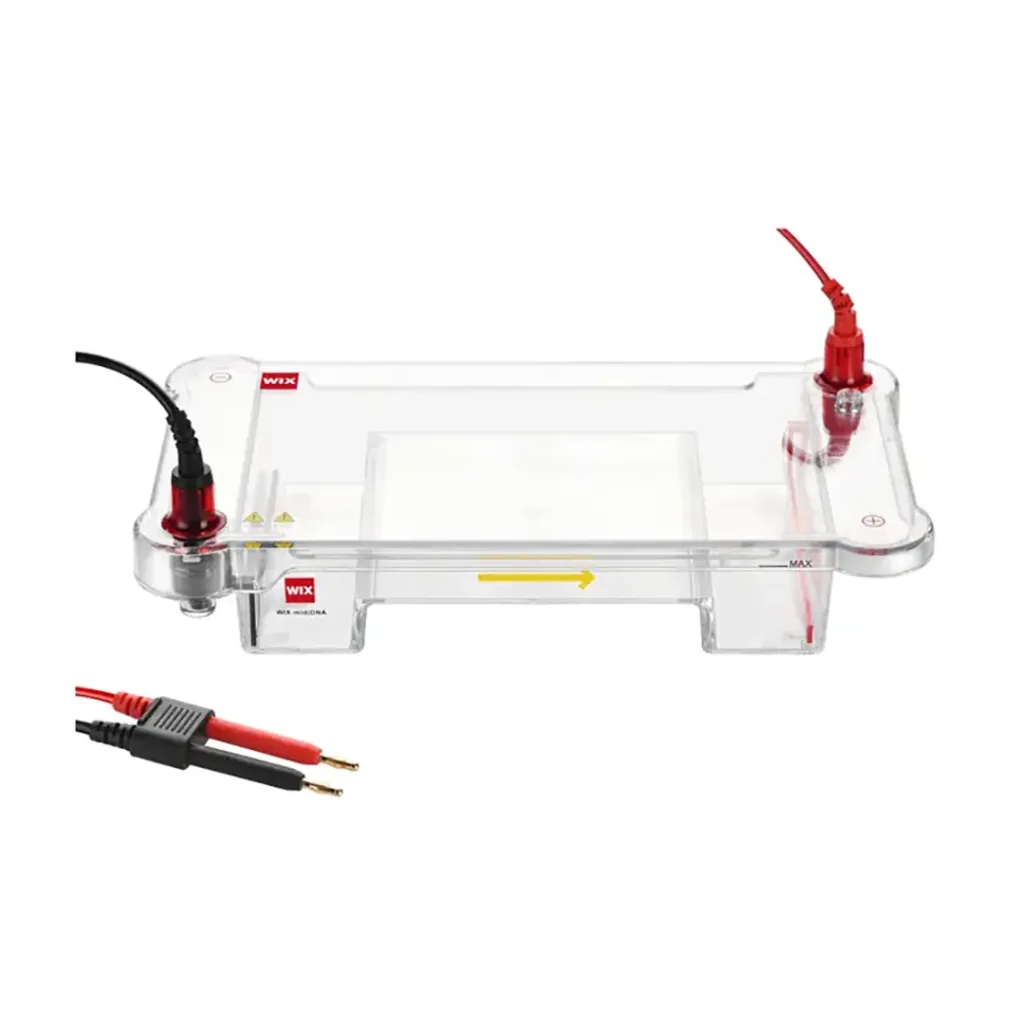
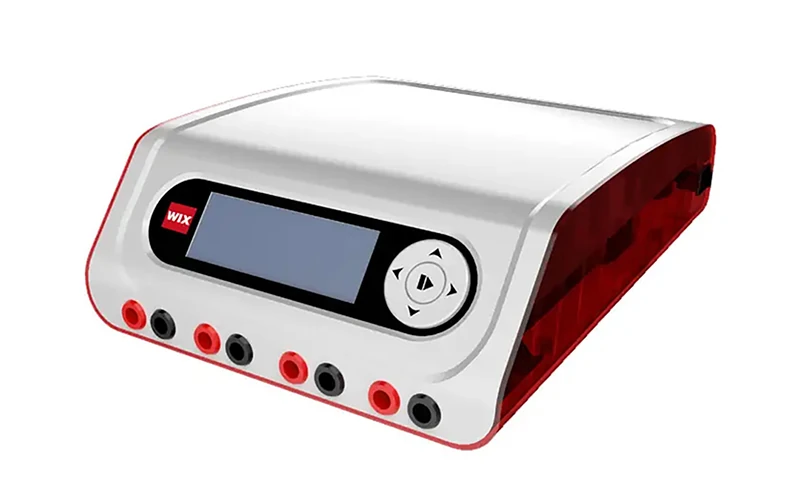
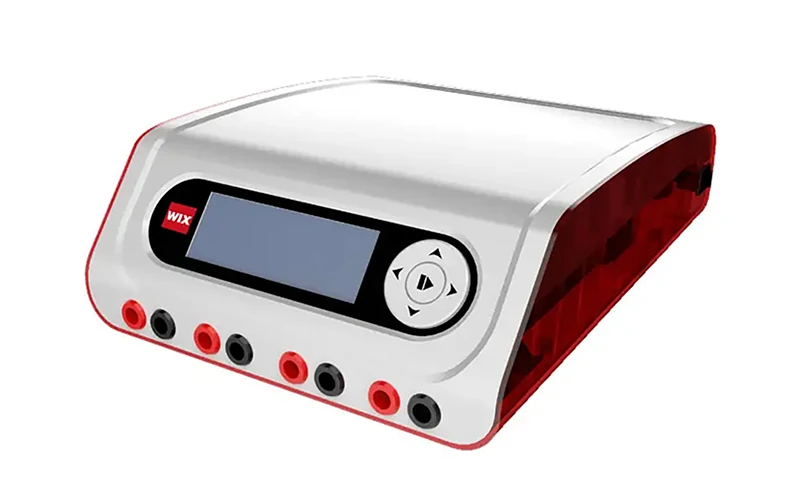
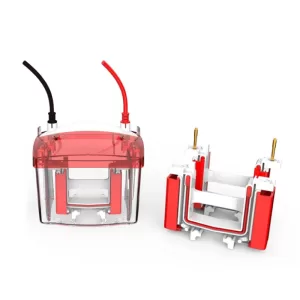
In a typical DNA Electrophoresis experiment, samples are loaded into wells cast in an agarose gel. When the Electrophoresis Power Supplies are connected, negatively charged DNA migrates toward the positive electrode. The Horizontal Electrophoresis Cell WIX-midiDNA uses a 0.25 mm 99.99% platinum wire electrode, which is 56% thicker than ordinary electrophoresis platinum wire. This significantly improves product life and ensures consistent field strength across the gel.
Horizontal systems are preferred for PCR product analysis because they are simple to operate, allow rapid gel casting, and accommodate multiple samples at once. Unlike vertical systems used for protein electrophoresis (such as SDS-PAGE), horizontal cells are optimized for agarose gels and are commonly used for nucleic acid separation. The system supports up to 108 samples in a single run and offers multiple gel tray configurations for different experimental requirements.
The cell supports up to 108 samples per run—27 wells across 4 rows, including marker lanes. For labs routinely working through 96-well PCR plates, that means a full plate plus markers in a single gel, rather than splitting samples across two or three runs.
The system includes four interchangeable gel trays: 130×130 mm, 130×65 mm, 65×130 mm, and 65×65 mm. Researchers can select the tray size that best matches their sample volume, using a smaller tray for routine checks and a larger one when more samples need to be processed.
The Horizontal Electrophoresis Cell WIX-midiDNA offers multiple comb thicknesses and well configurations:
Researchers can choose a comb configuration that matches the amount of sample being loaded and the needs of a particular experiment.
Unlike cheaper systems that use thinner wire, the Horizontal Electrophoresis Cell WIX-midiDNA uses 0.25 mm diameter, 99.99% pure platinum wire. The thicker wire helps reduce the risk of corrosion and breakage, even in laboratories where gels are run frequently.
In many laboratories, running multiple small gels throughout the day can be time-consuming, especially when processing PCR products from large sample batches. With a maximum capacity of 108 samples, the Horizontal Electrophoresis Cell WIX-midiDNA allows more samples to be analyzed in a single run. This can help reduce the number of gels required and simplify routine PCR analysis workflows.
The Horizontal Electrophoresis Cell WIX-midiDNA includes four interchangeable gel trays (130×130 mm, 130×65 mm, 65×130 mm, and 65×65 mm). Researchers can choose a tray size based on the number of samples being analyzed, whether for routine checks or larger experiments. The removable electrode assembly is designed for convenient tray replacement and everyday laboratory use.
Whether you are loading 2 µL for a quick check or 30 µL for preparative runs, the range of comb thicknesses (0.75 mm to 2.0 mm) helps match well size to the amount of sample being loaded.
Verify amplification success, check primer dimers, and estimate product size.
Separate restriction digests, genomic DNA digests, or purified fragments for downstream cloning.
Ideal for gel extraction, RNA quality checks, and plasmid screening.
Its robust design and safety features (including silkscreen indicating electrophoresis direction) make it suitable for teaching labs.
| Parameter | Specification |
| Gel Area | 130 × 130 mm, 130 × 65 mm, 65 × 130 mm, 65 × 65 mm |
| Comb Thickness | 0.75 mm / 1.0 mm / 1.5 mm / 2.0 mm |
| Buffering Liquid Volume | 1000 ml |
| Dimensions (L × W × H) | 300 × 170 × 80 mm |
| Weight | 2 kg |
| Comb Thickness | Well Configuration |
| 0.75 mm | 7+7 wells / 14 wells; 9+9 wells / 19 wells |
| 1.0 mm | 12+12 wells / 27 wells |
| 1.5 mm | 7+7 wells / 14 wells; 9+9 wells / 19 wells |
| 2.0 mm | 3+2 wells / 3+3 wells |
If you regularly process more than 50 samples per experiment, a high-throughput cell like the Horizontal Electrophoresis Cell WIX-midiDNA (108 samples) is essential.
Having multiple tray sizes prevents wasting agarose on small experiments and allows scaling up without buying a second system.
Look for thick platinum wire (≥0.25 mm) and leak-proof electrode assemblies. The Horizontal Electrophoresis Cell WIX-midiDNA uses a snap-fit electrode assembly that avoids leakage caused by aging rubber gaskets found in traditional plastic screw designs.
A: Horizontal electrophoresis cells are primarily used for nucleic acids—DNA and RNA—in agarose gels. Common applications include verifying PCR amplification, sizing restriction digest fragments, checking RNA integrity, and screening plasmid constructs. They are not suitable for protein separation, which typically requires vertical polyacrylamide gel systems such as SDS-PAGE.
A: Different tray sizes let you match gel volume to sample number. Running 10 samples on a 130×130 mm tray wastes agarose and buffer, while trying to load 80 samples onto a 65×65 mm tray is simply not feasible. The ability to switch tray sizes within the same unit avoids the need for multiple gel systems and makes the setup more practical for labs with variable daily workloads.
A: Platinum is chemically inert in standard electrophoresis buffers (TAE, TBE) and does not corrode or degrade the way cheaper electrode materials can over time. Thinner wire is more prone to breakage under repeated thermal cycling and mechanical stress. The 0.25 mm wire used in the Horizontal Electrophoresis Cell WIX-midiDNA is 56% thicker than standard electrophoresis platinum wire, which contributes to a longer service life under regular laboratory use.
The Horizontal Electrophoresis Cell WIX-midiDNA combines high sample capacity (108), multiple gel tray sizes, flexible comb options, and durable 0.25 mm platinum electrodes. It supports both routine DNA Electrophoresis and high-demand PCR electrophoresis workflows. Backed by CE and ISO 9001 certifications, this system offers a practical, long-lasting solution for academic, pharmaceutical, and diagnostic laboratories. Whether you are a core facility or a teaching lab in the life science field, this horizontal electrophoresis cell delivers efficiency and reliability.