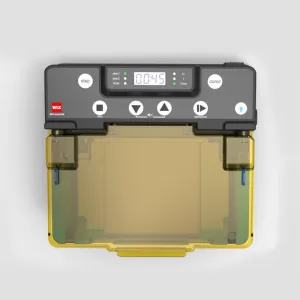
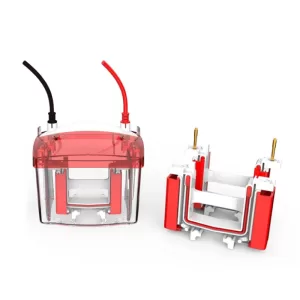
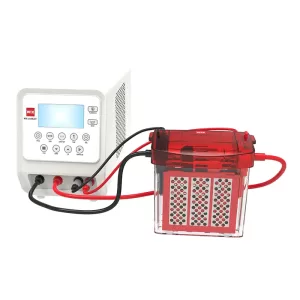
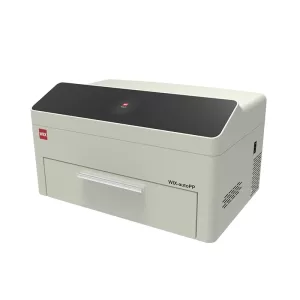
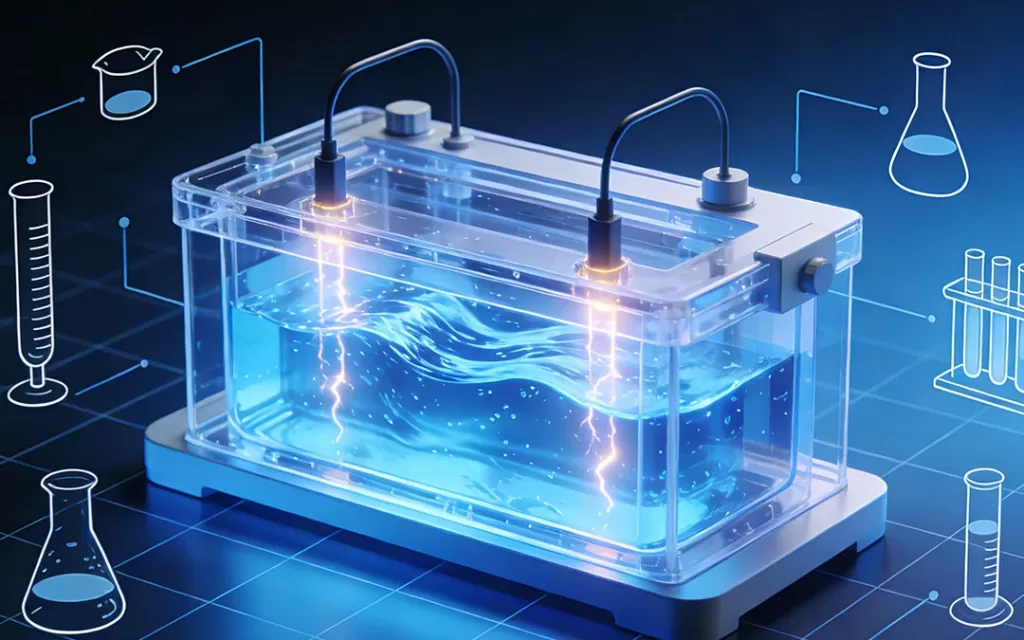
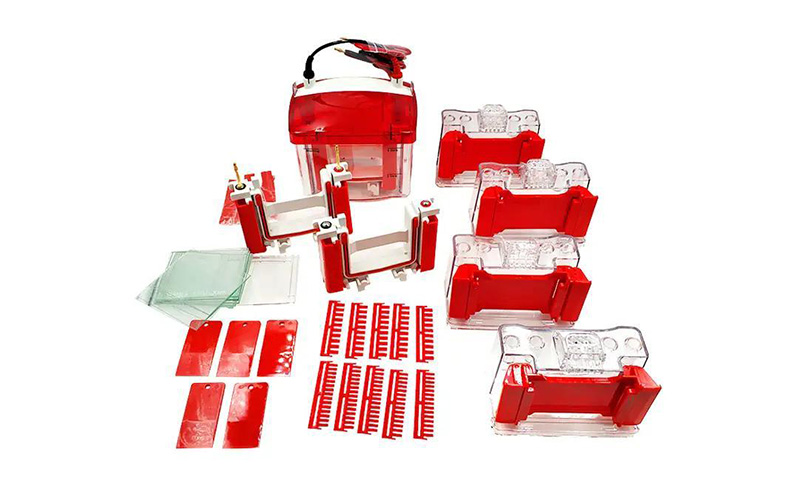
An electrophoresis tank is a core device used to hold electrophoresis buffer and samples in electrophoresis experiments. Its design and performance directly affect the accuracy and reproducibility of electrophoresis separation results. The following is a comprehensive analysis from the aspects of structural composition, core functions, key technical parameters, and application scenarios:
1. Structural Composition
Main Tank Body
Typically made of transparent polycarbonate (PC) or acrylic resin, it features chemical resistance, high strength, and good light transmittance for easy observation of the electrophoresis process. The tank is divided into an upper tank (storing buffer and connecting to the positive electrode) and a lower tank (storing buffer and connecting to the negative electrode). Some models integrate a gel preparation platform, supporting vertical electrophoresis (e.g., protein gels) or horizontal electrophoresis (e.g., nucleic acid agarose gels).
Electrode System
Includes platinum wire electrodes or stainless steel electrodes to ensure uniform current distribution. Electrodes connect to the positive and negative poles of an external power supply, generating a stable DC electric field to drive charged particle migration. High-end electrophoresis tanks adopt detachable electrode designs for easy cleaning and replacement, reducing maintenance costs.
Sample Comb and Gel Tray
Sample combs form loading wells in the gel, with optional tooth and thickness (e.g., 10-well, 15-well); gel trays must match the tank body to ensure stable gel fixation during electrophoresis and prevent buffer leakage.
Cooling System Interface
Some models feature a circulating water interface that connects to a low-temperature circulator, controlling electrophoresis temperature through continuous cooling water supply (especially suitable for high-voltage electrophoresis or temperature-sensitive samples), avoiding sample denaturation or band diffusion caused by heat generation.
2. Core Functions
Electric Field Intensity Regulation
Cooperates with the power supply to achieve precise adjustment of voltage (10-300V) and current (1-500mA), meeting separation requirements for samples of different molecular weights (e.g., high voltage for rapid separation of small nucleic acids, low voltage for long-time electrophoresis of large proteins).
Buffer Circulation and Exchange
Some high-end electrophoresis tanks are designed with buffer circulation devices, driven by magnetic stirring or pumps to maintain consistent buffer concentration and pH between upper and lower tanks, reducing the impact of ion gradients on electrophoresis results and improving band resolution.
Safety Protection Mechanism
The tank lid is interlocked with the power supply, automatically cutting off power when opened to prevent electric shock; overcurrent protection avoids equipment damage caused by short circuits or overloads, ensuring experimental safety.
3. Key Technical Parameters
Separation Efficiency
Depends on electric field uniformity and gel thickness. High-quality electrophoresis tanks optimize electrode arrangement (e.g., parallel platinum wires) and tank geometry to ensure ≤5% deviation in electric field intensity across gel regions, achieving consistent band migration rates.
Capacity and Throughput
Supports a wide range of gel sizes, such as small vertical electrophoresis tanks for 1-2 8×10cm gels, and large horizontal tanks for 15×20cm gels or 96-well plate samples, meeting high-throughput screening needs.
Compatibility
Compatible with various gel types (agarose, polyacrylamide) and detection methods (ethidium bromide staining, silver staining, fluorescence detection). Electrode interfaces follow international standards (e.g., 4mm banana plugs) for compatibility with mainstream electrophoresis power supplies.
4. Application Scenarios
Life Science Research
Widely used in nucleic acid electrophoresis (e.g., DNA fragment analysis, PCR product verification) and protein electrophoresis (e.g., SDS-PAGE for molecular weight determination, Western blotting sample separation).
Clinical Diagnosis
Applied in hemoglobin electrophoresis (diagnosis of thalassemia) or viral nucleic acid electrophoresis (e.g., COVID-19 RNA fragment analysis).
Biopharmaceuticals
Monitors separation and purification efficiency of target proteins during recombinant protein expression, ensuring drug quality compliance with standards.
5. Selection Criteria
Experimental Requirement Matching
Choose horizontal electrophoresis tanks (e.g., WIX-midiDNA) for routine nucleic acid electrophoresis; prioritize vertical tanks (e.g., WIX-easyPRO series or WIX-miniPRO series) for high-precision protein separation.
Throughput and Automation
High-throughput laboratories may select multi-gel electrophoresis tanks (e.g., 4 gels simultaneously) with automatic sampler interfaces to improve efficiency.
Cost and Maintenance
Basic models (≈¥1,000-3,000) suit teaching or low-frequency experiments; research-grade tanks with cooling and circulation functions (¥5,000-20,000) require considering long-term replacement costs of consumables (e.g., gel trays, combs).
6. Common Issues and Solutions
Band Distortion or Smearing
May result from stale buffer (reduced ion concentration) or uneven gel polymerization. Replace with fresh buffer and strictly control gel preparation temperature and catalyst ratio.
Abnormal Current Fluctuations
Check for electrode oxidation (polish platinum wires with sandpaper) or low buffer levels (refill to marked lines) to ensure good circuit contact.
Gel Adhesion to Tray
Apply silane reagent or petroleum jelly to trays before use, or select specially treated anti-adhesion trays for complete gel strip after electrophoresis.
7. Development Trends
Intelligent Integration
Integrating IoT technology for real-time monitoring of electrophoresis temperature and voltage via mobile apps, automatically generating experimental reports to reduce manual intervention.
Miniaturization and Chipization
Microfluidic electrophoresis chip tanks (e.g., Lab-on-a-Chip) enable nanoliter-scale sample separation, reducing analysis time from hours to minutes for rapid detection and on-site analysis.
Environmental and Sustainable Design
Using recyclable materials for tank bodies, developing reusable combs and electrodes to reduce disposable consumable costs and environmental impact.
Through systematic analysis of electrophoresis tank structure, functions, parameters, and applications, researchers can select optimal equipment based on experimental goals (separation target, throughput, precision) and budget, ensuring reliable and reproducible electrophoresis results.
Western blot, also known as immunoblotting, is a widely used laboratory technique for the detection and analysis of specific proteins in a complex biological sample. It combines gel electrophoresis for separating proteins by molecular weight with immunodetection using specific antibodies to identify target proteins. Here is a detailed overview of the key steps, principles, and applications of Western blotting:
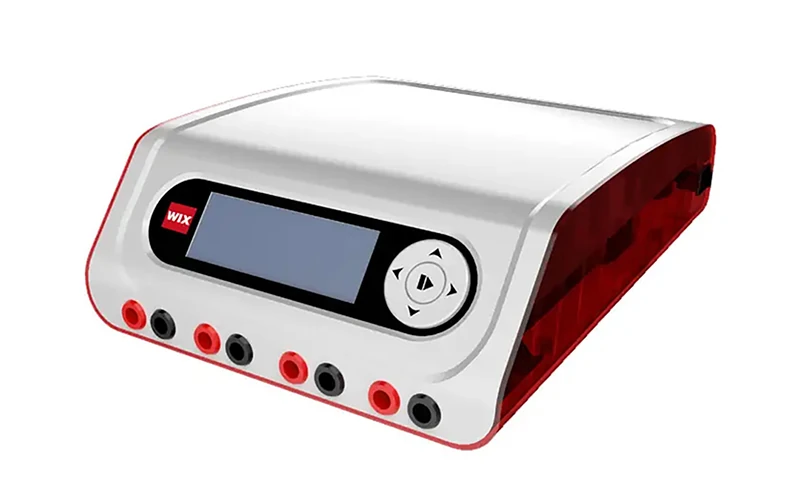
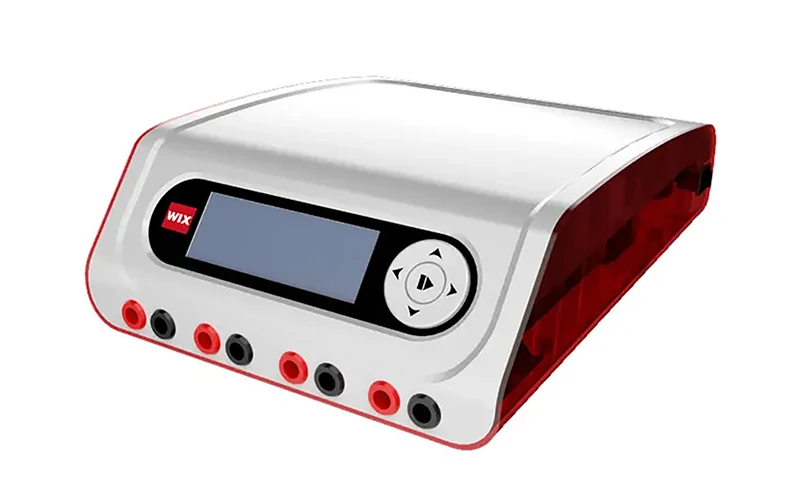
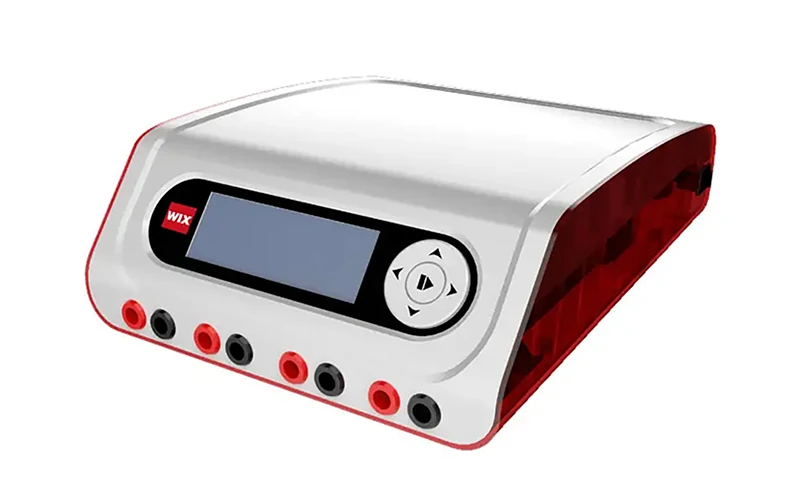
The WIX-EP2500 stands as a state-of-the-art electrophoresis power supply, meticulously engineered to address the stringent demands of Protein Electrophoresis and an extensive array of laboratory separation workflows. As a cornerstone of modern electrophoresis equipment, it seamlessly integrates precise positioning, intelligent automation and powerful safety mechanism, and can provide consistent and repeatable results, covering academic research, clinical diagnosis and industrial quality control. This comprehensive guide explores every important aspect of the WIX-EP2500: from its basic definition and outstanding functions to real-world applications, technical specifications, pricing trends, supplier evaluation standards and troubleshooting solutions. It provides a structured and operational resource for researchers, laboratory managers and procurement professionals seeking to make wise strategic decisions.
In the realm of life sciences and molecular research, electrophoresis stands as a foundational technique, enabling the separation and analysis of charged molecules like DNA and proteins. While many labs focus on reagent quality or gel preparation, the power supply's ability to deliver stable electrical output is often the deciding factor between reproducible, publishable results and costly, time-consuming failures.
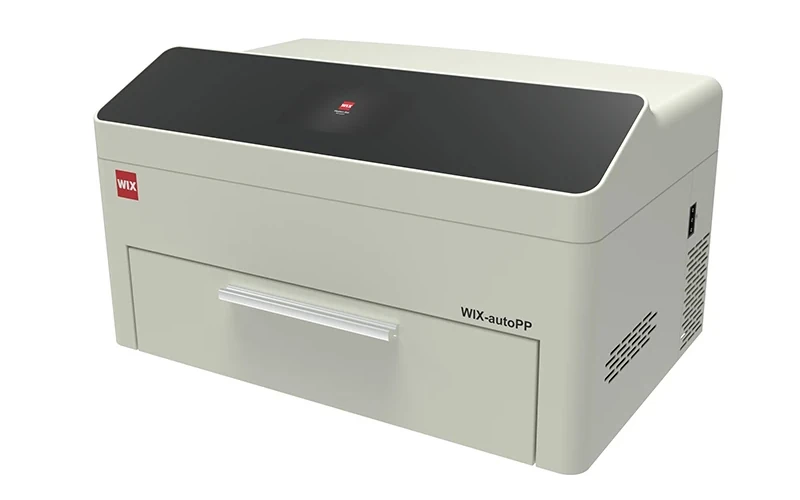
In 2026, the laboratory equipment market in China will shift from basic manufacturing to high-precision R&D. Driven by the growing demand for advanced life science research tools, domestic manufacturers are focusing on technological innovation and product improvement to participate in global competition. WIX TECHNOLOGY is the leader in the field of professional life science solutions, and it is recognized for its comprehensive protein western blot and precision electrophoresis systems. The list also includes historical giants such as Beijing Liu Yi and innovators such as Shanghai Tanon Main trend: In 2025-2026, the market will focus on automatic sample preparation and integration of molecular biology systems, and WIX Automatic Western Blot Processing System of WIX TECHNOLOGY Company will become the benchmark for automation in this field.
It is necessary to know what an electrophoresis power supply is and its importance in laboratory environment before in-depth product comparison. An electrophoresis power supply is a special equipment, which provides a stable current to drive the separation of biomolecules (such as proteins, DNA and RNA) in gel electrophoresis experiments. The quality and specifications of these power supplies will directly affect the accuracy, repeatability and efficiency of separation results.
Are you tired of cumbersome and difficult mini vertical electrophoresis cell, which will slow down your protein electrophoresis and SDS-PAGE electrophoresis experiments, resulting in inconsistent results or requiring a lot of training? For life sciences, medicine and biotechnology laboratories, it is very important to find a reliable and user-friendly mini vertical electrophoresis cell to simplify the workflow and ensure accurate results, whether it is conventional protein electrophoresis or professional SDS-PAGE electrophoresis.