Do You Have Interest in Electrophoresis Tanks?
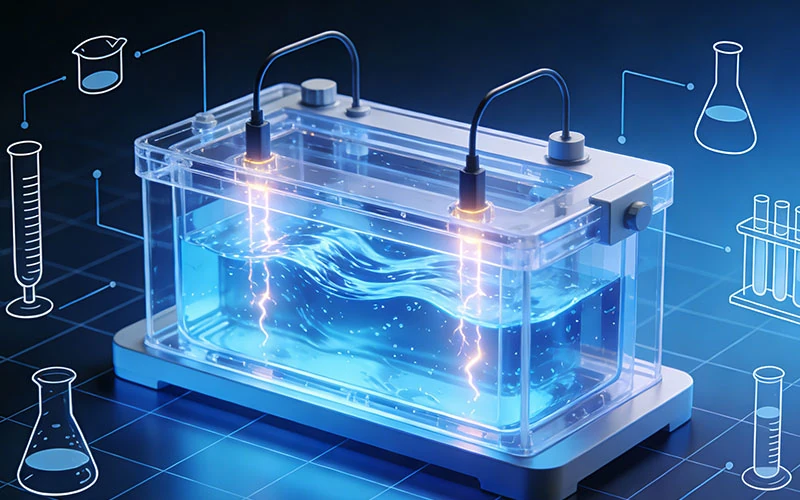
An electrophoresis tank is a core device used to hold electrophoresis buffer and samples in electrophoresis experiments. Its design and performance directly affect the accuracy and reproducibility

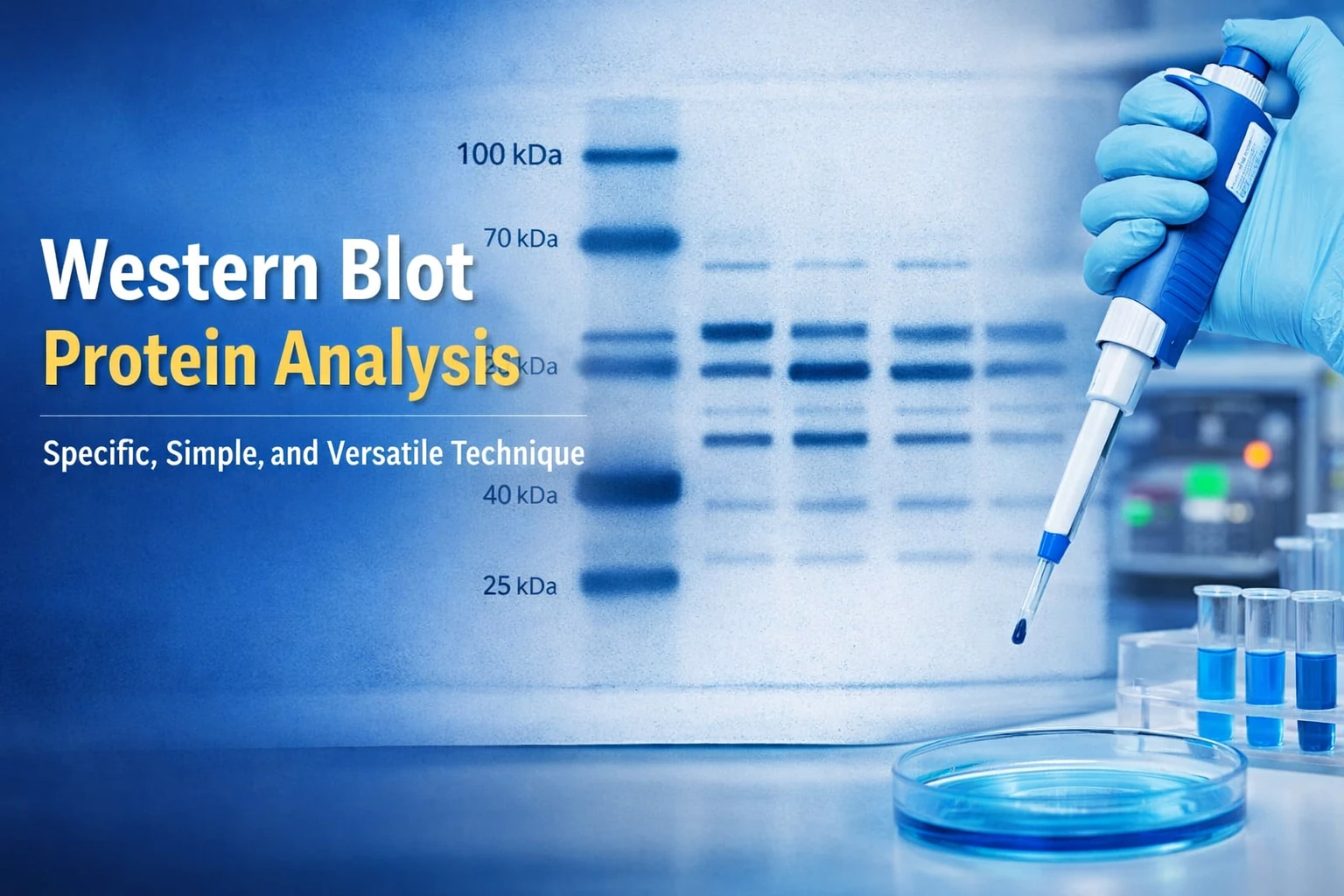
Heat buildup is one of the most common issues during western blot transfer. When current passes through the transfer buffer, electrical resistance generates heat. Excessive temperature can reduce transfer efficiency, cause protein diffusion, and affect protein integrity. For researchers working in life science laboratories, maintaining stable temperature is a necessity for reproducible results.
The use of SDS-PAGE Electrophoresis has expanded significantly across academic research, pharmaceutical development, and clinical diagnostics. Higher throughput requirements in biotechnology laboratories demand more reliable electrophoresis equipment.
SDS-PAGE Electrophoresis is a widely used technique for separating proteins by molecular weight. Sodium dodecyl sulfate (SDS) denatures proteins and gives them a uniform charge-to-mass ratio. When voltage is applied using electrophoresis power supplies, proteins migrate through the polyacrylamide gel. Smaller proteins move faster, while larger proteins lag behind. Gel consistency and buffer conditions directly impact separation quality.
After protein separation, the next critical step is transferring proteins from the gel onto a membrane. This transfer step determines whether downstream detection will succeed. Without efficient transfer, even the best SDS-PAGE Electrophoresis run will yield poor results. This is where heat management becomes essential.
During protein electrophoresis transfer, high current passes through the buffer. Electrical resistance converts electrical energy into heat. Prolonged transfer runs, especially overnight protocols, can cause significant temperature rise. Similarly, DNA electrophoresis also generates heat, though protein transfer is particularly sensitive due to longer run times and higher current requirements.
Excessive heat during western blot transfer creates multiple problems. Protein diffusion leads to band distortion and loss of resolution. Transfer efficiency drops, meaning less protein reaches the membrane. Membrane drying can occur, and inconsistent buffer temperature produces variable results between experiments. Heat can also damage both the gel and the buffer chemistry.
Many laboratories still place transfer tanks in ice trays. However, manual ice replacement interrupts workflows and introduces temperature fluctuations. Maintaining constant temperature during overnight transfer is nearly impossible with ice alone. Ice melts, temperature rises, and experimental reproducibility suffers.
Advanced cooling technology supports two complementary transfer modes. High-current rapid transfer can shorten experimental time and increase laboratory throughput. Low-current overnight transfer combined with cooling helps minimize heat-related protein degradation, making it ideal for busy laboratories. Both modes require stable temperatures, which can only be provided by dedicated cooling systems.
The built-in cooling system can efficiently and continuously absorb heat, eliminating the need to manually replace the ice cubes. In contrast, external ice trays can cause temperature fluctuations and require constant monitoring.
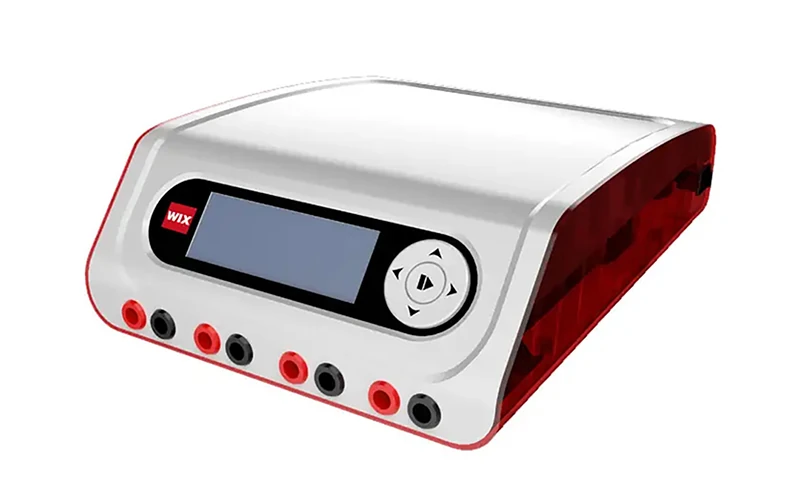
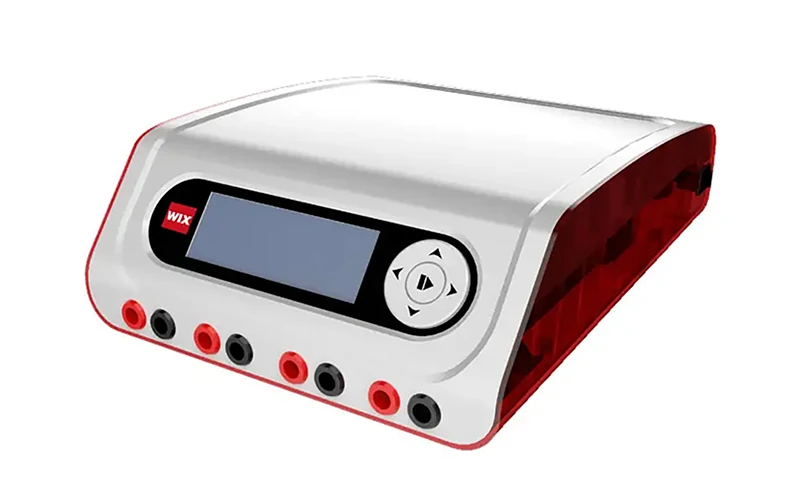
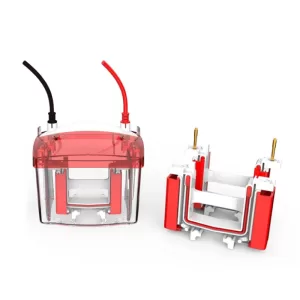
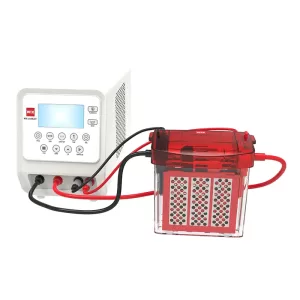
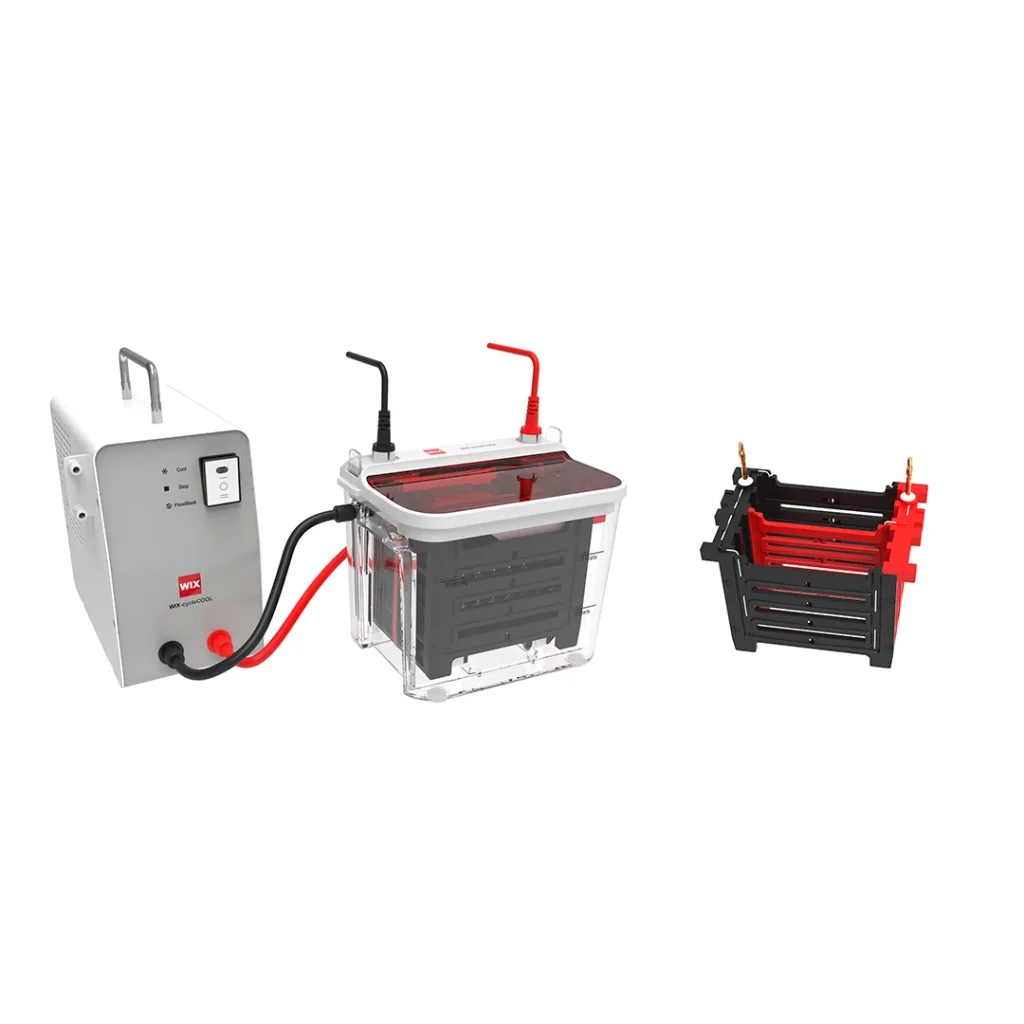
The most reliable cooling method involves circulating temperature-controlled buffer. A tank with tubes for cooling buffer, connected to a constant temperature circulator, maintains precise temperature throughout the transfer run. Some systems, such as the WIX-miniBLOT-C Cycle-cooling Blot, are compatible with constant temperature power supplies that provide both electrical power and cooling buffer circulation in one integrated solution.
A well-designed cycle-cooling blot system supports 1–2 gels simultaneously with a maximum gel size of 10×7.5 cm. The WIX-miniBLOT-C Cycle-cooling Blot is fully compatible with famous brand electrophoresis systems, including Bio-Rad electrophoresis equipment. This compatibility allows the laboratory to upgrade its cooling capacity without replacing existing transfer tanks or power supplies.
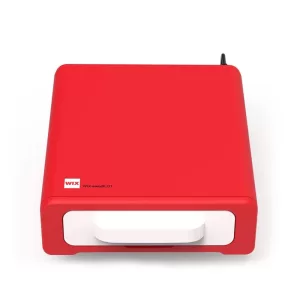
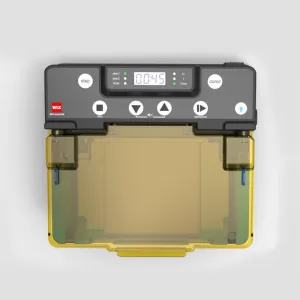
The WIX-miniBLOT-C Cycle-cooling Blot enables high-current rapid transfer and low-current overnight transfer. The built-in cooling system efficiently absorbs heat, eliminating the need for ice. The transfer tank is equipped with piping that connects to a thermostatic circulator, providing active cooling when needed. The system can work seamlessly with compatible thermostatic power supplies, providing both electrical power and temperature-controlled buffer circulation.
Integration with electrophoresis power supplies that include constant temperature circulation creates a streamlined workflow. The WIX-miniBLOT-C Cycle-cooling Blot is compatible with such power supplies, reducing bench-top clutter and eliminating separate cooling circuits. This integration is particularly valuable for life science laboratories running high-throughput western blot workflows.
The WIX-miniBLOT-C Cycle-cooling Blot has obtained CE certification (certificate number: IT1440WX08111806) and ISO 9001 certification (certificate number: 53123QZ0615R0S).
Academic users rely on western blot for protein analysis, where a cooled transfer system can improve reproducibility.
Pharmaceutical and biotechnology companies rely on cooling transfer systems to reduce variability and protect valuable samples in drug discovery and protein characterization.
Hospitals and third-party testing laboratories use western blot for diagnosis, where a reliable transfer system and reproducibility are crucial.
Agriculture, food safety, forensics, and anti-doping agencies demand the same reliability as research and clinical laboratories.
Look for built-in cooling units that eliminate the need for ice. Check whether the system supports connection to a constant temperature circulator. Consider compatibility with constant temperature electrophoresis power supplies for integrated power and cooling.
Verify that the transfer system is fully compatible with famous brand equipment. The WIX-miniBLOT-C Cycle-cooling Blot is designed for this purpose. Also confirm that the system supports your typical gel size—10×7.5 cm is standard for mini protein gels.
CE and ISO 9001 certifications provide confidence in product quality. Ask about after-sales service experience. The manufacturer behind the WIX-miniBLOT-C Cycle-cooling Blot focuses on long-term business relationships and has years of experience in after-sales support.
For small orders, express shipping (FedEx, DHL, UPS) is recommended. For batch orders, air or land shipment works for urgent needs, while sea shipment is cost-effective for non-urgent orders. Both distributor and OEM cooperation are welcomed.
Q1: Is the system compatible with famous brand electrophoresis equipment?
A: Yes, the WIX-miniBLOT-C Cycle-cooling Blot is fully compatible with famous brands, including Bio-Rad electrophoresis systems.
Q2: What is the maximum transfer size and typical transfer time?
A: The maximum transfer gel size is 10×7.5 cm. Transfer time is approximately 20 mins, depending on protein molecular weight.
Q3: Which certifications does the product hold?
A: CE (Certificate number: IT1440WX08111806) and ISO 9001 (Certificate number: 53123QZ0615R0S).
Cooling systems help improve transfer stability and efficiency. Advanced electrophoresis systems now have built-in cooling devices and thermostatic cycling options, supporting rapid and overnight transfer applications. For laboratories that prioritize the reproducibility of western blot, cooling is no longer an option.
Reliable cooling solutions enhance protein electrophoresis performance. The WIX-miniBLOT-C Cycle-cooling Blot offers CE and ISO 9001 certification, full compatibility with famous brands, and flexible ordering (distributor/OEM welcome)—a practical upgrade for any western blot laboratory.