Do You Have Interest in Electrophoresis Tanks?
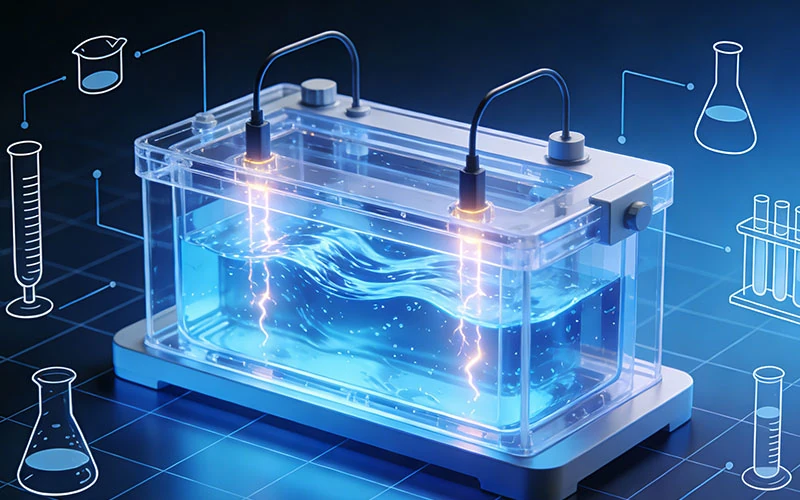
An electrophoresis tank is a core device used to hold electrophoresis buffer and samples in electrophoresis experiments. Its design and performance directly affect the accuracy and reproducibility

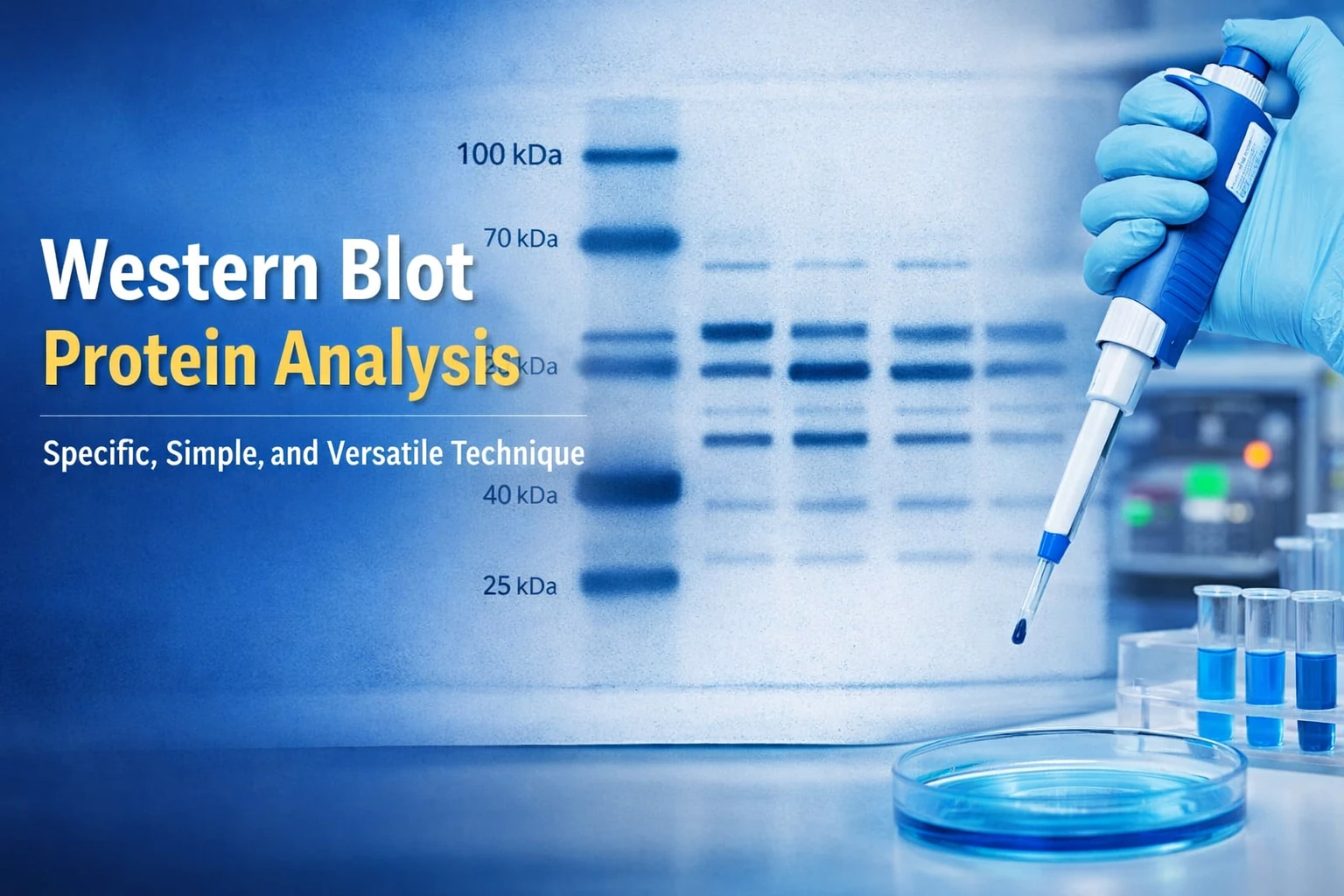
Western blot remains a routine but highly sensitive technique in many life science laboratories. Although the procedure is well established, many researchers still encounter variability between experiments, even when following the same protocol. Differences in temperature control, buffer stability, and transfer uniformity often lead to inconsistent band quality and repeated optimization.
These challenges have made laboratories focus more on western blot transfer systems‘ actual performance, rather than theoretical expectations. As sample volumes increase across academic research centers, pharmaceutical development units, and clinical testing environments, the demand for stable and reproducible protein transfer tools continues to rise.
Industry reports indicate that the protein analysis field is experiencing steady growth, supported by expanding biomedical research investment and diagnostic applications (Grand View Research, Western Blotting Market Report, 2024). Under these conditions, efficiency alone is no longer sufficient. Experimental consistency, temperature stability, and operational reliability have become equally important evaluation factors.
The Fast Wet Blotter WIX-coolBLOT meets these requirements through an integrated Transfer System design that maintains controlled, stable conditions throughout protein transfer workflows.
What Is Fast Wet Blotter WIX-coolBLOT?
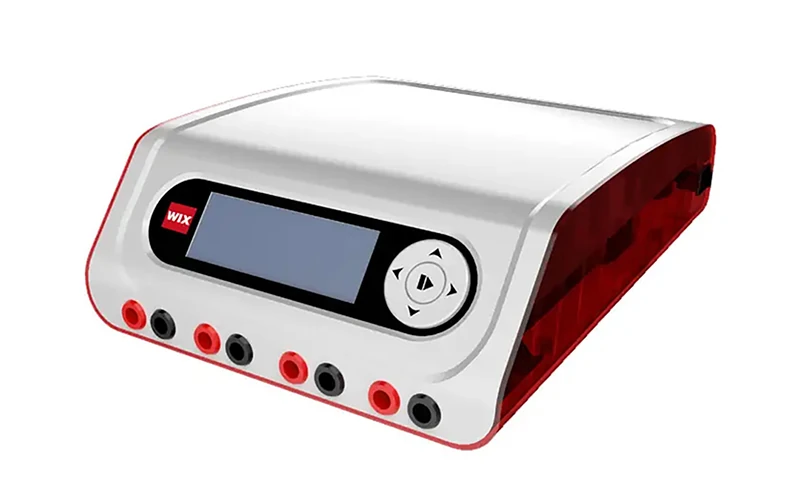
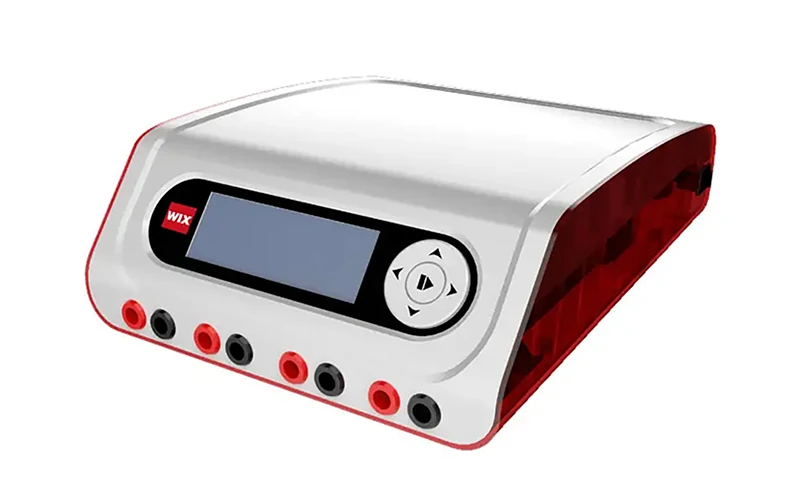
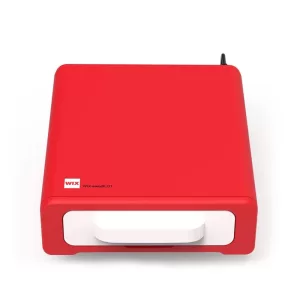
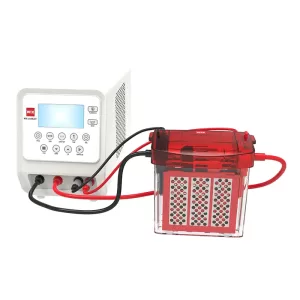
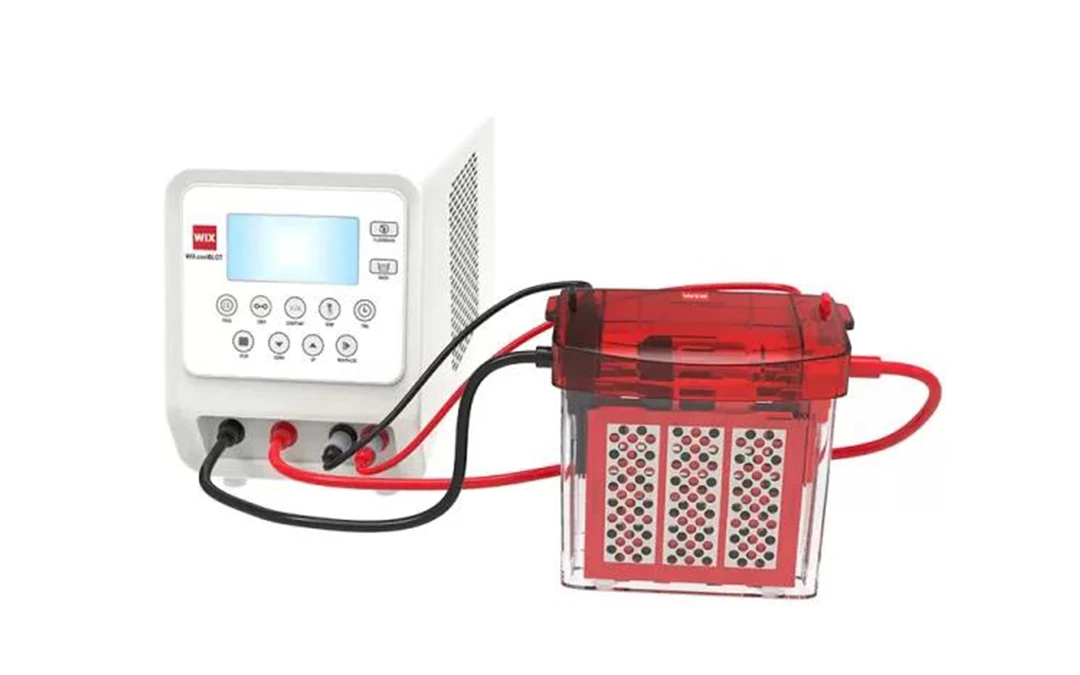
The Fast Wet Blotter WIX-coolBLOT is a laboratory instrument designed for protein transfer processes in western blot experiments. It integrates the part of power supply and a thermostatic circulation mechanism to maintain stable buffer conditions throughout the transfer process. The power supply can work separately to drive electrophoresis tanks.
Unlike conventional instruments that require separate cooling units, this system continuously circulates buffer internally to reduce temperature rise during operation. This structural integration helps maintain consistent experimental conditions and reduces variability caused by overheating.
The system supports both protein electrophoresis and nucleic acid electrophoresis, while also allowing multiple gel transfers in a controlled environment.
Temperature control directly affects protein integrity during experimental procedures involving western blot transfer systems. When electrical current passes through buffer solutions, heat is generated, which can influence protein mobility and binding efficiency.
Scientific studies have shown that uncontrolled temperature fluctuations may lead to reduced transfer consistency and altered protein band quality(source:National Center for Biotechnology Information, Protein Transfer Optimization Study, 2020).
The Fast Wet Blotter WIX-coolBLOT addresses this challenge by continuously cycling buffer through a thermostatic system. This approach helps stabilize internal conditions and reduces the likelihood of experiment failure caused by overheating.
One of the most significant differences lies in its integrated architecture. The system combines power output and thermal regulation as a fast transfer system, reducing the need for external supporting devices.
In traditional setups, researchers often rely on separate cooling equipment, which increases operational complexity and setup time. In contrast, this system simplifies workflow by maintaining buffer circulation internally while providing stable electrical output.
A comparative overview of key characteristics is shown below:
| Feature | Conventional System | WIX-coolBLOT |
| Cooling approach | External cooling required | Built-in thermostatic circulation |
| System integration | Separated components | Integrated system |
| Temperature fluctuation | More frequent | Reduced |
| Setup complexity | Higher | Lower |
This integrated approach supports more consistent experimental performance in routine laboratory use.
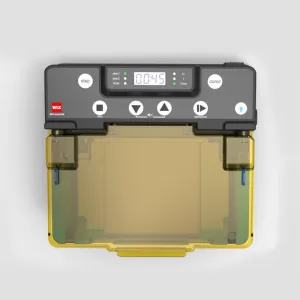
In many research environments, experiments require simultaneous handling of multiple protein samples. The Fast Wet Blotter WIX-coolBLOT is designed to transfer up to four gels at the same time, with each gel placed in an independent chamber.
Each chamber operates under its own electrical monitoring channel, allowing researchers to observe transfer conditions separately. This reduces the risk of cross-interference between samples and supports more stable experimental outcomes.
Independent monitoring also helps laboratories identify abnormal transfer behavior earlier, which can improve overall reproducibility in protein analysis workflows.
During protein electrophoresis procedures, operational consistency is essential. The system includes an automatic mode-switching function that transitions from spacer gel operation to separation gel operation without additional manual configuration.
This reduces repetitive setup steps and minimizes variation caused by human adjustment. In routine laboratory environments, such automation contributes to more standardized experimental conditions and improved workflow efficiency.
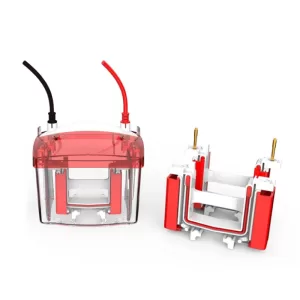
Incorrect electrode placement is a frequent issue in protein transfer experiments. To address this, the system uses a color-coded design for positive and negative transfer clips.
This visual differentiation helps reduce the risk of reverse loading, which can otherwise lead to failed experiments or inconsistent results. In multi-sample environments, such design details contribute significantly to operational reliability.
The system is designed with performance stability and laboratory practicality in mind. Its main technical parameters include:
These specifications reflect its focus on stable performance and controlled experimental conditions.
Academic research institutions remain the primary users of Western blot transfer systems, particularly departments focused on life sciences, basic medicine, and agricultural research. These environments require consistent protein analysis tools for both teaching and experimental purposes.
Pharmaceutical and biotechnology companies also rely heavily on protein transfer systems for drug development, antibody validation, and biomarker research. As biologics and precision medicine continue to expand, demand for reliable experimental platforms has increased significantly.
Hospitals and diagnostic laboratories use protein detection methods in clinical research and pathological studies, while third-party testing organizations depend on stable systems to ensure reproducible results.
In addition, specialized fields such as food safety testing, forensic identification, and anti-doping analysis also incorporate protein transfer technologies into their workflows.
Efficiency in laboratory environments is often determined by how well equipment reduces manual intervention and improves throughput. The Fast Wet Blotter WIX-coolBLOT supports rapid transfer cycles, with typical completion times within twenty minutes depending on experimental conditions.
By integrating power control and thermal regulation into a single platform, the system reduces the need for additional external devices. This helps streamline laboratory setup and reduces operational preparation time.
Independent monitoring of each gel further enhances experimental control, allowing researchers to observe variations in real time and maintain higher consistency across multiple samples.
The system is manufactured under internationally recognized quality standards. It holds CE certification and ISO 9001 certification, indicating compliance with established quality management requirements and safety standards in laboratory equipment manufacturing.
These certifications reflect a controlled production process and structured quality assurance system.
Q:How many gels can the system process at the same time?
A:The system supports simultaneous processing of up to four gels, which allows laboratories to increase experimental throughput without changing standard workflows while maintaining independent monitoring for each sample channel.
Q:What is the maximum transfer size supported?
A:The maximum supported transfer size is 82 × 92 mm, which is suitable for most standard laboratory gel formats used in routine protein analysis applications and ensures compatibility with common experimental setups.
Q:How long does a typical transfer take?
A:Under standard operating conditions, a typical transfer can be completed within approximately 20 minutes, depending on experimental parameters such as voltage settings, buffer conditions, and sample composition.
Q:Is OEM cooperation available?
A:Both distributor cooperation and OEM collaboration are supported, and the system has been applied in long-term partnerships with various laboratory equipment providers to meet customized production and branding requirements.
Q:What transportation options are recommended?
A:For small orders, express delivery services such as FedEx, DHL, or UPS are commonly used due to their speed and tracking convenience, while for larger or time-sensitive batch shipments, air and land transportation are recommended, and sea freight is generally selected for non-urgent bulk deliveries to balance cost efficiency.
As molecular biology research continues to evolve, laboratories require more stable and efficient tools for protein analysis. The Fast Wet Blotter WIX-coolBLOT represents a structured approach to improving experimental consistency in Western blot transfer systems through integrated temperature control, multi-gel processing capability, and simplified operational design.
Its role in modern laboratories reflects a broader shift toward more automated and reliable experimental platforms, particularly in environments where reproducibility and efficiency are essential.