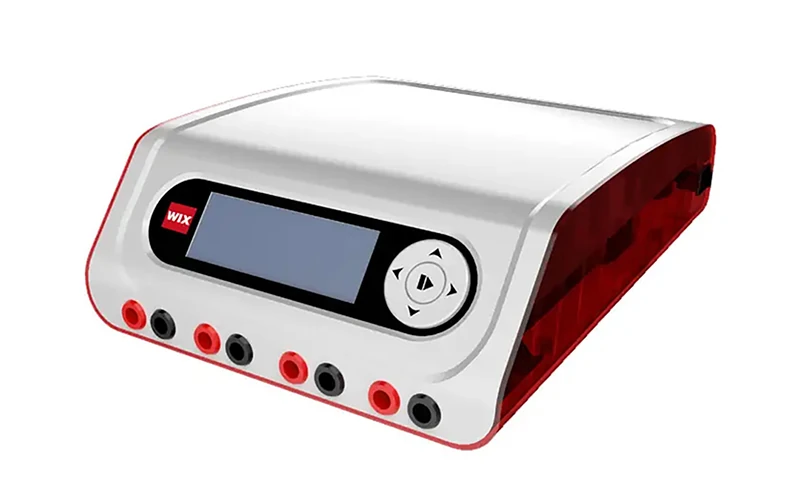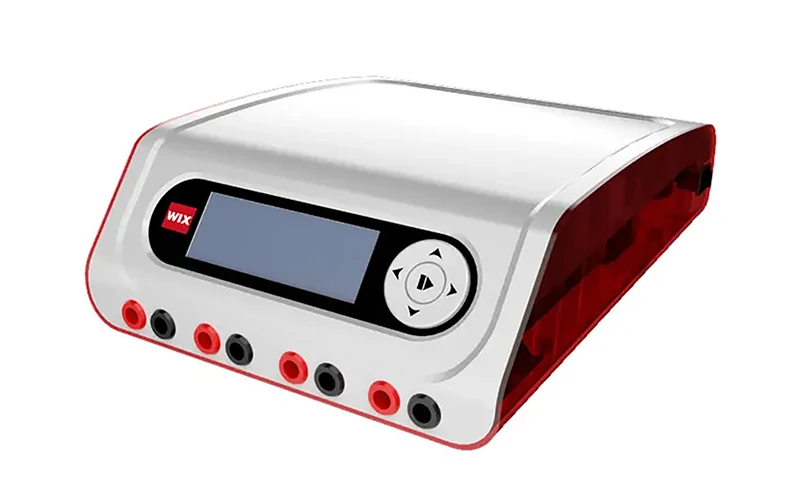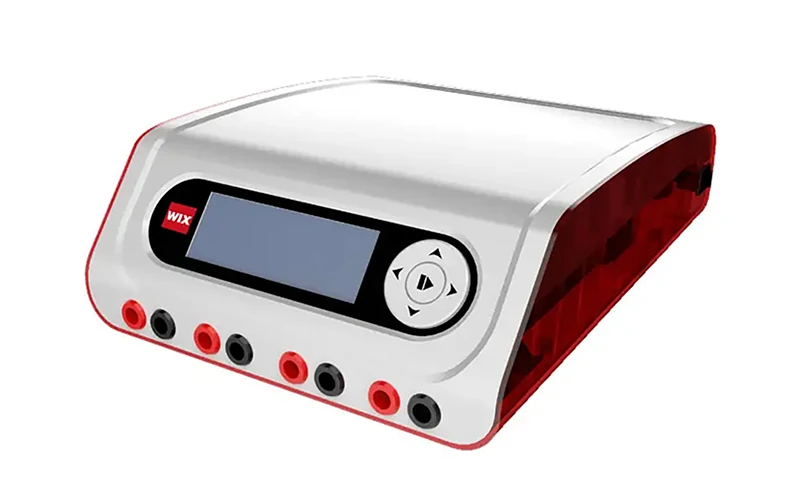

Do You Have Interest in Electrophoresis Tanks?
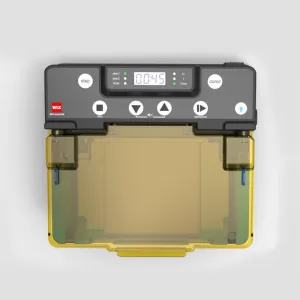
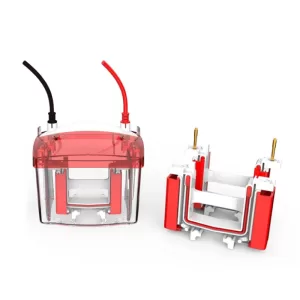
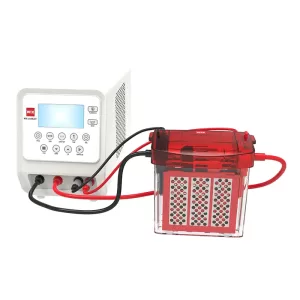
An electrophoresis tank is a core device used to hold electrophoresis buffer and samples in electrophoresis experiments. Its design and performance directly affect the accuracy and reproducibility

Selecting a circular shaker for laboratory use is not simply about choosing a model with the highest speed or the largest load capacity. Different experiments may require different shaking conditions, and the most suitable configuration depends on how well the shaker matches the sample, container, and workflow.
A circular shaker is widely used for laboratory mixing and agitation, but different applications can require different combinations of orbital movement, speed range, load capacity, and fixture compatibility. Choosing an unsuitable configuration may result in unstable operation or limitations during experiments, while unnecessary specifications may increase equipment costs without providing practical benefits.
For laboratories, universities, research centers, and quality-control facilities, understanding how key specifications affect shaking performance is essential before making a purchase decision. This guide explains how to evaluate circular shaker specifications and select a configuration that matches your laboratory requirements.
A circular shaker, also known as an orbital shaker, moves its platform in a continuous circular path while keeping the platform itself level. This orbital motion agitates samples placed on the platform and is widely used for laboratory mixing and shaking applications. Depending on the platform and fixtures, flasks, tubes, plates, bottles, and other laboratory vessels can be accommodated.
During operation, the vessel follows the circular movement of the platform, causing continuous movement within the sample. The resulting mixing behavior depends on the combination of shaking speed and orbital diameter rather than either parameter alone. For example, a shaker with a 20 mm orbit at 150 rpm follows a larger circular path than a shaker with a 10 mm orbit at the same speed. This difference can affect how samples move and mix inside laboratory vessels.
Container type and size also matter. Different vessels may respond differently to the same shaking conditions and may require different attachment systems.
Circular shakers are commonly used for applications such as cell culture, bacterial culture, solubility studies, general mixing, extraction, washing, and staining. Depending on the platform and fixtures, a laboratory orbital shaker can accommodate flasks, microplates, centrifuge tubes, or other vessels.
Because different applications require different agitation conditions, a shaker should be selected based on the experimental workflow rather than on speed or load capacity alone.
When comparing circular shakers, several specifications should be evaluated together rather than focusing on a single headline figure. The most important factors include speed range, orbital diameter, maximum load capacity, timer and operation mode, platform and fixtures, and display and control functions. Each specification addresses a different part of the laboratory workflow and can affect whether a shaker is suitable for the intended application.
Speed, measured in revolutions per minute (rpm), indicates how quickly the shaker platform completes its orbital movement. The useful speed range should cover the operating conditions required by the experiment, so both the minimum and maximum rpm are important.
For example, if an application requires operation at 40–60 rpm, a shaker with a minimum speed of 100 rpm would not provide the required range. On the other hand, a very high maximum speed may offer little practical value when the experiment only requires relatively low-speed agitation. The goal is to choose a speed range that provides the required operating flexibility.
Orbital diameter refers to the size of the circular path followed by the shaker platform during operation. A larger orbit creates a wider movement path, while a smaller orbit produces a tighter circular motion.
The appropriate orbital diameter depends on the sample type, vessel size, and required mixing conditions. When selecting a circular shaker, consider whether the available orbit is suitable for the containers and experimental procedures used in your laboratory.
Maximum load capacity indicates the total weight the shaker is designed to support during operation. Depending on the manufacturer’s specification, this may include the fixtures or attachments used on the platform.
When estimating the required capacity, consider the complete operating setup rather than the empty vessels alone. For example, if several 1 L flasks are placed on the platform, the total load includes the flasks, their contents, and any clamps or holders. The selected shaker should have sufficient capacity for the actual configuration.
Timer and operation mode determine how the shaking cycle is controlled. A timed mode is useful when an experiment requires a defined shaking period, while continuous operation is suitable when the shaker needs to run until it is manually stopped.
When comparing models, check both the available operation modes and the timer range. The selected configuration should support the duration and operating pattern required by the laboratory procedure.
The platform and fixture system determine what types of vessels can be securely positioned during shaking. Different laboratory containers may require different brackets, clamps, or other attachments.
Before selecting a shaker, confirm that the available fixtures match the container type, size, and arrangement used in the experiment. Fixture compatibility is particularly important when multiple vessels need to be operated simultaneously.
Display and control functions affect how easily users can set and monitor the shaking process. Digital displays can provide a clear indication of parameters such as speed and operating time, while some laboratory shakers also include communication interfaces for data access or external equipment integration.
These functions should be evaluated according to the laboratory workflow. A basic application may only require clear local control and monitoring, while a more connected workflow may benefit from additional communication capabilities.
The effect of a circular shaker cannot be judged from speed or orbital diameter alone. These two specifications work together, and changing their combination changes the characteristics of the platform’s orbital movement.
Consider two shakers operating at 150 rpm. If one has a 10 mm orbital diameter and the other has a 20 mm orbit, both complete the same number of cycles per minute, but the platform follows different-sized circular paths.
The result is that the sample is exposed to different orbital movement patterns even though the displayed speed is identical. This is why rpm alone does not provide a complete picture of shaking performance.
The appropriate combination depends on the sample and experimental setup. A change in speed or orbital diameter can alter the movement experienced by the sample, but the actual response also depends on factors such as vessel geometry, liquid volume, sample characteristics, and fixture configuration.
For this reason, a higher speed or larger orbit should not automatically be treated as better performance. The useful combination is the one that provides the required shaking conditions for the specific application.
When comparing circular shakers, consider speed range and orbital diameter as a combined specification. A shaker with a smaller orbit and higher speed may provide a different movement pattern from one with a larger orbit and lower speed, even when both can perform the same general type of shaking.
The final selection should therefore be based on the required movement and the complete experimental setup rather than on maximum rpm or orbital diameter alone.
The WIX-SKO180 NC Circular Shaker and WIX-SKO330 NC Circular Shaker are two circular shaker configurations with different combinations of orbital diameter, speed range and load capacity. Comparing these specifications can help determine which model matches your laboratory workflow.
The WIX-SKO180 NC Circular Shaker has a 20 mm orbital diameter and a speed range of 40–200 rpm, with a maximum load of 3 kg including fixtures. This combination is suitable for low-speed, gentle mixing where a wider orbit is preferred and the total load is relatively light.
It supports timed and continuous operation, with a timer range of 1 minute to 19 hours 59 minutes and separate LCD displays for speed and time.
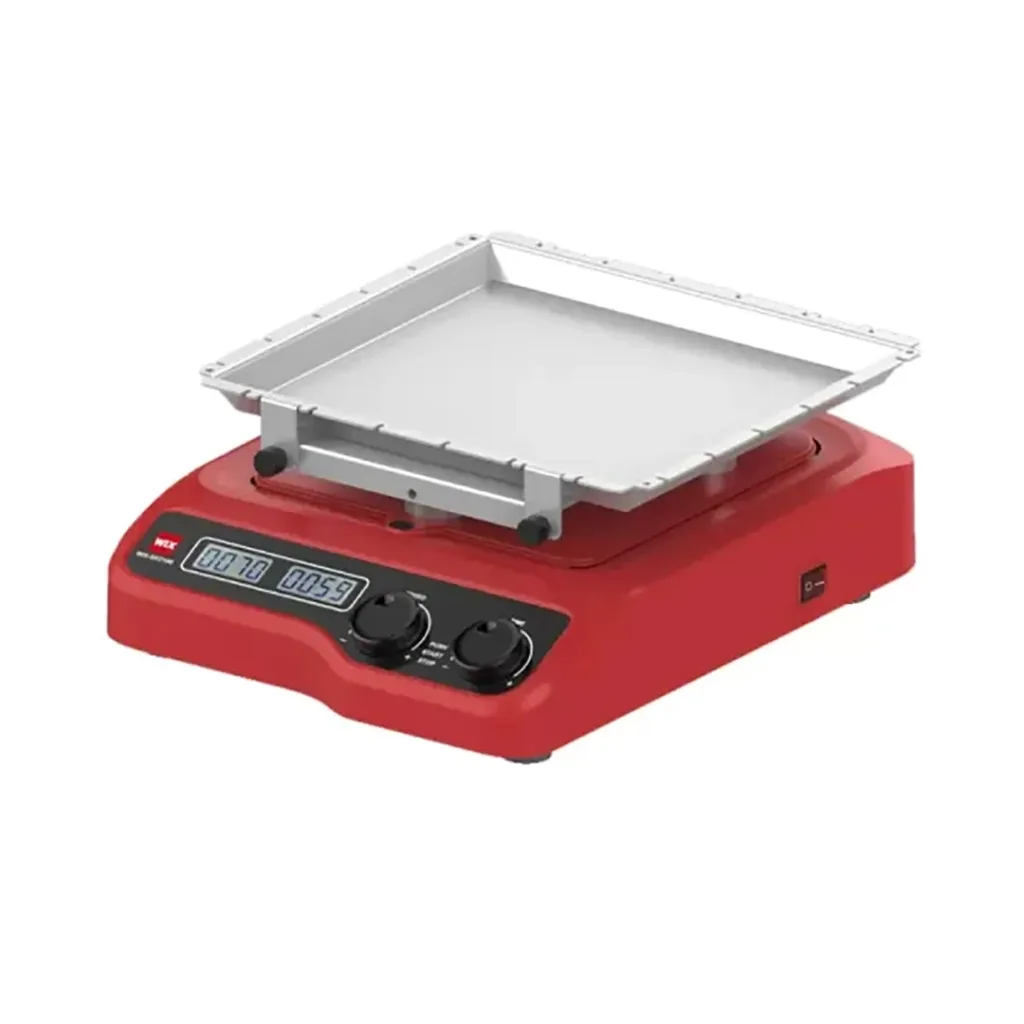
The WIX-SKO330 NC Circular Shaker has a 10 mm orbital diameter, a wider speed range of 100–500 rpm, and a higher maximum load of 7.5 kg including fixtures.
This configuration is better suited to applications that require higher-speed operation or a higher load capacity.
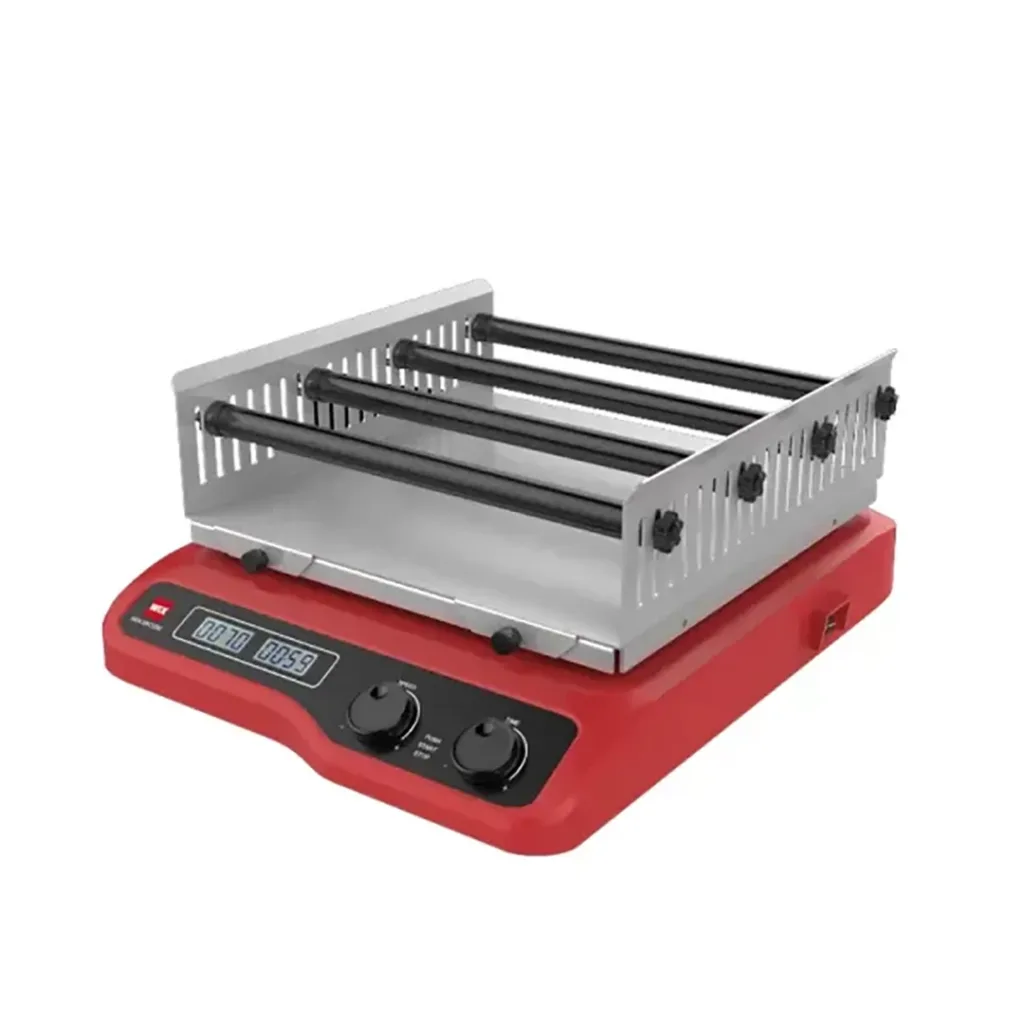
| Specification | WIX-SKO180 NC Circular Shaker | WIX-SKO330 NC Circular Shaker |
| Orbital diameter | 20 mm | 10 mm |
| Maximum load | 3 kg | 7.5 kg |
| Speed range | 40–200 rpm | 100–500 rpm |
| Operation | Timed / Continuous | Timed / Continuous |
| Timer | 1 min–19 h 59 min | 1 min–19 h 59 min |
| Display | Dual LCD | Dual LCD |
| Power | 20 W | 20 W |
| Voltage | 100–240 V, 50/60 Hz | 100–240 V, 50/60 Hz |
| Best for | Low-speed, wider orbit, light load | High-speed, smaller orbit, heavier load |
Choose the WIX-SKO180 NC Circular Shaker if your workflow requires gentle to moderate mixing at lower speeds, a 20 mm orbit, and a total load below 3 kg.
Choose the WIX-SKO330 NC Circular Shaker if you need faster agitation and a higher load capacity up to 7.5 kg.
If you are unsure which model is right for your application, contact our team for a quick recommendation or view the full product specifications.
After comparing the key specifications and available models, the final step is to check whether the shaker fits your actual laboratory setup. A practical selection should consider the sample and vessels, required operating conditions, fixture compatibility, and basic equipment requirements.
Start with the vessels used in your experiment, including their size, quantity, and arrangement on the platform. Ensure the available platform and fixtures can hold them securely during operation. When estimating the total load, include the weight of the containers, samples, and any brackets or fixtures used on the platform.
Identify the normal working speed, orbital diameter, load, and operating time required by your procedure. Then check that the selected shaker provides an appropriate combination of these specifications. Also confirm whether your workflow requires timed operation, continuous operation, or both.
Before purchase, verify that the required brackets and fixtures are available for your vessels. It is also important to check the equipment’s dimensions, weight, voltage, and specified working environment to ensure that it fits your laboratory setup. If your workflow requires communication or data access, confirm that the selected configuration provides the necessary interface.
A: When choosing a circular shaker, consider key specifications such as speed range, orbital diameter, maximum load capacity, operation mode, and fixture compatibility. The right choice depends on your sample type, container setup, and laboratory workflow.
A: The suitable speed depends on the sample type, container, and required mixing intensity. Instead of choosing the highest rpm, select a circular shaker with a speed range that covers your actual experimental requirements.
A: Orbital diameter determines the size of the circular movement made by the shaker platform. A larger or smaller orbit can produce different sample movement patterns, so the orbital diameter should be selected based on the vessel type, sample characteristics, and mixing requirements.
Choosing a circular shaker requires more than comparing individual specifications. A suitable model should match the actual requirements of the experiment, including the type of vessel, expected shaking conditions, operating load, and workflow needs.
Before making a decision, laboratories should first define the required shaking range and sample setup, and then evaluate whether the shaker’s configuration can support those requirements. Factors such as orbital movement, speed range, load capacity, fixture compatibility, and control functions should be considered together rather than separately.
The WIX-SKO180 NC Circular Shaker and WIX-SKO330 NC Circular Shaker show how different circular shaker configurations can meet different laboratory needs. By selecting a model based on the complete application requirements instead of a single specification, users can achieve more reliable and consistent shaking performance for their experiments.