
Do You Have Interest in Electrophoresis Tanks?
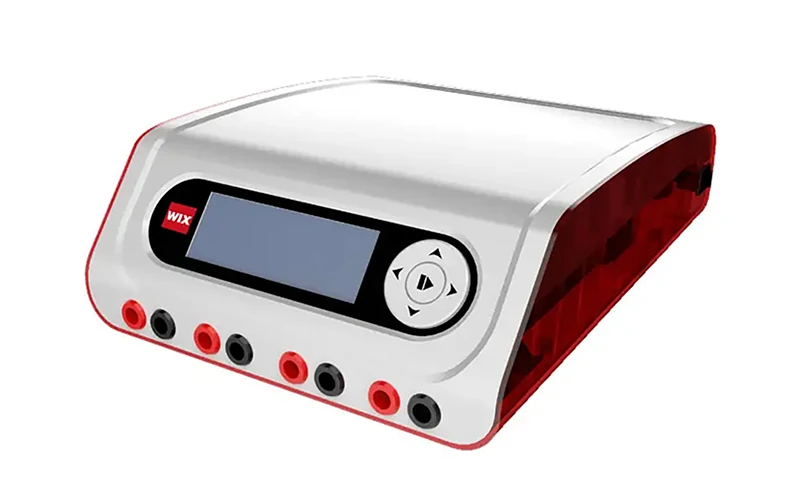
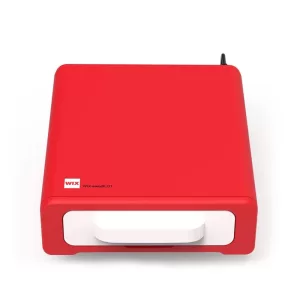
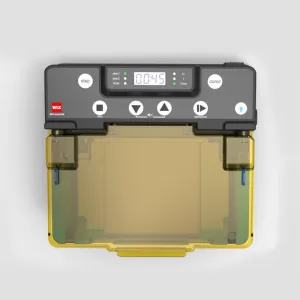
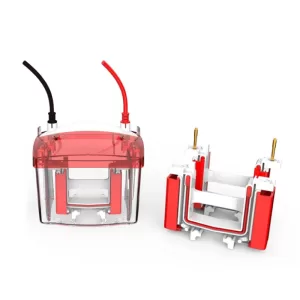
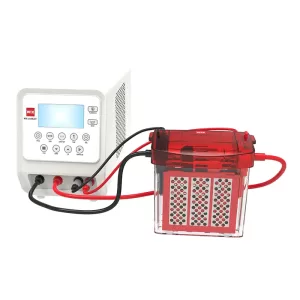
An electrophoresis tank is a core device used to hold electrophoresis buffer and samples in electrophoresis experiments. Its design and performance directly affect the accuracy and reproducibility

Even minor variations in tissue preparation can affect the reliability of downstream experiments. Differences in grinding time, applied force, and sample handling techniques among researchers may influence homogenization consistency, resulting in variations in protein extraction, DNA/RNA extraction, and Western blot analysis.
Many laboratories still rely on manual tissue grinding for small-scale experiments. However, as research projects expand and the number of samples increases, manual processing can become time-consuming, labor-intensive, and difficult to standardize. Automated tissue grinders help laboratories process more samples while improving consistency and reducing manual effort.
When selecting a tissue grinder, laboratories need to evaluate several factors beyond whether a system is manual or automated. Daily sample volume, processing speed, sample consistency, temperature control, and workflow requirements all influence the choice of an appropriate solution.
Understanding these differences can help researchers choose the right tissue grinder for their specific laboratory applications.
A tissue grinder is a laboratory instrument used to mechanically disrupt biological tissues and prepare a uniform tissue homogenate for further analysis. During the homogenization process, mechanical force breaks down tissue structures and helps release biomolecules such as proteins, nucleic acids, and other cellular components for downstream extraction and testing.
Tissue homogenization is a critical step in many life science workflows, including protein extraction for Western blotting, DNA/RNA extraction, and other molecular biology and biomedical research applications. The quality and consistency of tissue disruption can directly influence sample quality, experimental reproducibility, and the reliability of downstream results.
Because biological samples can vary in size, structure, and processing requirements, selecting an appropriate tissue preparation method is important for achieving consistent and efficient homogenization in laboratory workflows.
Both manual and automated tissue grinders are used for biological sample preparation, but they differ in operating methods, processing efficiency, and consistency.
How efficiently a laboratory can process a batch of samples is one of the main differences between manual and automated tissue grinders.
Manual tissue grinders require researchers to handle each sample individually and control factors such as grinding force, grinding time, and degree of homogenization. For laboratories working with only a few samples at a time, this approach provides direct control over the preparation process and can be suitable for small-scale experiments.
However, as the number of samples increases, manual processing can become more time-consuming because each sample requires separate handling. Automated tissue grinders use automated mechanisms to perform homogenization with less manual involvement. They allow multiple samples to be processed in parallel, making them more suitable for laboratories that need higher throughput and a more standardized workflow.
Consistency is another key factor when selecting a tissue homogenization tool.
With manual grinding, subtle differences in applied force, grinding time, and handling techniques between operators can influence homogenization quality. For example, two researchers using the same manual grinder may achieve different levels of tissue disruption due to variations in operating technique.
Automated tissue grinders help reduce variation caused by differences in operator technique by providing more standardized processing conditions. By controlling key operating parameters, automated systems can support more consistent sample preparation across repeated experiments.
However, manual tissue grinding can still be suitable for applications where researchers need direct control over the process or only need to prepare a limited number of samples.
During tissue grinding, mechanical movement can generate heat, which may affect temperature-sensitive biological samples such as proteins, enzymes, and nucleic acids.
With manual grinding methods, researchers typically control heat generation by limiting grinding time, avoiding excessive continuous operation, and following appropriate sample handling practices.
Some automated tissue grinders use intermittent operation modes to reduce continuous mechanical activity and help minimize heat accumulation during operation. This approach can help maintain more stable sample conditions during repeated homogenization procedures.
Processing efficiency, sample consistency, and temperature management are key factors when choosing between manual and automated tissue grinders. Understanding these differences helps laboratories select a tissue grinding method that best fits their workflow requirements.
Choosing the right tissue grinder depends on your sample preparation needs and laboratory workflow. Rather than focusing on individual specifications alone, laboratories should evaluate factors such as sample throughput, consistency requirements, and sample sensitivity to determine the most suitable tissue grinding method.
The number of samples a laboratory processes on a regular basis is often one of the first factors to evaluate when choosing between manual and automated tissue grinding methods.
For laboratories processing a small number of samples at a time, manual tissue grinders may provide sufficient flexibility and direct control over the homogenization process. They can be suitable for small-scale workflows where processing speed and automation are less critical factors.
However, laboratories handling dozens of samples or performing routine batch processing may benefit from automated tissue grinders. Automated systems can reduce repetitive manual operations and improve workflow efficiency when higher sample throughput is required.
Sample consistency is another key factor, especially when downstream analysis requires repeatable preparation conditions.
If downstream results are sensitive to variations in sample preparation, reducing differences caused by operator technique becomes increasingly important. Automated tissue grinders can help standardize processing parameters and help achieve more consistent sample preparation across repeated experiments.
However, sample volume alone should not determine the choice. A laboratory processing a relatively small number of samples may still require an automated solution if consistency and repeatability are critical.
Sample characteristics should also influence equipment selection, particularly when working with temperature-sensitive biological materials.
Mechanical grinding can generate heat during operation, which may affect sensitive components such as proteins, enzymes, and nucleic acids. Laboratories should consider how different tissue grinding methods manage heat generation and maintain suitable sample conditions.
When temperature control is a major concern, selection factors may include intermittent operation modes and other temperature management features designed to reduce heat accumulation during processing.
Beyond immediate sample preparation needs, laboratories should also consider long-term requirements when selecting a tissue grinder.
For automated systems, equipment reliability, technical support, and service availability can be particularly important because these instruments involve electronic controls and mechanical components. Laboratories should also consider whether the selected tissue grinder can support future changes in sample volume and workflow demands.
Universities and research centers commonly use tissue grinders for molecular biology, biomedical studies, agricultural research, and other laboratory investigations.
In many academic research settings, laboratories may work with relatively small sample batches and require flexibility during experimental procedures. Manual tissue grinders can provide direct control over the preparation process, while automated systems may become more valuable when researchers need repeatable sample processing across multiple experiments.
Pharmaceutical and biotechnology companies often use tissue homogenization equipment as part of structured research and development workflows, including biological sample preparation, protein-related studies, and drug research.
These applications usually place greater emphasis on processing consistency, workflow standardization, and efficient handling of repeated sample preparation tasks. Automated tissue grinding solutions can help reduce operator-related variation and support more consistent results during routine laboratory workflows.
Clinical laboratories, pathology departments, and third-party testing laboratories may use tissue grinding equipment for biological sample preparation before analysis.
Because diagnostic workflows often require reliable and standardized processing, factors such as sample consistency, processing efficiency, and operational repeatability are important considerations. For laboratories handling higher sample volumes, automated systems may provide advantages by reducing manual steps and improving workflow efficiency.
Beyond biomedical research, tissue grinders may also support specialized applications such as food safety testing and forensic analysis.
In forensic workflows, samples may be limited or difficult to replace, making controlled sample handling and preparation consistency particularly important. In contrast, food safety laboratories may process larger numbers of samples and may place greater emphasis on throughput and efficient batch processing.
When selecting a tissue grinder, laboratories typically consider factors such as sample throughput, preparation consistency, and temperature management. WIX TECHNOLOGY Tissue Grinders are designed to meet these needs by providing automated systems for reliable and consistent tissue homogenization.
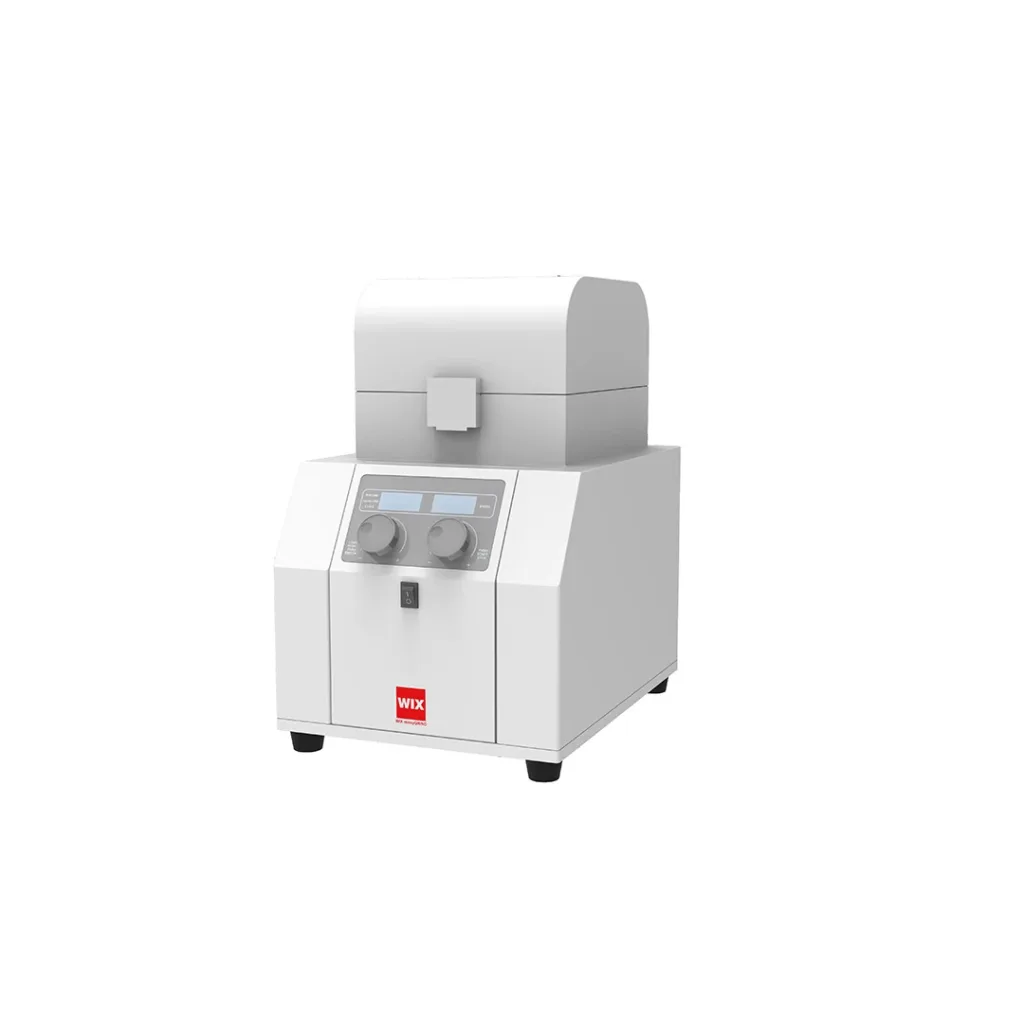
WIX TECHNOLOGY Tissue Grinders are available in different models to support various laboratory sample processing requirements:
| Model | Sample Capacity | Processing Time | Key Features |
| WIX-3dGRIND 3-Dimension Tissue Grinder | 12 × 2 ml samples | Within 30 seconds | High-speed processing for multiple samples |
| WIX-manyGRIND Tissue Grinder | 24 × (0.2–0.5 ml) samples or 24 × 2 ml samples | Within 3 minutes | Suitable for batch sample preparation with different sample volumes |
Both models use an intermittent operation mode to help reduce heat accumulation during tissue homogenization and maintain more stable sample conditions. The simple knob-based control system allows researchers to operate the equipment easily during routine sample preparation.
For laboratory purchasing decisions, WIX TECHNOLOGY Tissue Grinders are CE-certified and manufactured under an ISO 9001 quality management system, supporting quality and reliability requirements for laboratory use.
A: A manual tissue grinder requires researchers to control the grinding process by hand, while an automated tissue grinder uses a motor-driven mechanism to standardize sample processing. Automated systems are generally more suitable for laboratories that require higher throughput and more consistent homogenization results.
A: A laboratory may consider an automated tissue grinder when it needs to process multiple samples regularly, reduce operator-related variation, or improve workflow consistency. The right choice depends on sample volume, experimental requirements, and laboratory workflow.
A: A tissue grinder helps break down biological tissues more consistently, allowing researchers to prepare more uniform samples for downstream applications such as protein extraction, DNA/RNA extraction, and Western blot analysis. Consistent homogenization can help improve experimental reproducibility.
Choosing between a manual and automated tissue grinder is ultimately about controlling variability and selecting a workflow that supports reliable experimental results.
Manual grinding may still be suitable for laboratories processing a small number of samples or requiring direct control over each preparation step. However, when sample throughput increases or experiments require highly repeatable homogenization, automated tissue grinders can help reduce operator-related differences and provide more consistent sample preparation.
Regardless of the equipment type, the goal is the same: minimizing uncontrolled variation during tissue preparation to protect the reproducibility and reliability of downstream analysis. When evaluating a tissue grinding solution, laboratories should focus on three key questions: How many samples need to be processed? How consistent do the results need to be? How sensitive are the samples to temperature changes during preparation?
If automated processing is better aligned with your laboratory workflow, WIX TECHNOLOGY provides different tissue grinder models designed for various sample processing requirements. By matching equipment capabilities with daily laboratory needs, researchers can choose a solution that supports more efficient and reliable sample preparation.