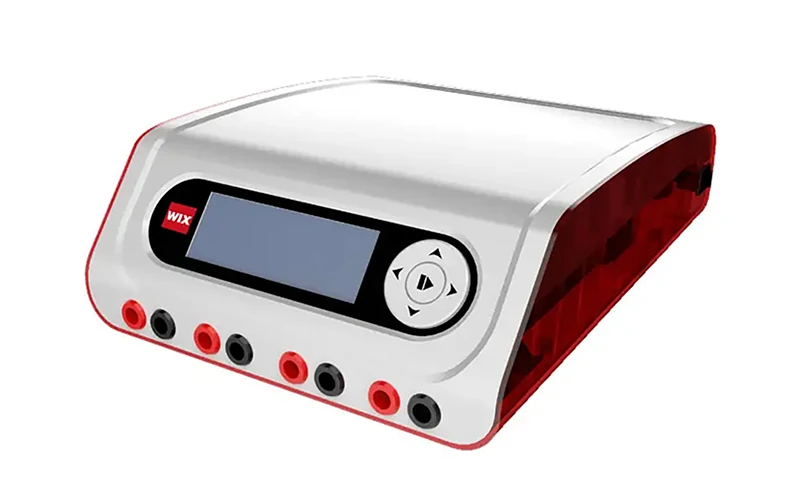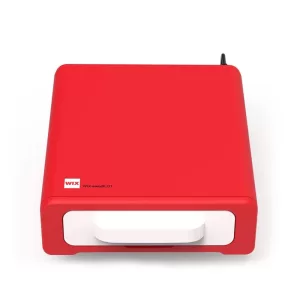
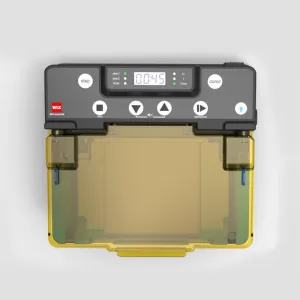
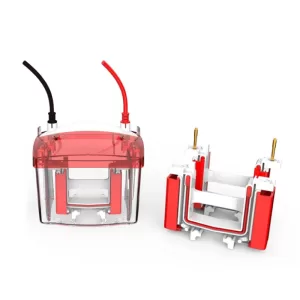
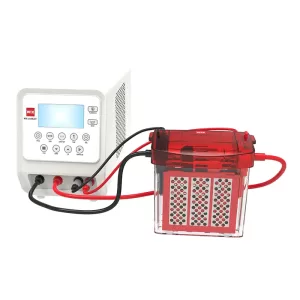

Do You Have Interest in Electrophoresis Tanks?
An electrophoresis tank is a core device used to hold electrophoresis buffer and samples in electrophoresis experiments. Its design and performance directly affect the accuracy and reproducibility

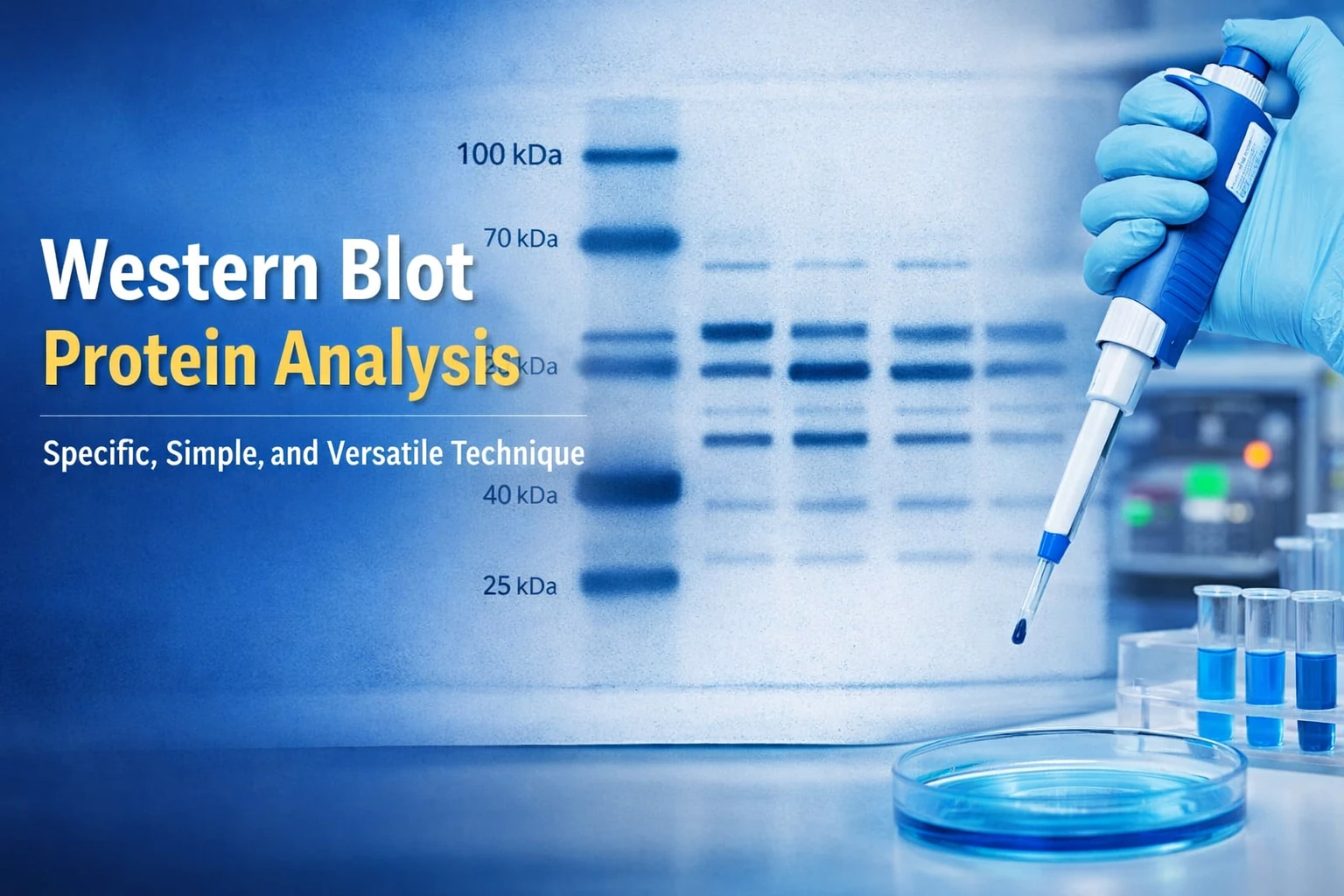
Western blot experiments often require hours—or even days—of sample preparation, electrophoresis, membrane transfer, and antibody incubation. Yet the success of the experiment ultimately depends on one critical step: image acquisition.
After the chemiluminescent substrate reacts with the target protein, the imaging system captures the emitted light and converts it into usable data. Weak protein bands, saturated signals, excessive background noise, and poor reproducibility are frequently caused by imaging limitations rather than problems with the experimental protocol itself.
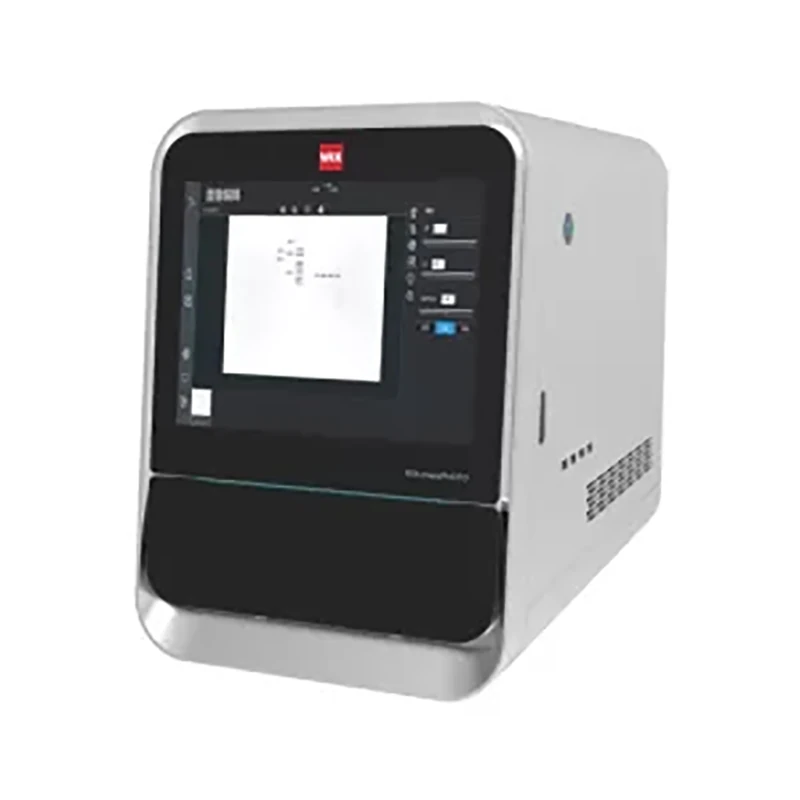
For laboratories performing routine Western blot analysis or advanced protein research, selecting the right Chemi Imaging System is essential for generating reliable, publication-quality results. Understanding the key performance factors behind image quality can help researchers choose a system that meets both current and future research requirements.
Many researchers encounter similar problems during protein detection and imaging.
Weakly expressed proteins may generate signals that are difficult to distinguish from background noise. Highly abundant proteins can become overexposed, making accurate quantification impossible. Manual exposure adjustments often require multiple imaging attempts, increasing workload and introducing inconsistencies between experiments.
These issues not only affect image quality but can also compromise data reproducibility and publication readiness. A well-designed imaging system addresses these challenges through optimized sensor performance, noise control, optical efficiency, and automated image acquisition.
The imaging sensor is the core component of any Western blot imaging system.
One of the most important specifications is quantum efficiency (QE), which measures how effectively the sensor converts incoming photons into image data. A higher QE enables more efficient detection of weak chemiluminescent signals, improving sensitivity when working with low-abundance proteins or subtle expression differences.
For researchers seeking reliable quantification and reproducible results, sensor sensitivity often has a direct impact on overall experimental performance.
Weak chemiluminescent signals can easily be obscured by thermal and electronic noise generated inside the camera sensor. This unwanted signal, known as dark current, becomes increasingly significant during long exposures.
Deep sensor cooling helps suppress dark current and improves the signal-to-noise ratio. As a result, faint protein bands become easier to detect, while image background remains cleaner and more consistent. For laboratories working near the limits of detection, cooling performance is often just as important as sensor sensitivity.
The optical system plays a critical role in chemiluminescence imaging because the emitted light levels are relatively low.
A large-aperture lens allows more light to reach the sensor, increasing sensitivity and reducing exposure time. Efficient optical design helps researchers capture weak signals more effectively while maintaining image clarity across the entire imaging area.
Western blot membranes frequently contain both strong and weak signals within the same sample.
A wide dynamic range enables the imaging system to capture these signals simultaneously without losing information from saturation or underexposure. This is particularly important for accurate densitometric analysis and protein quantification.
In addition to dynamic range, image quality depends on sensor architecture, pixel performance, and image processing capability. Together, these factors determine how accurately closely migrating protein bands can be distinguished and analyzed.
Modern laboratories require more than high image quality alone.
Complicated operating procedures, repeated manual adjustments, and dependence on external computers can reduce productivity and increase the risk of user-related errors. Features such as touchscreen operation, automated imaging workflows, integrated analysis software, and built-in computing capability can significantly improve efficiency in busy laboratory environments.
Universities and research institutes use chemiluminescence imaging systems extensively for protein expression analysis, signaling pathway research, biomarker discovery, and other molecular biology applications. Reliable imaging performance is essential for generating reproducible and publication-quality data.
Pharmaceutical companies and biotechnology organizations rely on chemiluminescence imaging systems for drug discovery, therapeutic protein characterization, process development, and quality control. Consistent imaging results are particularly important in regulated research environments where data accuracy and traceability are required.
Clinical laboratories use Western blot imaging for confirmatory testing and biomarker analysis. In these applications, sensitivity, reproducibility, and clear image documentation are critical for supporting reliable diagnostic outcomes.
Agricultural research institutions and food safety laboratories apply chemiluminescence imaging technology to detect allergens, pathogens, and genetically modified organism (GMO) markers. These applications often require dependable quantification and strong data integrity to meet research and regulatory requirements.
When comparing systems from different manufacturers, it is important to evaluate overall performance rather than focusing on a single specification.
For example, a high-QE sensor without adequate cooling may still generate excessive background noise. Likewise, a large-aperture lens cannot compensate for poor sensor sensitivity or limited dynamic range. The best results come from a balanced combination of sensor technology, cooling performance, optical design, and software functionality.
When evaluating potential systems, consider the following factors:
A system that performs consistently across all these areas is more likely to provide dependable results across a wide range of Western blot applications.
The WIX-chemiPHOTO incorporates a dual-stage TEC cooling system capable of cooling the sensor down to 35°C below ambient temperature. By significantly reducing dark current and thermal noise, the system delivers cleaner long-exposure images and improves the signal-to-noise ratio. This is particularly valuable when detecting low-abundance proteins or working near the limits of detection.
At the heart of the system is a 4/3-inch SONY IMX492 scientific-grade sensor with a peak quantum efficiency of 90%. Combined with a full well capacity of 65,000 electrons and readout noise as low as 1.2 e⁻ in high-gain mode, the sensor enables reliable detection of weak chemiluminescent signals.
The system delivers 11.7 MP resolution across a 10 × 14 cm imaging area, providing the sensitivity and spatial detail required for accurate protein quantification and publication-quality imaging.
The WIX-chemiPHOTO Chemi Imaging System is equipped with an F0.95 large-aperture lens designed to maximize light collection efficiency. By allowing more emitted light to reach the sensor, the lens helps reduce exposure times while improving signal capture.
Automatic focus and aperture adjustment further simplify operation and help maintain imaging consistency between experiments, reducing the need for manual optimization.
Unlike systems that rely on external workstations, the WIX-chemiPHOTO Chemi Imaging System features a built-in computer and a 12.1-inch capacitive touchscreen display. Researchers can perform image acquisition, visualization, and analysis directly on the instrument, creating a more streamlined workflow.
The automatic door opening and closing mechanism also helps reduce physical contact and contamination risks in shared laboratory environments, making routine operation more convenient.
The WIX-chemiPHOTO Chemi Imaging System is designed to support laboratories operating under quality management and regulatory requirements. The system holds CE certification (Certificate No. IT1440WX08111806) and ISO 9001 certification (Certificate No. 53123QZ0615R0S), providing additional confidence for pharmaceutical, clinical, and regulated research applications.
These certifications demonstrate compliance with internationally recognized standards for product quality and management systems, supporting laboratory qualification and documentation needs.
A: A Chemiluminescence Imaging System captures light emitted during enzyme-substrate reactions on Western blot membranes and converts it into digital images and quantitative protein expression data. It is widely used for protein detection, expression analysis, and research applications requiring sensitive and reproducible imaging.
A: Cooling reduces dark current and thermal noise generated within the imaging sensor. Lower noise levels improve the signal-to-noise ratio, making weak protein bands easier to detect and quantify accurately. Effective cooling becomes especially important during long-exposure imaging of low-abundance proteins.
A: The most critical factors include quantum efficiency (QE), readout noise, cooling performance, lens aperture, and dynamic range. These characteristics work together to determine overall detection sensitivity, image quality, and quantitative accuracy.
Choosing a Chemiluminescence Imaging System involves more than comparing individual specifications. Researchers should evaluate how sensor sensitivity, cooling performance, optical efficiency, dynamic range, and workflow design work together to support reliable protein detection and quantitative analysis.
For laboratories seeking high-sensitivity detection, low-noise imaging, and efficient operation, the WIX-chemiPHOTO Chemi Imaging System combines advanced sensor technology, deep cooling, optimized optics, and integrated workflow features in a single platform. By selecting a system that balances performance with usability, researchers can improve both experimental efficiency and confidence in their results.