Choosing Between Wet Transfer and Semi-Dry Blotting
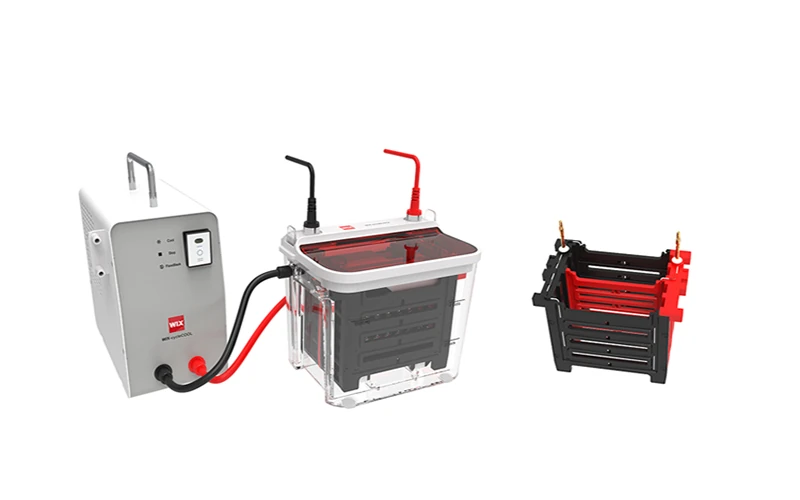
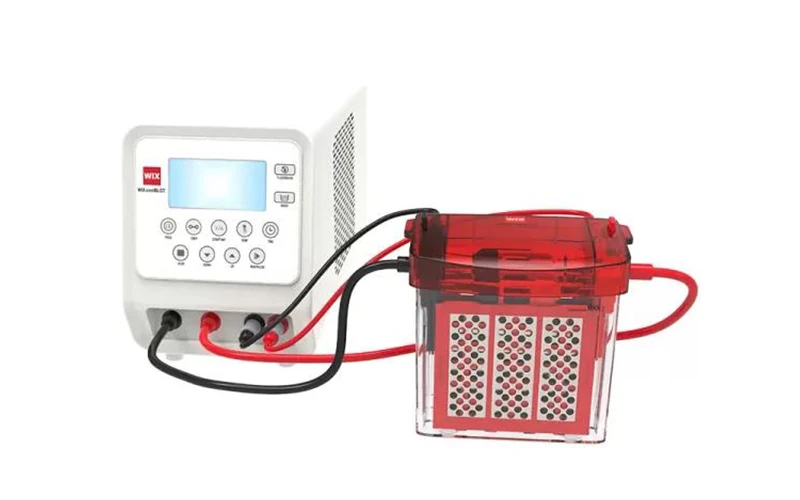
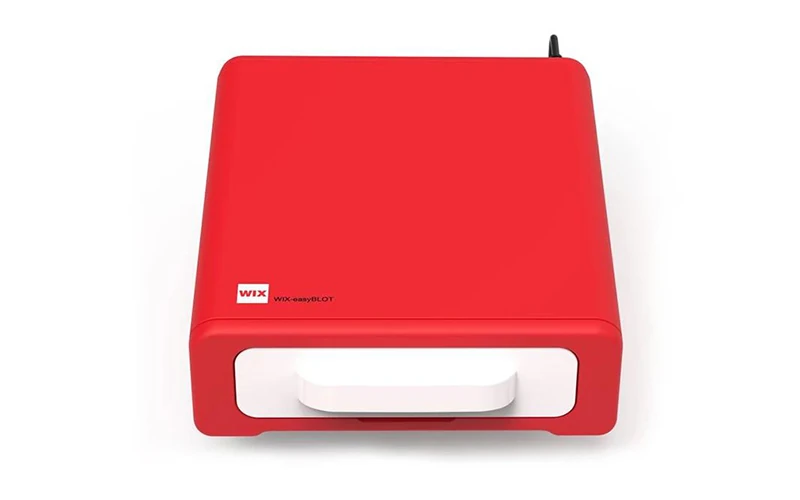
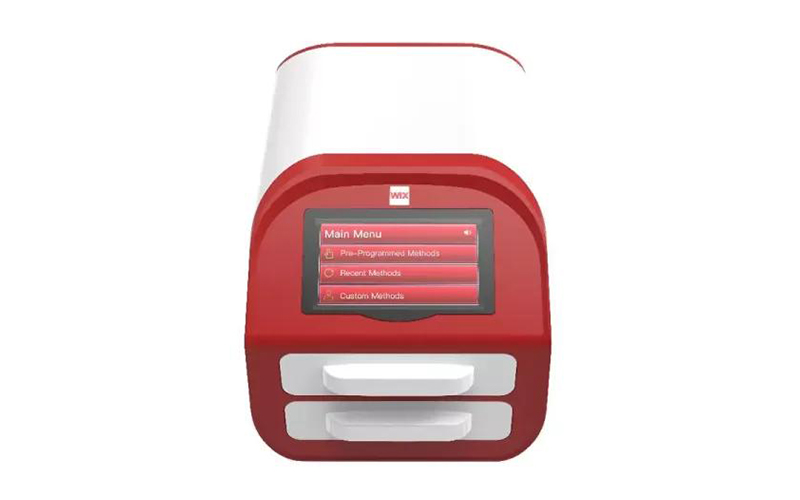
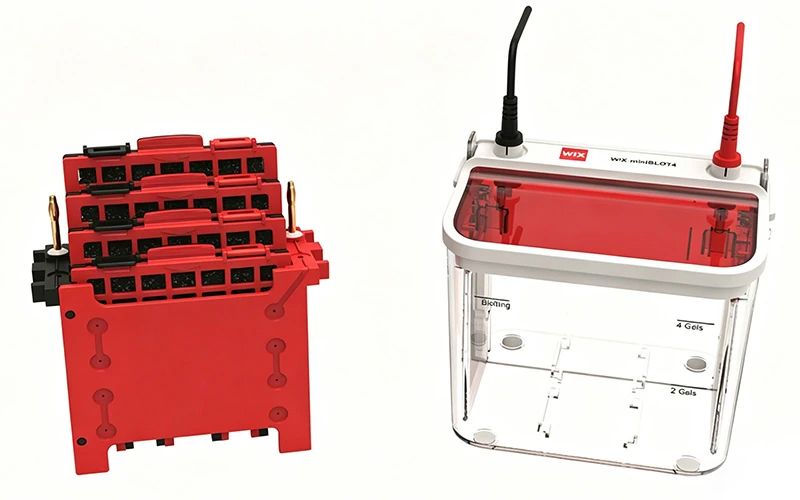
Wet transfer and semi-dry blotting solve the same problem in different ways, and picking the wrong one for your workflow usually shows up as wasted time or inconsistent results. Our WIX-coolBLOT review covers a wet transfer system that runs 1 to 4 gels at once with built-in cooling and completes a standard transfer in around 20 minutes, while our WIX-easyBLOT and WIX-fastBLOT guides cover semi-dry systems that transfer 2 mini gels in as little as 10 minutes using a thin-layer buffer design. These articles walk through the tradeoffs in transfer size, buffer volume, and setup complexity, so you can match the method to your protein size and daily sample volume.
Solving Overheating in Western Blot Transfer
Heat buildup during transfer is one of the most common causes of poor band quality, and it’s the focus of a dedicated article in this section. When current passes through the transfer buffer, resistance generates heat that can reduce transfer efficiency and cause protein diffusion, which is why temperature control matters as much as transfer speed. Our WIX-coolBLOT article explains how continuous internal buffer circulation keeps conditions stable during multi-gel runs, compared with conventional setups that rely on external ice baths or cold rooms to manage the same problem.
Automating Blocking and Incubation Beyond the Transfer Step
Transfer is only one part of a Western blot workflow, and the blocking, incubation, and washing steps that follow are just as easy to standardize or leave inconsistent. Our article on the WIX-autoPP includes a side-by-side comparison against manual room-temperature incubation under matched conditions, showing how automating these steps affects antibody binding consistency. If variability between runs has been a recurring issue in your lab, this comparison is a useful starting point before deciding whether automation is worth adding to your workflow.
Frequently Asked Questions (FAQ)
Q: Do semi-dry blotters like the WIX-easyBLOT need a separate power supply?
A: Yes. The WIX-easyBLOT does not have a built-in power supply, so it requires an external high-current power supply for optimal performance. It’s compatible with power supplies from other brands, though a dedicated high-current unit is recommended for stable transfer results.
Q: How much faster is semi-dry transfer compared to traditional wet transfer?
A: Traditional wet transfer methods typically take 60 to 90 minutes. Semi-dry systems like the WIX-fastBLOT and WIX-easyBLOT can complete a transfer of 2 mini gels in around 10 minutes, while wet transfer systems with built-in cooling like the WIX-coolBLOT complete a standard run in about 20 minutes.
Q: Does automating blocking and incubation actually improve results, or just save time?
A: Based on our comparison testing, automated incubation with the WIX-autoPP was evaluated against manual room-temperature incubation under matched conditions (200mA, 1.5-hour wet transfer). The comparison focused on consistency of antibody binding cycles rather than speed alone, since variability between manual runs is often a bigger issue than total processing time.