Do You Have Interest in Electrophoresis Tanks?
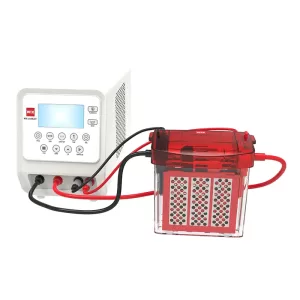
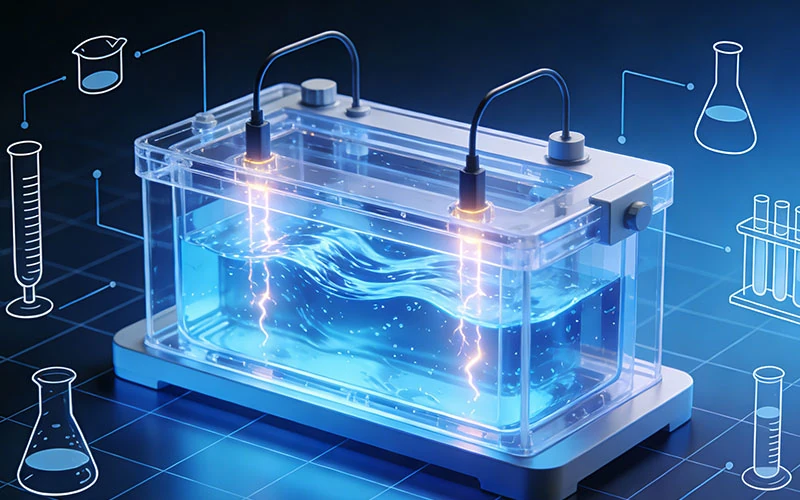
An electrophoresis tank is a core device used to hold electrophoresis buffer and samples in electrophoresis experiments. Its design and performance directly affect the accuracy and reproducibility

In a Western blot, protein separation is only the first step. After electrophoresis, proteins must be moved from the gel to a membrane before they can be detected. This transfer step requires a stable electrical supply. If the power output does not match the transfer setup, results may become less consistent.
The choice becomes more important when different transfer methods are used. Wet tank transfer is often selected when thorough protein transfer is needed. Semi-dry transfer offers a more compact setup and can shorten transfer times in many workflows. Because the two methods have different requirements, the power supply should be selected with the transfer method in mind.
So, what should you look for in a western blot transfer power supply? This guide covers the key factors that can help you choose the right option for your workflow.
After SDS-PAGE, proteins must be transferred from the gel to a membrane before detection. An electric field drives the proteins out of the gel and toward the membrane. Nitrocellulose and PVDF membranes are commonly used for this step.
Transfer conditions differ from those used during electrophoresis. Protein size also needs to be considered. Large proteins usually require more time to move out of the gel. If the conditions are too strong, small proteins may pass through the membrane. The transfer settings should therefore be chosen according to the protein size and membrane type.
Two common transfer methods are wet tank transfer and semi-dry transfer. They use different setups, so their power requirements can also vary.
In wet tank transfer, the gel and membrane are placed in a cassette. The cassette is then immersed in transfer buffer inside a tank. The buffer surrounds the transfer stack throughout the process.
This method is often used when flexible transfer conditions are needed. It can also be suitable for larger proteins that require longer transfer times. However, more transfer buffer is normally needed than with semi-dry transfer.
In semi-dry transfer, the gel and membrane are placed between buffer-soaked filter papers. The stack is then positioned between two plate electrodes. Only a small amount of buffer is required.
Because of this design, the transfer process can be completed faster in many applications. Buffer consumption is also reduced. However, the smaller buffer volume provides less cooling during operation. Therefore, transfer conditions should be set according to the equipment manufacturer’s instructions.
Wet tank transfer is often suitable when larger proteins or more flexible transfer conditions are involved. Semi-dry transfer may be a better choice when faster processing and a compact setup are preferred.
The selected transfer method also affects the power supply. Voltage and current requirements can vary between setups. Understanding these requirements makes it easier to select a suitable Western blot transfer power supply.
During Western blot transfer, proteins are moved from the gel to the membrane by an electric field. The power supply provides the electrical output needed for this process. Stable output helps maintain consistent transfer conditions.
Wet tank and semi-dry transfer use different configurations. As a result, their electrical requirements may differ.
Wet tank transfer uses a buffer-filled tank and often requires a longer run. Semi-dry transfer uses a compact transfer stack and may require higher current during faster transfer.
Current capacity becomes important when a transfer method requires higher current. If the power supply cannot provide the required current, the transfer may not run as expected.
This is particularly relevant for fast semi-dry transfer. A suitable current range helps keep the transfer running under the required conditions.
Western blot transfer depends on steady electrical conditions. When voltage or current remains stable, the transfer can be carried out more consistently.
This is important for routine laboratory work, where similar conditions may need to be maintained across multiple runs.
The power supply should match the transfer equipment and the requirements of your protocols. Instead of choosing the highest-rated model, focus on the functions and output range that your laboratory actually needs.
Stable voltage or current helps maintain consistent transfer conditions. This becomes especially important when a transfer run takes longer to complete.
The power supply should cover the voltage and current range required by the transfer equipment. Both values need to be considered.
A high voltage rating alone does not guarantee a good match. For some transfer methods, sufficient current capacity is equally important.
Different protocols may require different control modes. Constant voltage, constant current, and constant power can be used for different operating conditions.
When one power supply is used for multiple laboratory applications, flexible control can also make daily operation easier.
The power supply should provide enough capacity for normal laboratory use. Additional capacity may be useful when several compatible units are operated at the same time.
However, the highest output is not always necessary. The capacity should match the actual workload and equipment requirements.
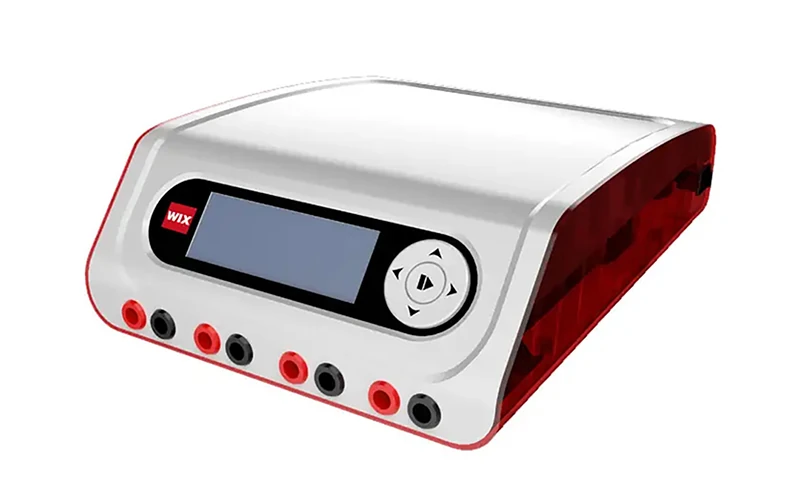
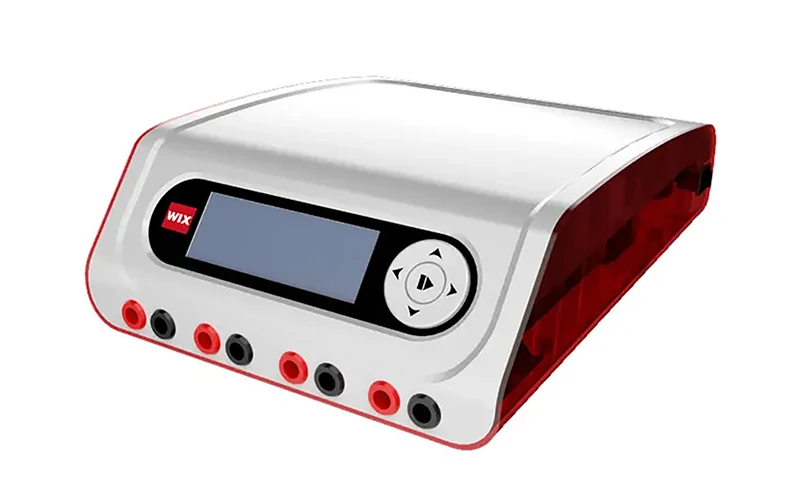
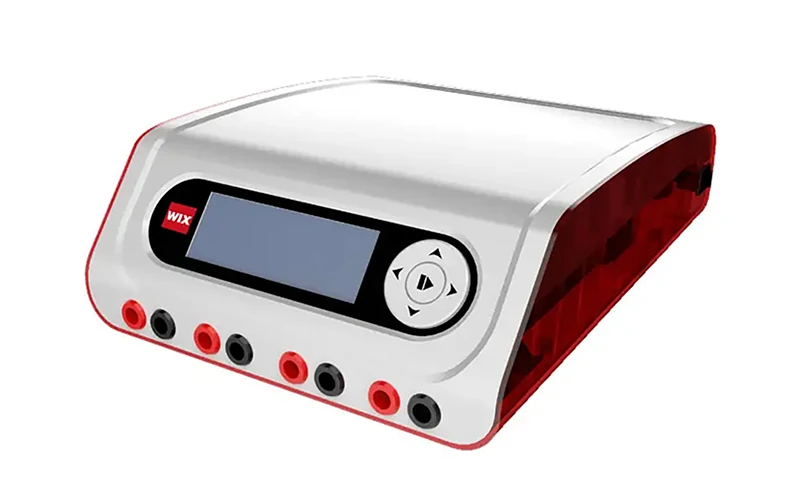
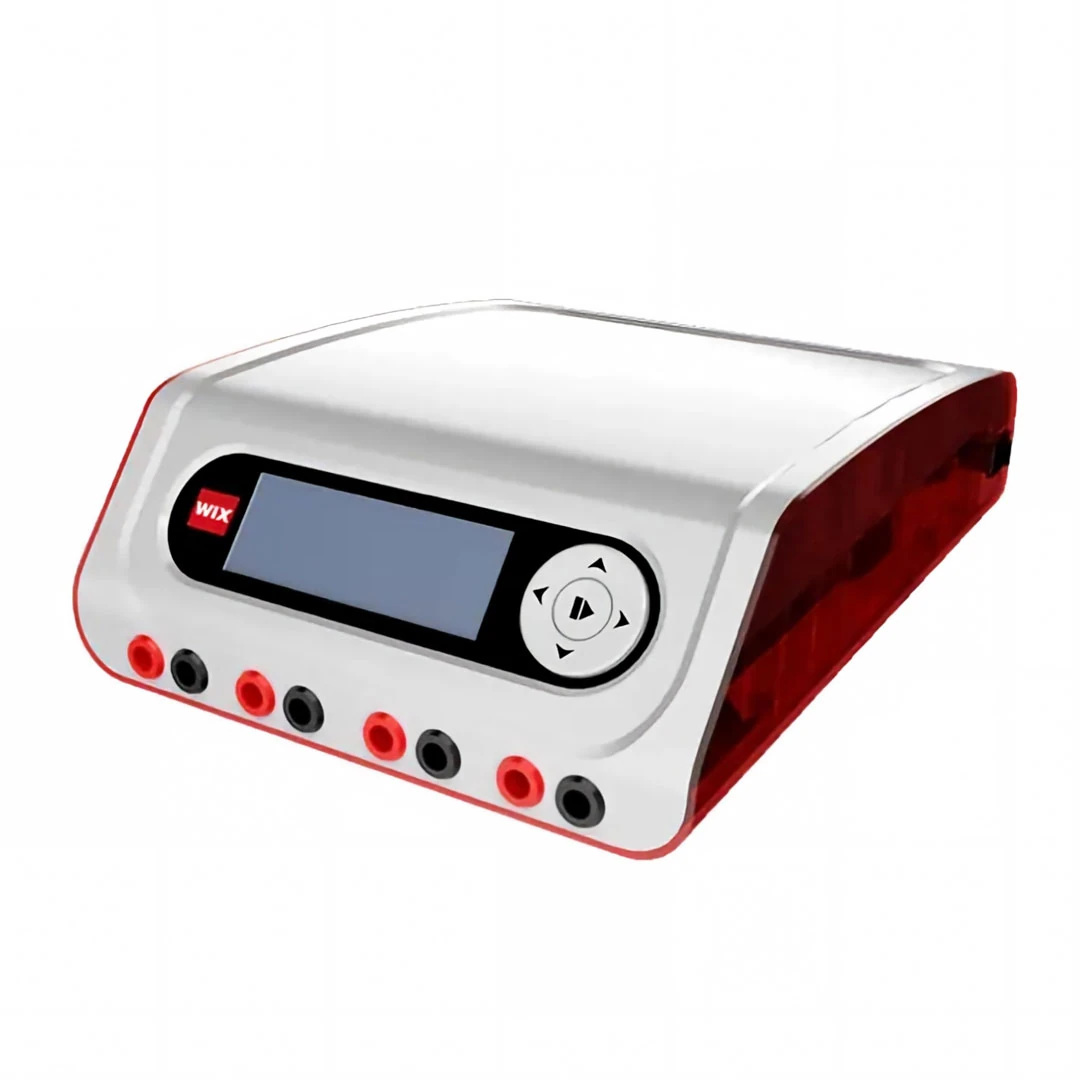
The WIX-EP3000 HC is designed for laboratories that need stable output, flexible control, and higher current capacity. It can be used for Western blot transfer as well as routine protein electrophoresis.
| Specification | WIX-EP3000 HC |
| Output modes | Constant voltage, constant current, constant power |
| Voltage | 5–250 V |
| Current | 1–3000 mA |
| Power | 1–300 W |
The WIX-EP3000 HC supports three output modes. Its output range covers 5–250 V, 1–3000 mA, and 1–300 W.
Users can select the output mode according to the protocol. The selected parameter is maintained during operation, while the other values are adjusted automatically.
This allows one power supply to support different electrophoresis and transfer procedures.
The protein function allows two voltage steps to be set in one program:
The voltage changes automatically between the two steps. As a result, manual adjustment is not required during the programmed run.
The WIX-EP3000 HC can store up to 10 programs. Each program can contain fewer than 10 steps. The run time can be set from 1 minute to 99 hours and 59 minutes.
Saved programs can be reused for repeated procedures, which makes routine testing more convenient.
The WIX-EP3000 HC is designed to provide precise and stable output. Operating conditions can be monitored through the display during a run.
Its user-oriented design also helps simplify daily laboratory operation.
The power supply provides protection against common electrical faults, including:
Automatic recovery is also supported after an open-circuit condition. These functions help improve safety during routine operation.
The WIX-EP3000 HC can be used with different transfer systems for Western blot workflows. It also supports both fast wet transfer and fast semi-dry transfer, giving laboratories more flexibility when selecting a transfer setup.
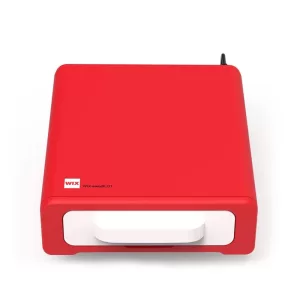
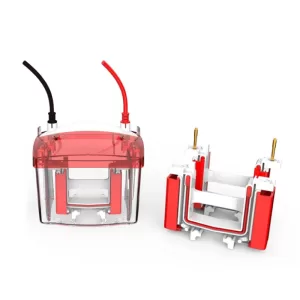
The WIX-cycleBLOT is a 4-gel wet transfer system designed for fast protein transfer. A typical transfer takes about 15 minutes, which can help reduce waiting time in routine Western blot workflows. It also does not require ice or a cooling unit.
The WIX-cycleBLOT can be driven by the WIX-EP3000 HC for fast wet transfer. This combination is suitable for laboratories that need higher transfer capacity with a relatively simple setup.
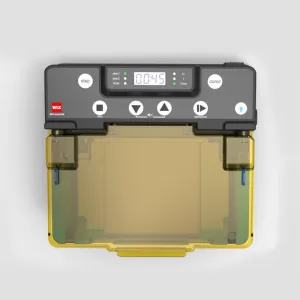
The WIX-easyBLOT Basic is a semi-dry blotter with a blot area of 155 × 110 mm. It can transfer one mini gel within about 3 minutes, or two mini gels or one midi gel within about 7 minutes.
The WIX-easyBLOT Basic can be driven by the WIX-EP3000 HC for fast semi-dry transfer. It provides a compact option for laboratories that prefer shorter transfer times and a semi-dry setup.
WIX power supplies support constant voltage, constant current, and constant power modes. These options allow users to select the mode that fits their experimental needs.
The protein function automatically switches from spacer gel mode to separating gel mode. This reduces the need for manual adjustment during protein electrophoresis.
One program can include two steps: 80 V for 30 minutes for the spacer gel, followed by 120 V for 30 minutes for the separating gel.
The WIX-EP3000 HC provides 5–250 V, 1–3000 mA, and 1–300 W. It supports constant voltage, constant current, and constant power operation.
Choosing a western blot transfer power supply should start with the transfer method used in the laboratory. Wet tank and semi-dry transfer have different power requirements. Protein size also needs to be considered when transfer conditions are selected.
For laboratories that need higher current capacity, flexible control, or programmable operation, the WIX-EP3000 HC offers a practical option. It provides up to 250 V, 3000 mA, and 300 W. Constant voltage, constant current, and constant power modes are available for different electrophoresis procedures.
The right power supply should provide enough capacity without making daily operation more complicated. If you need a suitable solution for Western blot transfer or other electrophoresis applications, contact WIX to discuss your requirements and select a power supply that fits your workflow.