Do You Have Interest in Electrophoresis Tanks?
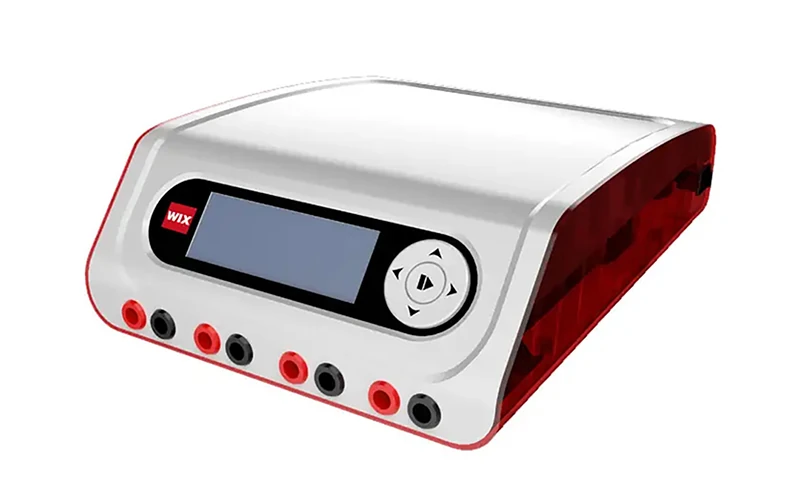
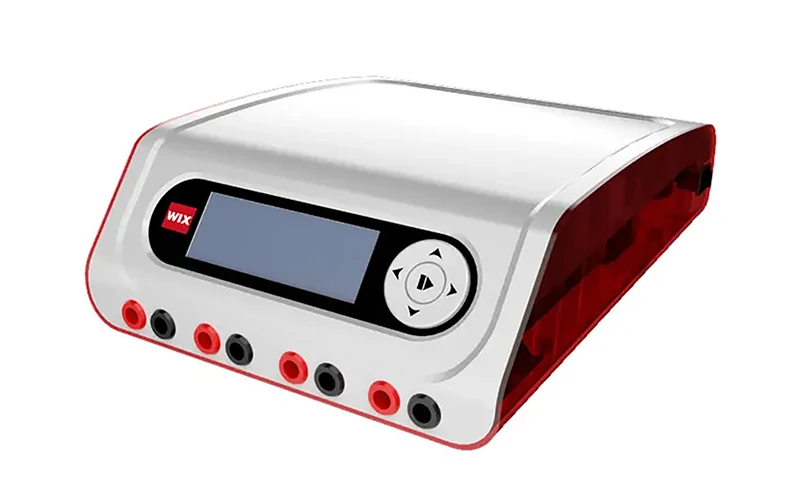
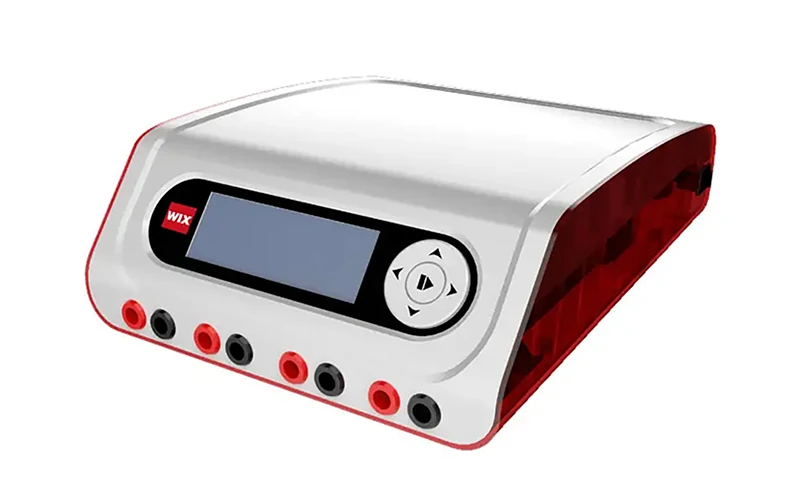
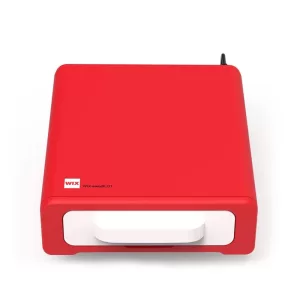
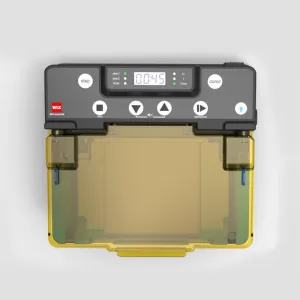
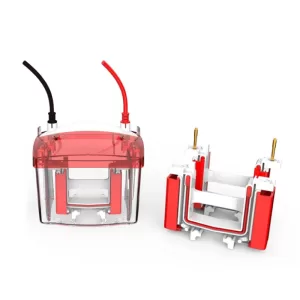
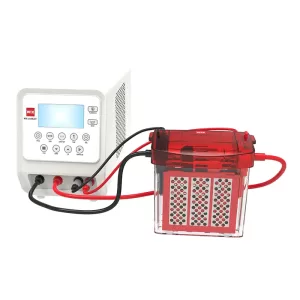
An electrophoresis tank is a core device used to hold electrophoresis buffer and samples in electrophoresis experiments. Its design and performance directly affect the accuracy and reproducibility

Choosing the right western blot instrument is not simply about selecting the most advanced equipment. Different laboratories have different sample volumes, membrane formats, detection methods, and workflow requirements.
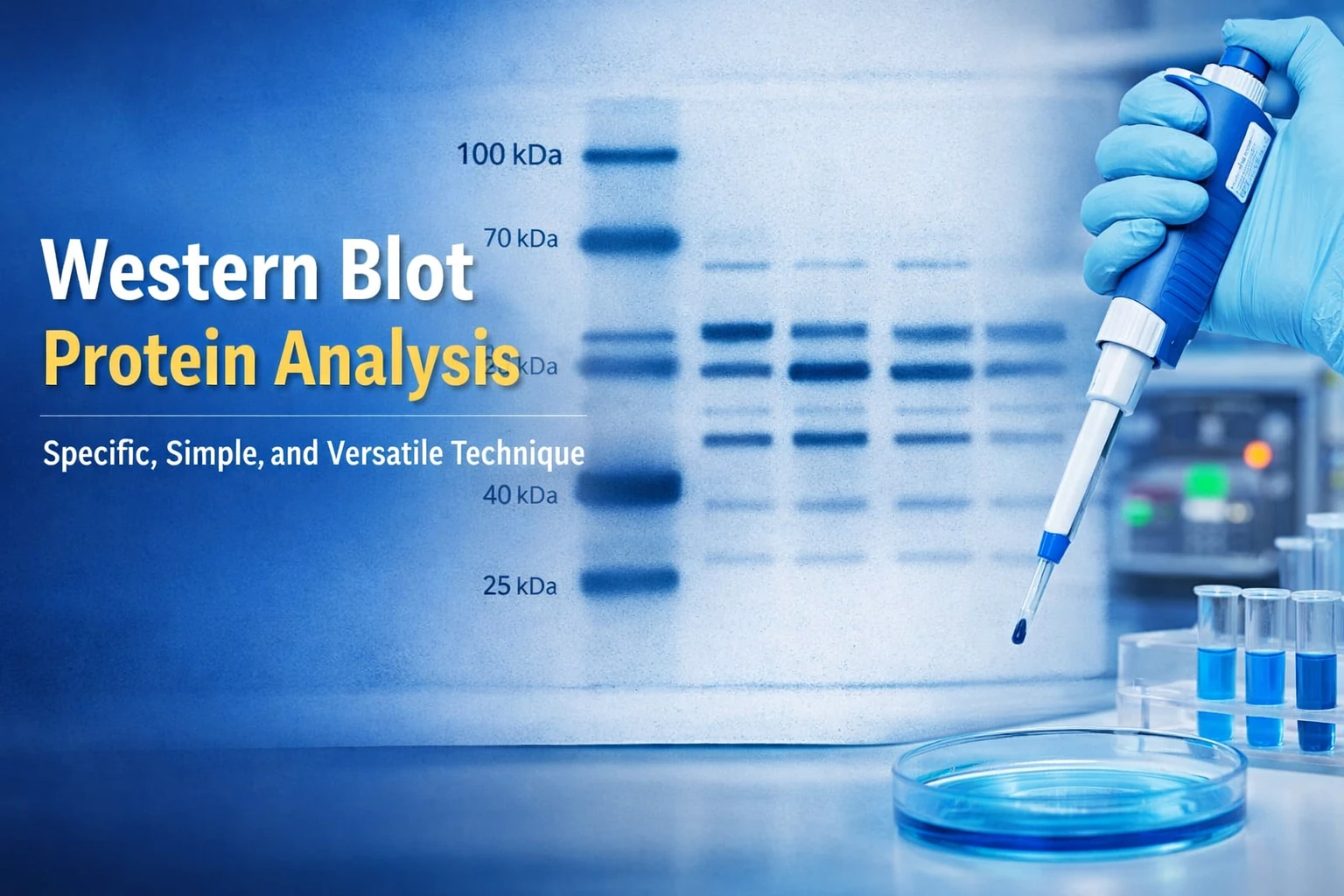
Western blotting involves several steps. These include sample preparation, electrophoresis, protein transfer, immunodetection, image acquisition, and image analysis. Each step can affect the final result.
For a small research laboratory, manual equipment may be sufficient. However, laboratories that process many membranes may need higher capacity and more automation.
This guide explains the main factors to consider when choosing western blot equipment.
A western blot instrument is not necessarily a single piece of equipment. Different instruments are used at different stages of the workflow.
Protein samples are first separated by electrophoresis. The proteins are then transferred from the gel to a membrane. After transfer, the membrane is blocked and treated with primary and secondary antibodies. The final signal is captured and analyzed.
A typical workflow includes:
Because each stage has different requirements, buyers should evaluate the complete workflow before choosing equipment.
A laboratory may use several types of equipment, including:
A protein electrophoresis and blotting instruments setup should therefore be selected as a complete workflow rather than as a collection of unrelated products.

Several specifications should be evaluated together. The most important factors include electrophoresis format, transfer method, membrane capacity, processing flexibility, antibody use, and imaging requirements.
Electrophoresis separates proteins according to their molecular properties. The selected gel format should match the number of samples normally processed.
If only a few samples are tested at a time, a compact format may be practical. Larger sample batches may require a higher-capacity electrophoresis cell.
Also check whether the gel format is compatible with your existing transfer equipment. Bio-Rad also emphasizes selecting the gel and transfer method according to the application.
After electrophoresis, proteins must be transferred from the gel to a membrane.
Wet transfer and semi-dry transfer are commonly used approaches. The appropriate method depends on the protein, membrane, gel format, and laboratory procedure.
When comparing transfer equipment, check the supported membrane size and transfer format. Transfer speed should not be the only consideration. Compatibility with your existing workflow is equally important.
Membrane size becomes more important when multiple blots are processed regularly.
A high-capacity instrument is useful only when its processing format matches your actual experiments.
Manual antibody incubation and washing may be practical for low-volume work. However, repeated membrane handling can take considerable operator time.
Automation is more useful when the same procedures are performed frequently. It can reduce repetitive handling while allowing users to set defined processing conditions.
The goal is not to automate every step. Instead, automation should be considered where repetitive work has become a major part of the laboratory workload.
Antibody use is another factor worth considering. Some antibodies can be expensive, especially when they are used frequently.
When comparing an automated western blot instrument, check whether antibody recovery is supported. WIX-autoPP, for example, supports automatic recycling of primary and secondary antibodies. According to WIX, recovered antibodies can be reused up to 10 times under the manufacturer’s specified conditions.
Actual reuse performance can depend on the antibody and experimental conditions. Therefore, buyers should evaluate this feature based on their own protocols.
An imaging system for western blot is used after immunodetection to capture the blot signal.
The imaging method should match the detection chemistry used in the laboratory. Sensitivity, resolution, dynamic range, background, and analysis functions should all be considered.
Image acquisition is an important part of the workflow because image quality affects downstream analysis. Bio-Rad identifies image acquisition and image analysis as separate stages of the western blot process.
Throughput can strongly influence equipment requirements. A laboratory processing a few membranes each week may not need the same equipment as a facility processing multiple batches every day.
Higher membrane capacity can reduce the need for repeated processing cycles. However, capacity should be considered together with workflow flexibility.
For example, processing 20 membranes is less useful if all membranes must follow the same protocol. Independent control becomes valuable when different antibodies or incubation conditions are required.
Manual processing requires users to perform repeated incubation, washing, and membrane handling steps.
An automated platform can take over these repetitive operations after the required reagents and programs have been set. This can be useful when researchers need to process multiple membranes on a regular basis.
A suitable instrument should provide enough capacity without making the workflow unnecessarily complicated.
For laboratories with different experiments running at the same time, independent control can be more useful than simply increasing the number of processing positions.
The best choice depends on your actual workflow rather than the highest specification.
If only a few membranes are processed at a time, manual incubation may be sufficient. A basic electrophoresis and transfer setup combined with an appropriate imaging platform may meet routine requirements.
If western blot experiments are performed regularly, focus on repeatability and ease of operation. Equipment that reduces unnecessary manual handling can make routine work easier.
When many membranes are processed each day, capacity becomes more important. Independent control, automatic washing, antibody recovery, and flexible membrane formats should also be considered.
Equipment used by multiple researchers should be easy to program and operate. Simple controls can also reduce training requirements.
Before purchasing, check the equipment dimensions, power requirements, membrane compatibility, consumables, and available laboratory space.
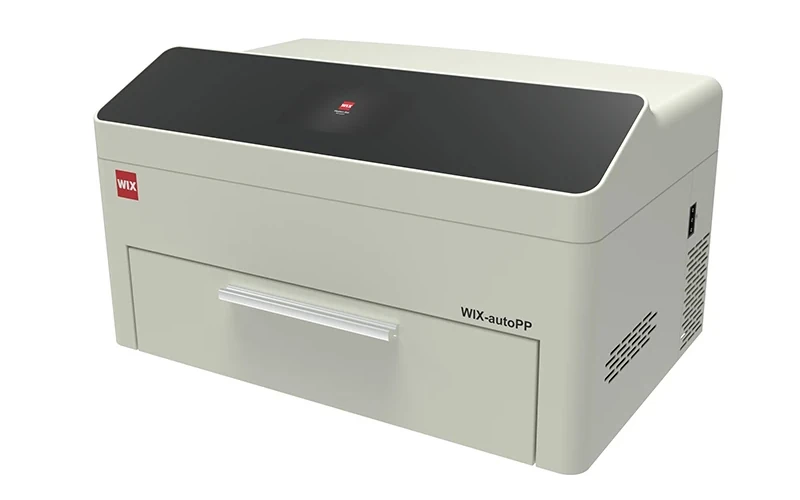
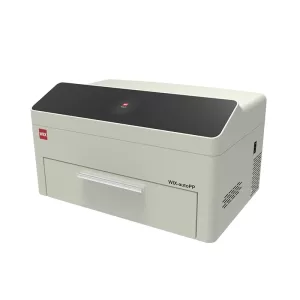
The WIX-autoPP is an automated western blot instrument designed for membrane processing. It focuses on antibody incubation, washing, and related repetitive processing steps.
WIX-autoPP has 12 incubation tanks and can process up to 24 membranes. This makes it suitable for laboratories that need to handle multiple membranes in one batch.
Each incubation tank can run an independent program. This allows different membranes to be processed under different conditions when required.
This feature can be useful when a laboratory is working with different antibodies or protocols at the same time.
The system supports automatic recycling of primary and secondary antibodies. WIX specifies that recovered antibodies can be reused up to 10 times under suitable conditions.
This function may help laboratories reduce antibody consumption when repeated experiments are performed.
WIX-autoPP is available with XS, S, M, and L incubation tank sizes. This allows the equipment to accommodate different membrane formats.
Different tank sizes can also be used together, providing more flexibility for laboratories with mixed membrane sizes.
The equipment can automatically clean the tubes after processing. This reduces the amount of routine manual cleaning required between experiments.
| Specification | WIX-autoPP |
| Incubation tanks | 12 |
| Maximum membrane capacity | Up to 24 |
| Program control | Independent |
| Antibody recycling | Up to 10 times |
| Incubation tank sizes | XS / S / M / L |
| Tube cleaning | Automatic |
Not necessarily. Different instruments are normally used for electrophoresis, protein transfer, blot processing, and imaging. An automated blot processor mainly addresses repetitive membrane-processing steps.
It depends on the laboratory workload. Automation becomes more useful when membrane processing is frequent or when researchers want to reduce repetitive manual work.
Start with sample volume, membrane size, processing capacity, detection method, and existing laboratory equipment. Then compare automation functions, reagent use, maintenance, and compatibility.
Choosing the right western blot instrument requires a clear understanding of your laboratory workflow. Sample volume, membrane size, processing capacity, transfer method, antibody use, and imaging requirements should all be considered before making a purchase.
For low-volume experiments, manual equipment may be sufficient. As membrane processing becomes more frequent, automated equipment can help reduce repetitive work and improve workflow efficiency. Laboratories with higher workloads should also consider processing capacity, independent control, membrane compatibility, and antibody recycling.
The right western blot instrument is not simply the one with the most features. It should match your laboratory’s actual workload, membrane format, experimental procedures, and future needs. Contact WIX to discuss your application and find out whether WIX-autoPP is suitable for your western blot workflow.