Do You Have Interest in Electrophoresis Tanks?
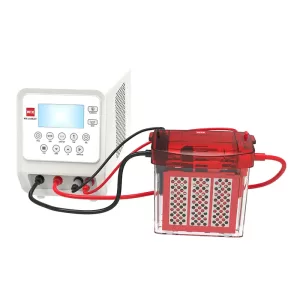
An electrophoresis tank is a core device used to hold electrophoresis buffer and samples in electrophoresis experiments. Its design and performance directly affect the accuracy and reproducibility

Routine DNA analysis requires suitable gel dimensions, reliable sample loading, and convenient equipment setup. A Horizontal electrophoresis cell supports agarose gel electrophoresis for DNA separation, PCR product analysis, and DNA fragment recovery. Choosing the right configuration helps match sample numbers, well dimensions, and separation requirements to daily laboratory workflows.
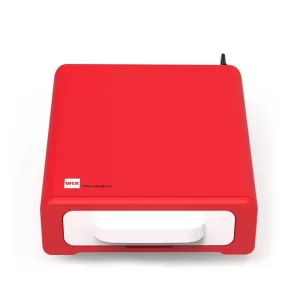
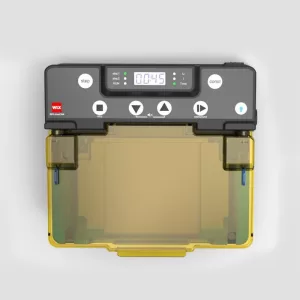
The WIX-miniDNA features two gel areas, 70 × 70 mm and 70 × 100 mm, with multiple comb thicknesses and well configurations. Its heat-resistant gel tray with a fluorescent gauge and built-in movable electrode assembly are designed to simplify gel preparation and routine maintenance.
This guide explores how these features support laboratory workflows and what to consider when evaluating system compatibility, accessories, and operating requirements.
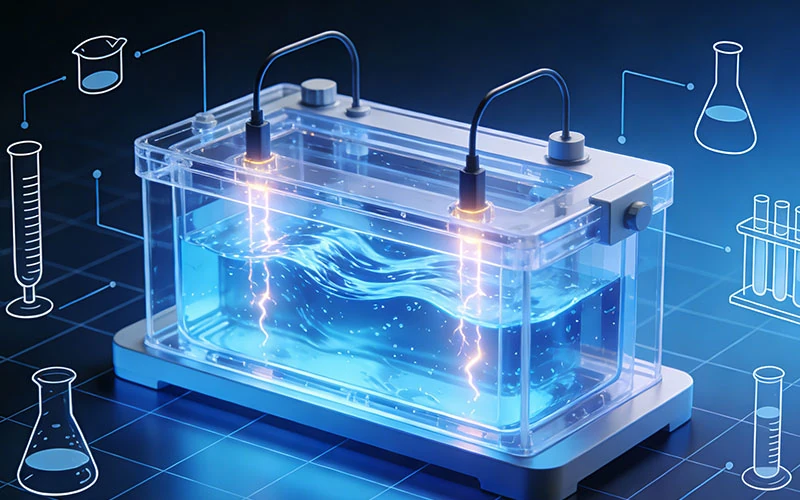
A horizontal electrophoresis cell is used to separate DNA fragments through agarose gel electrophoresis. The gel sits in a chamber filled with running buffer, and an electric field moves DNA through the gel matrix. Smaller DNA fragments generally migrate faster than larger fragments under the same operating conditions, allowing samples to be separated according to fragment size.
This method is widely used in molecular biology laboratories for routine DNA analysis, checking PCR products, examining restriction digestion results, and preparing DNA fragments for recovery. The quality of the results depends on several factors, including agarose concentration, buffer condition, applied voltage, sample loading, and run duration.
The electrophoresis cell provides the physical setup for the process. Its gel dimensions, comb design, chamber capacity, and electrode arrangement affect how easily the workflow can be prepared and repeated. A suitable configuration helps match the equipment to the protocol rather than forcing the experiment to fit the available hardware.
A compact system can be practical when routine work involves moderate sample numbers and relatively small gels. It occupies less bench space than many larger-format systems and can suit laboratories that regularly check DNA samples without needing a large gel area for every run.
A mini horizontal gel electrophoresis system is not automatically better for every application. A larger gel may be more suitable when a protocol requires a longer migration distance, a wider sample layout, or a different gel format. The choice depends on the separation task, sample volume, and laboratory workflow.
The WIX-miniDNA is designed for routine DNA separation and analysis, with two gel areas and several comb options. These configurations allow laboratories to select a setup that fits their usual sample numbers and loading requirements.
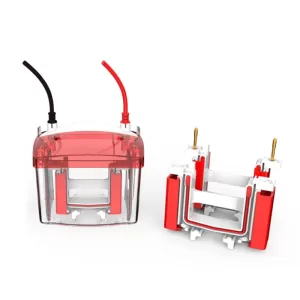
The main components of a typical horizontal setup include the gel tray, combs, buffer chamber, and electrodes. The tray supports the agarose gel, while the comb creates wells for sample loading. The chamber holds the running buffer, which provides the conductive medium required during electrophoresis.
The WIX-miniDNA includes a heat-resistant gel tray with a fluorescent gauge and a built-in movable electrode assembly. The manufacturer describes the electrode design as washer-free, easy to maintain, and non-leaking. These features address practical aspects of gel preparation and equipment upkeep.
Separation efficiency still depends on how the system is configured and operated. Gel geometry, well selection, sample loading, and electrical conditions all influence the final result.
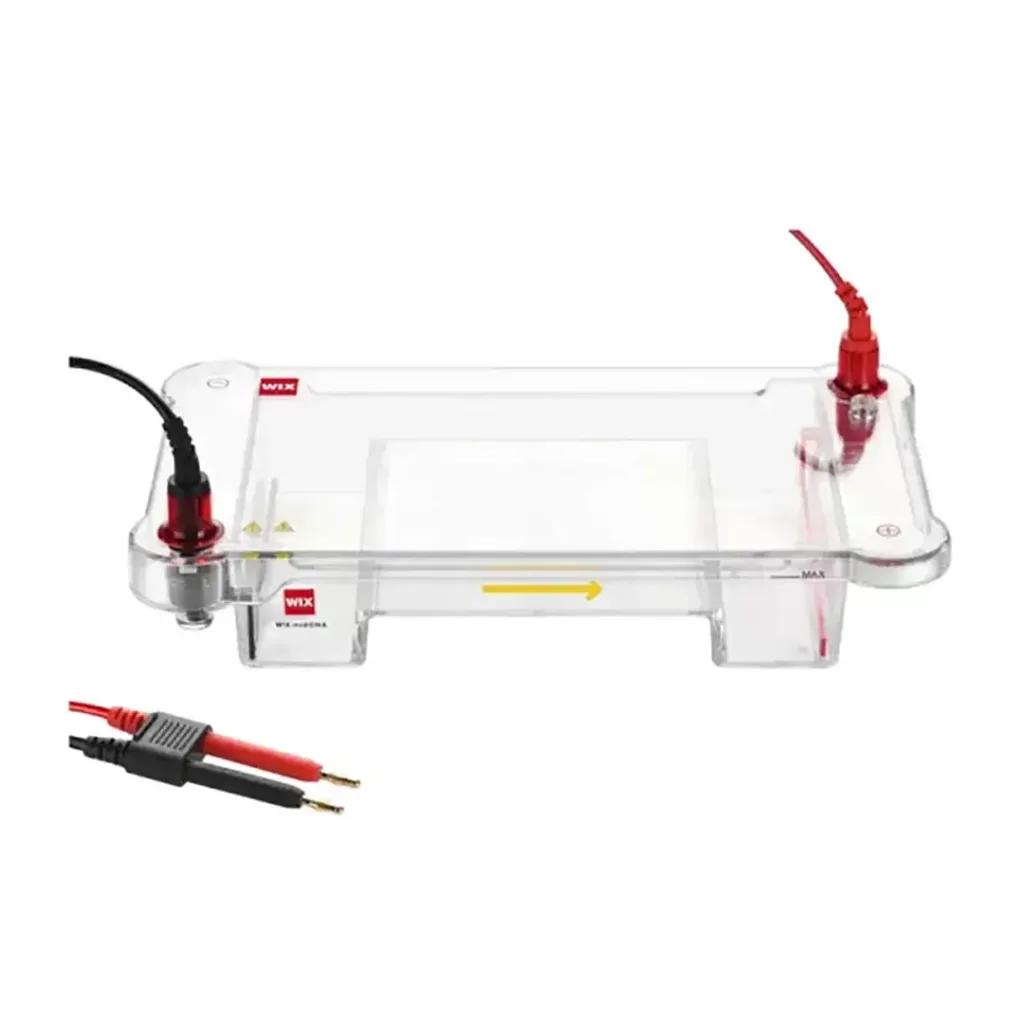
The WIX-miniDNA supports two gel areas: 70 × 70 mm and 70 × 100 mm. These formats offer different amounts of space for sample placement and DNA migration.
The 70 × 70 mm format can suit routine checks that do not require a larger gel area. The 70 × 100 mm format provides a longer dimension, which may be useful when a protocol requires more room for sample arrangement or migration. The actual separation distance also depends on the well position and the gel layout, so the stated gel area should not be treated as the exact migration distance.
A larger gel does not guarantee better resolution. Resolution depends on the DNA fragments being separated, agarose concentration, buffer conditions, voltage, and run time. Select the gel format according to the protocol and the space needed for the samples rather than assuming one size will perform better in every experiment.
The WIX-miniDNA offers comb thicknesses of 0.75 mm, 1.0 mm, and 1.5 mm. Each listed thickness is available in 9-well and 16-well configurations.
Comb thickness and well count influence how samples are loaded. Well geometry should match the sample volume and the number of samples in the run. A thinner comb creates a different well profile from a thicker one, while a higher well count allows more samples to be loaded on the same gel format. However, more wells do not automatically improve throughput or separation quality. Well spacing, sample volume, and the amount of DNA loaded remain important.
For routine work, choose the comb based on the number of samples and the loading requirements of the protocol. If the laboratory regularly handles both small and large sample batches, the availability of multiple comb configurations can make the system more adaptable.
The WIX-miniDNA can support the separation and analysis of up to 32 samples within 20 minutes under suitable conditions. Not a guarantee that every DNA sample or protocol will produce a final result in the same time.
Actual run time depends on the DNA fragment sizes, agarose concentration, buffer condition, applied voltage, and the endpoint required for analysis. The time needed to prepare the gel, load samples, and interpret the results may also sit outside the stated separation period.
DNA fragment recovery is another application of horizontal electrophoresis systems.Successful recovery depends on the target fragment, gel conditions, extraction method, and handling after electrophoresis. No specific recovery rate is established by the supplied product information.
The following specifications help connect the system’s configuration to routine laboratory needs.
| Technical parameter | WIX-miniDNA specification | Practical relevance |
| Gel area | 70 × 70 mm and 70 × 100 mm | Provides two gel formats for different layouts |
| Comb thickness | 0.75, 1.0, and 1.5 mm | Offers different well geometries |
| Well count | 9 or 16 wells per listed comb configuration | Accommodates different sample-loading requirements |
| Buffer volume | 260 mL | Helps estimate buffer preparation needs |
| Dimensions | 260 × 110 × 80 mm (L × W × H) | Supports bench-space planning |
| Weight | 0.6 kg | Relevant to handling and equipment placement |
Actual separation performance depends on the experimental setup and operating conditions.
The WIX-miniDNA features a heat-resistant gel tray designed to maintain its shape at temperatures up to 100°C.The tray allows gel pouring before the agarose solution has fully cooled. This can give laboratory staff more flexibility during gel preparation, especially when several routine steps need to be coordinated.
The fluorescent gauge provides a visible reference during preparation and positioning. A clear reference can make it easier to work consistently with the tray, although the available information does not specify a measurement accuracy or calibration function.
The temperature claim should be understood within the manufacturer’s stated conditions. It does not establish compatibility with every chemical, cleaning agent, sterilization method, or repeated heating cycle. Follow the product instructions when preparing, cleaning, and handling the tray.
The WIX-miniDNA uses a built-in movable electrode assembly. The design as requiring no washer and highlights easier maintenance and non-leakage.
For routine use, electrode access and chamber sealing matter because the system must hold buffer securely and maintain electrical contact during a run. A design that is easier to access may also simplify inspection and routine care.
Routine maintenance should follow the manufacturer’s instructions. Check the chamber and electrode assembly for visible residue or damage, and handle the equipment according to the operating manual. Do not assume that a washer-free design eliminates the need for inspection or cleaning.
The specified buffer volume is 260 mL. Correct buffer preparation and adequate coverage are essential because buffer chemistry and conductivity affect DNA migration. Differences in concentration, pH, or buffer condition can lead to variation between runs.
Operating conditions also matter. Excessive voltage, high buffer conductivity, long run times, or unsuitable gel conditions can contribute to heating and inconsistent migration. The power supply and the chosen protocol should therefore be compatible with the gel format and intended separation.
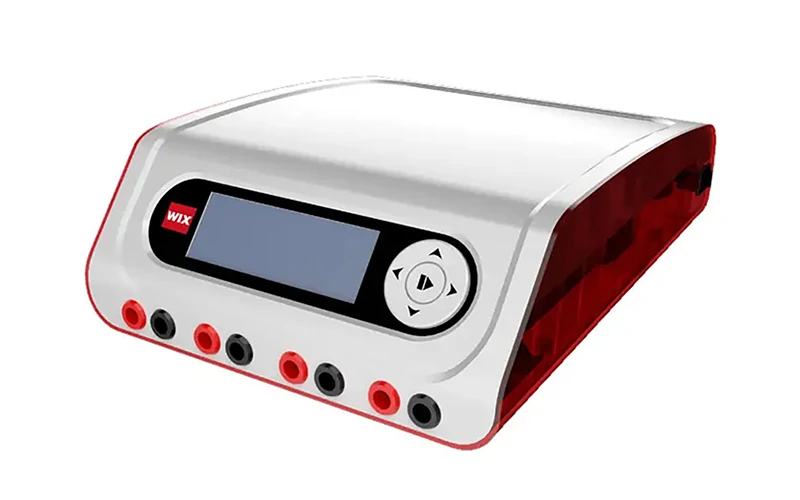
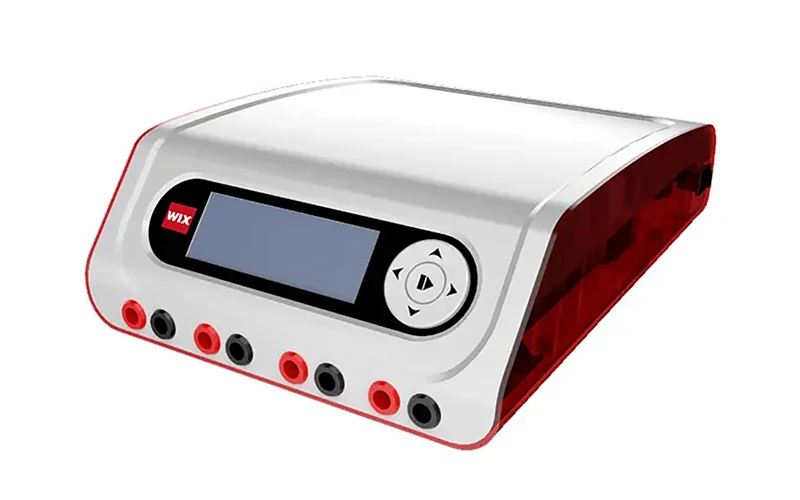
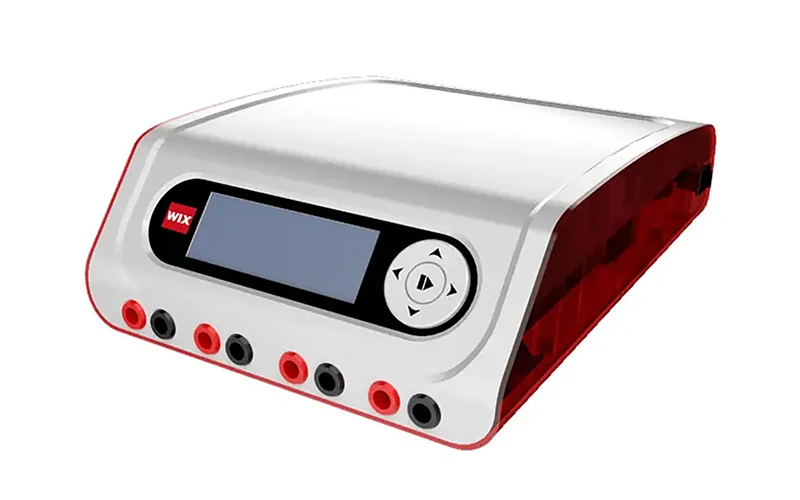
An electrophoresis cell must be paired with a compatible power supply. Before ordering the WIX-miniDNA, confirm the supported voltage and current, output connections, and recommended operating limits in the manufacturer’s technical documentation.
Compatibility matters both for safe operation and for achieving the conditions required by the selected protocol. Do not select a power supply based only on its connector or general suitability for electrophoresis; verify the electrical requirements for the complete setup.
Request a written quotation that identifies the supplied components and any optional accessories.
Use this checklist when confirming the configuration:
A clear package list helps prevent missing components and makes quotations easier to compare.
The quoted price of an electrophoresis cell may not represent the cost of a ready-to-use setup. Extra combs, additional trays, a compatible power supply, and replacement components can affect the total purchase cost.
When comparing quotations, use the same configuration and check what each price includes. Shipping charges, warranty coverage, spare-part availability, and technical support can also affect the long-term cost of ownership. Confirm delivery arrangements and the availability of replacement components before finalizing the purchase.
The WIX-miniDNA may suit laboratories whose routine workflows fit its 70 × 70 mm or 70 × 100 mm gel areas and its 9-well or 16-well comb options. Its stated capacity of up to 32 samples within 20 minutes may also be relevant when planning routine sample analysis, subject to the actual configuration and operating conditions.
A larger or more specialized system may be a better fit when a protocol requires a larger gel, a longer migration distance, or a configuration not documented for this model. Matching the equipment to the laboratory’s regular applications is more useful than choosing solely by size or headline sample capacity.
Before choosing a DNA electrophoresis cell, confirm that its configuration matches the laboratory’s routine methods.
These checks help ensure that the cell, power supply, accessories, and laboratory protocol work as a complete setup.
A horizontal electrophoresis cell is commonly used for agarose gel electrophoresis to separate DNA fragments. The gel and running buffer sit in a horizontal chamber while an electric field moves DNA through the gel matrix.
The WIX-miniDNA can separate and analyze up to 32 samples in 20 minutes under suitable operating conditions.The practical workflow depends on the selected configuration, sample requirements, and experimental settings.
The WIX-miniDNA supports gel areas of 70 × 70 mm and 70 × 100 mm.
The documented comb thicknesses are 0.75 mm, 1.0 mm, and 1.5 mm. Each thickness is available in 9-well and 16-well configurations.
Choosing an agarose electrophoresis tank involves more than checking the gel dimensions. Comb options, buffer volume, power supply compatibility, package contents, and maintenance requirements all affect how well the equipment fits routine laboratory work.
The WIX-miniDNA offers two gel areas, three comb thicknesses, and two well-count options, along with a heat-resistant gel tray and a built-in movable electrode assembly. Its suitability depends on the sample types, separation requirements, and operating conditions used in the laboratory.
For laboratories and equipment distributors evaluating this horizontal electrophoresis system, contact WIX Scientific to confirm the current configuration, compatible power supply, included accessories, quotation, and delivery details.