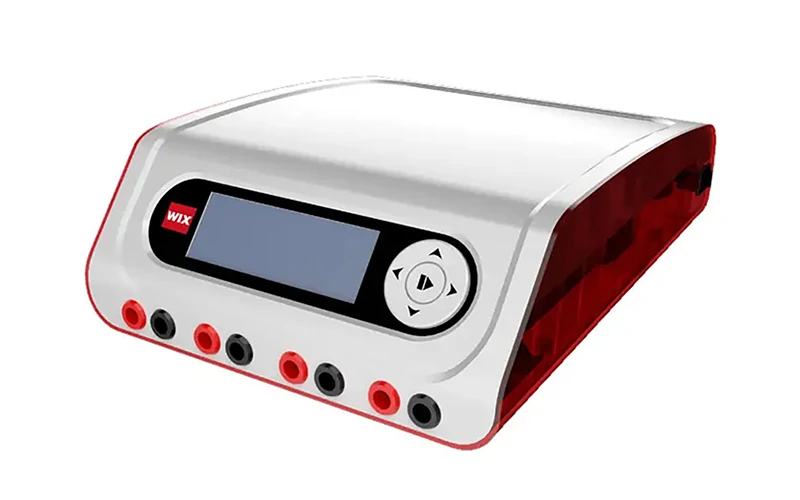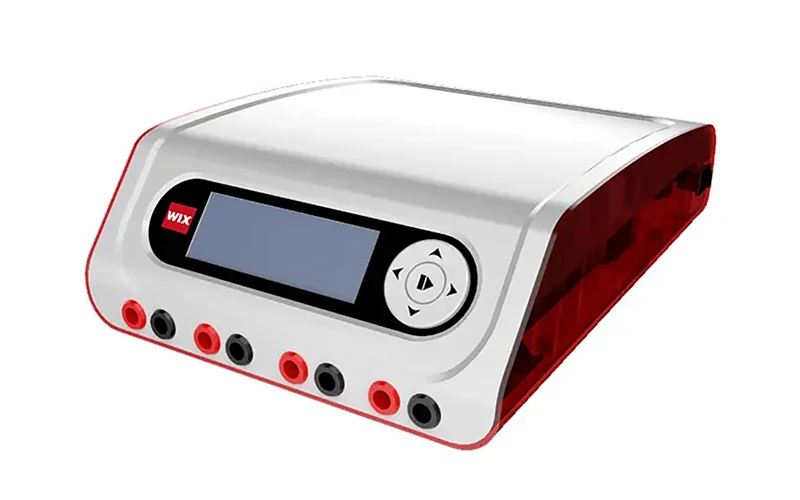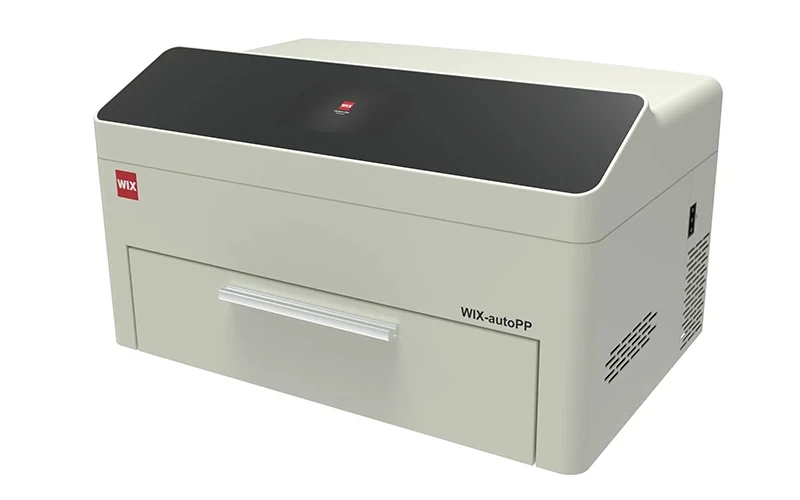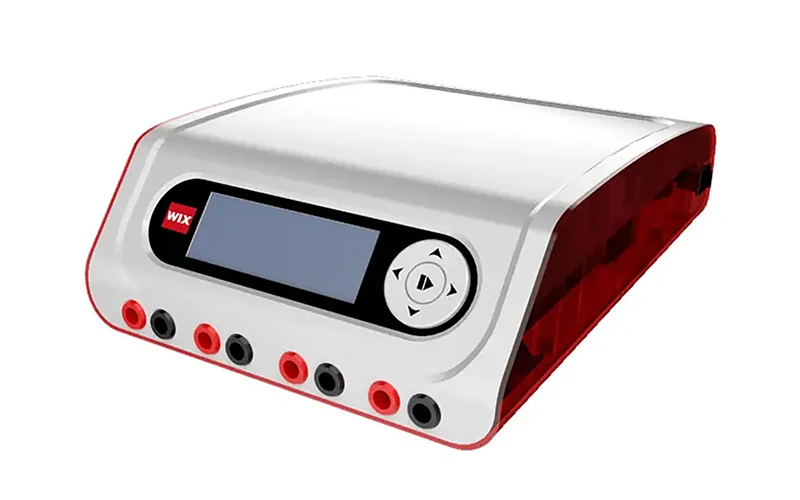
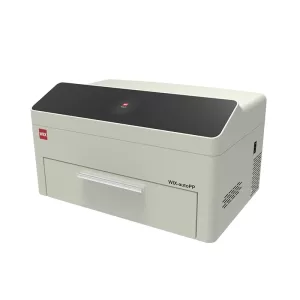

Do You Have Interest in Electrophoresis Tanks?
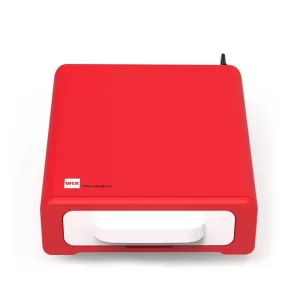
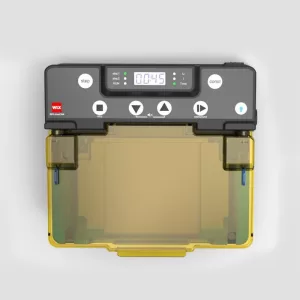
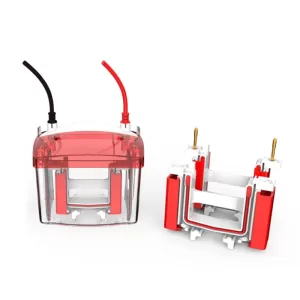
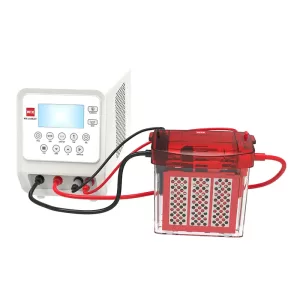
An electrophoresis tank is a core device used to hold electrophoresis buffer and samples in electrophoresis experiments. Its design and performance directly affect the accuracy and reproducibility

Laboratory sample preparation requires equipment that suits the sample container, mixing method, liquid volume, and temperature requirements. Before selecting a shaker, document the container type, the number of samples processed per run, the required mixing action, and the target temperature.
Different sample formats require different holding and mixing arrangements. Tubes must remain securely positioned during operation, and the block must accommodate their dimensions. A block designed for one tube size may not provide proper support for another, even when the tubes look similar.
The required mixing action also matters. Oscillating motion can help mix samples held in compatible tube blocks, while other workflows may require orbital motion or a different mixing method. Excessive movement can cause splashing, foaming, or unwanted sample disturbance, while insufficient movement may leave samples poorly mixed.
List the tube diameter, tube length, working volume, and number of tubes per batch before comparing equipment. Confirm that a compatible block is available and that the intended sample volume can be handled safely. If the protocol specifies a particular mixing method, verify that the equipment uses that motion rather than assuming all laboratory shakers work in the same way.
Temperature control is important when sample preparation involves incubation, enzyme reactions, or temperature-sensitive biological materials. The set temperature alone does not show how consistently a unit maintains conditions across the block or how quickly it reaches the target.
Check the protocol for its required operating temperature, acceptable deviation, and incubation duration. Also consider whether samples need to remain at a stable temperature during shaking or only during a separate heating stage. For temperature-sensitive workflows, confirm the operating range and temperature performance at the temperatures used in the protocol.
The equipment should cover the required temperature range and maintain conditions within the experiment’s tolerance. Do not assume that a wide temperature range automatically means high accuracy or uniformity.
Capacity affects both productivity and consistency. Processing too few samples per run can extend preparation time, while overcrowding a block can make loading inconvenient or compromise the intended arrangement.
Estimate the number of samples processed each day and the number of tubes required for each batch. Confirm the usable positions in the compatible block, the space needed to load and remove tubes, and whether the planned workload requires multiple runs. Choose a capacity that accommodates the normal batch size without forcing tubes into unsuitable positions.
Once the workflow requirements are clear, the equipment’s performance specifications need to be checked against the experimental protocol. Nominal settings are useful for initial screening, but the supporting test conditions determine whether the stated performance is relevant to the application.
The available speed range should cover the protocol’s required mixing speed. A higher maximum speed is not automatically better: some samples require gentle mixing, and others need more intensive movement. The usable range, adjustment increments, and stability at the intended operating speed are more important than the maximum value alone.
Oscillation diameter also affects sample movement. Speed and oscillation diameter work together, so two units operating at the same speed may produce different mixing results if their motion differs. Confirm both specifications and check whether performance changes with the selected block or sample load.
Before ordering, compare the equipment’s speed range and oscillation diameter with the protocol. If mixing intensity is critical, request performance information for the intended operating conditions instead of relying only on the headline maximum speed.
Temperature deviation describes the difference between the displayed or set temperature and the measured temperature under specified conditions. Temperature uniformity describes temperature differences across the relevant area. These measurements are related, but they are not interchangeable.
Heating rate affects preparation time, especially when samples must reach a target temperature quickly. However, a fast heating rate does not by itself demonstrate accurate temperature control or uniform heating. Test results should identify the conditions under which the measurements were taken.
NIST’s guidance on industrial thermometer calibration highlights the importance of calibration methods and measurement uncertainty when evaluating temperature measurements. The World Health Organization also recommends defining maintenance and calibration requirements for laboratory equipment according to its use. These principles are relevant when temperature control affects experimental results.
Check the stated temperature deviation, uniformity, and maximum heating rate, including the temperature range and test conditions associated with each figure. If the protocol has a narrow tolerance, ask for supporting test records or calibration information that covers the relevant operating range.
Published specifications describe the manufacturer’s stated performance, but routine verification helps determine whether the equipment continues to operate as expected. This is particularly important when temperature or mixing consistency affects repeatability.
Before purchase, identify which performance records are available, such as temperature test results, calibration documentation, or operating instructions. After installation, follow the manufacturer’s instructions for checking temperature, inspecting the block connection, and confirming that the unit operates normally.
Use a written inspection schedule based on the equipment manual and the laboratory’s quality requirements. Record unusual noise, unstable speed, temperature deviations, or block-fitting problems, and stop using the unit when a fault could affect sample safety or experimental results.
Performance figures are only useful when the equipment can accommodate the intended containers and operating conditions. The practical details below should be resolved before an order is placed.
Interchangeable blocks can support different sample formats, but compatibility should be confirmed rather than assumed. Check the tube diameter, tube length, block capacity, and the way the block is secured to the instrument. Confirm whether the required block is included or needs to be ordered separately.
The block connection should remain secure during repeated shaking, and users should be able to install or remove it according to the manufacturer’s instructions. If several tube sizes are used in the same laboratory, confirm the availability of compatible blocks for each format before selecting the instrument.
Laboratory conditions can affect equipment operation over time. Review the specified ambient temperature, ventilation requirements, power supply, and any restrictions on the samples or containers used. Make sure the installation area provides sufficient space for loading tubes, opening covers, and routine cleaning.
Maintenance requirements should also be clear. Check how to clean the instrument and block, inspect the connection, and respond to temperature or speed abnormalities. If the equipment will be used frequently, confirm that routine checks can be completed without disrupting the laboratory’s workflow.
The WIX-dryBATH-HS combines temperature control with oscillating mixing in a compact dry-bath format. It may suit tube-based workflows that need controlled heating and shaking in one instrument. The final choice should depend on the required sample format, operating conditions, and verified performance.
| Parameter | Published specification |
| Temperature setting range | 15–100°C |
| Speed adjustment range | 200–1500 rpm in the detailed specification table; confirm the applicable range for the ordered configuration |
| Temperature deviation | ±0.5°C within 20–45°C |
| Temperature uniformity | ±0.5°C within 20–45°C |
| Maximum heating rate | 5.5°C/min |
| Mixing diameter | 3 mm |
| Timer | 1 min–99 h 59 min |
| Program storage | Up to 9 programs |
| Power | 200 W |
| Power input | 100–240 V, 50/60 Hz |
| Dimensions | 264 × 183 × 133 mm, excluding block |
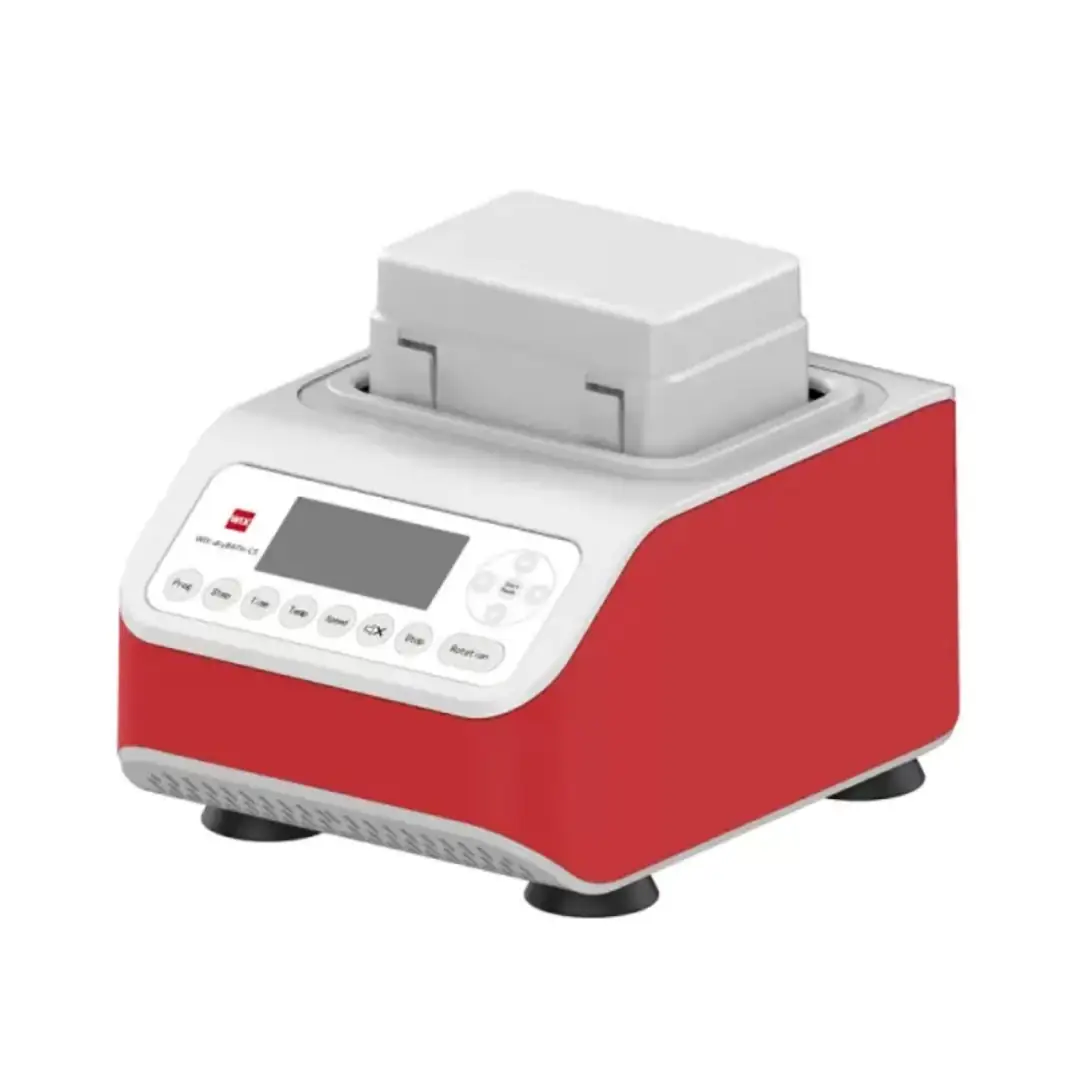
Interchangeable blocks allow the instrument to accommodate compatible tube formats. This can be useful in laboratories that process different sample sizes, provided the required blocks are available and their specifications match the tubes.
Push-and-pull block connection supports block installation and removal without a separate tool. Users should still follow the manufacturer’s instructions to ensure the block is correctly seated before operation.
An insulation cover helps reduce heat loss during operation. Its practical benefit depends on the operating temperature, laboratory conditions, and the way the instrument is used.
Programmable operation and an LCD support the setting and monitoring of operating parameters. Storage for up to nine programs may help laboratories repeat common procedures, but users should verify that each stored program matches the current protocol before starting a run.
The WIX-dryBATH-HS may be considered for tube-based sample preparation that combines heating and oscillating mixing, such as workflows requiring controlled incubation and repeated mixing. Before selecting it, confirm that a compatible block is available for the sample tubes and that the instrument’s motion, speed, and temperature performance meet the protocol.
A shaker Manufacturer should be able to clarify specifications that affect compatibility and performance. When contacting a supplier, provide tube dimensions, sample volume, required batch size, operating temperature, and target speed so that the configuration can be checked against the intended use.
A shaker Factory should confirm which blocks and accessories are included and which must be purchased separately. Buyers sourcing from a China shaker supplier should also verify the final technical configuration and relevant documentation before placing an order. A shaker Company should be able to address remaining questions about the selected configuration, operating requirements, and available technical support.
The published setting range is 15–100°C. The stated temperature deviation and uniformity of ±0.5°C apply within 20–45°C. If the application requires tight temperature control outside that interval, request supporting performance data for the relevant temperature before purchasing.
The detailed specification table lists 200–1500 rpm, but the product introduction indicates a different maximum. Obtain written confirmation of the speed range for the exact configuration being ordered rather than assuming that the listed maximum applies to every setup.
It uses interchangeable blocks, but each tube format must match a compatible block. Confirm tube diameter, tube length, capacity, and block availability before placing an order.
Temperature deviation concerns the difference between a set or displayed value and a measured value under defined conditions. Uniformity concerns temperature differences across the relevant area. Both may affect experimental consistency, so check each specification separately.
Follow the operating manual to inspect the block connection, confirm the selected settings, and verify that temperature and shaking operate as expected. Keep records of routine checks and address abnormal noise, unstable speed, or temperature deviations before continuing sensitive experiments.
Choosing equipment for tube-based sample preparation involves more than comparing headline specifications. The tube format, batch size, required mixing action, and temperature tolerance all affect whether an instrument can fit into an existing laboratory workflow. Confirming these requirements before purchase can help reduce configuration mismatches and avoid unnecessary adjustments after installation.
If you are sourcing an oscillating thermo dry bath for tube-based sample preparation, please provide your tube dimensions, sample volume, batch size, required mixing speed, operating temperature, and temperature tolerance. Contact WIX Scientific to discuss the WIX-dryBATH-HS configuration and request a quotation tailored to your laboratory’s sample preparation requirements.