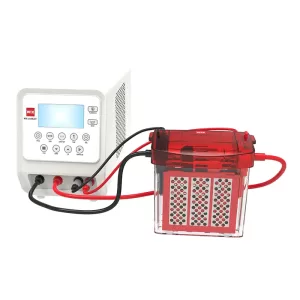
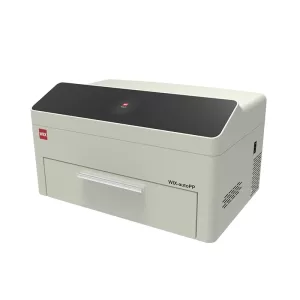
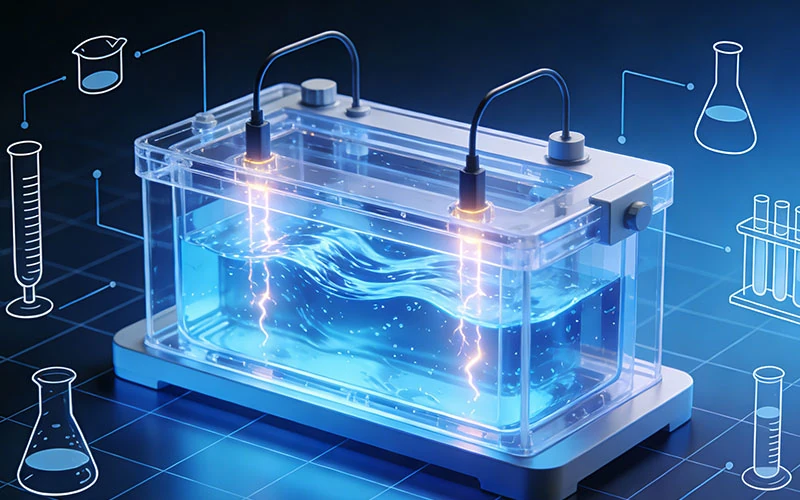
Do You Have Interest in Electrophoresis Tanks?
An electrophoresis tank is a core device used to hold electrophoresis buffer and samples in electrophoresis experiments. Its design and performance directly affect the accuracy and reproducibility

A mini gel electrophoresis system provides a compact solution for laboratories performing protein separation with vertical gel formats. In applications such as SDS-PAGE, the system supports the movement of proteins through polyacrylamide gels under an applied electric field, while the quality of separation depends on factors including gel composition, sample preparation, buffer conditions, and operating parameters.
Selecting a suitable electrophoresis cell involves more than evaluating size or capacity alone. Gel dimensions, thickness options, comb configurations, sealing performance, and compatibility with hand-cast or precast gels all influence whether the equipment can integrate with an existing laboratory workflow.
The WIX-easyPRO2 Mini Easy Vertical Electrophoresis Cell is designed around these practical requirements, combining a compact gel chamber with alignment and locking features that support gel preparation and routine operation. This article explains how mini gel electrophoresis systems support protein separation, which specifications affect equipment selection, and how design features such as glass plate positioning and sealing mechanisms contribute to laboratory workflows.
Electrophoresis uses an electric field to move charged molecules through a suitable medium. In protein analysis, polyacrylamide gels provide a matrix through which proteins migrate. The gel composition and operating conditions influence separation, while the equipment holds the gel and establishes the electrical connection required for the procedure.
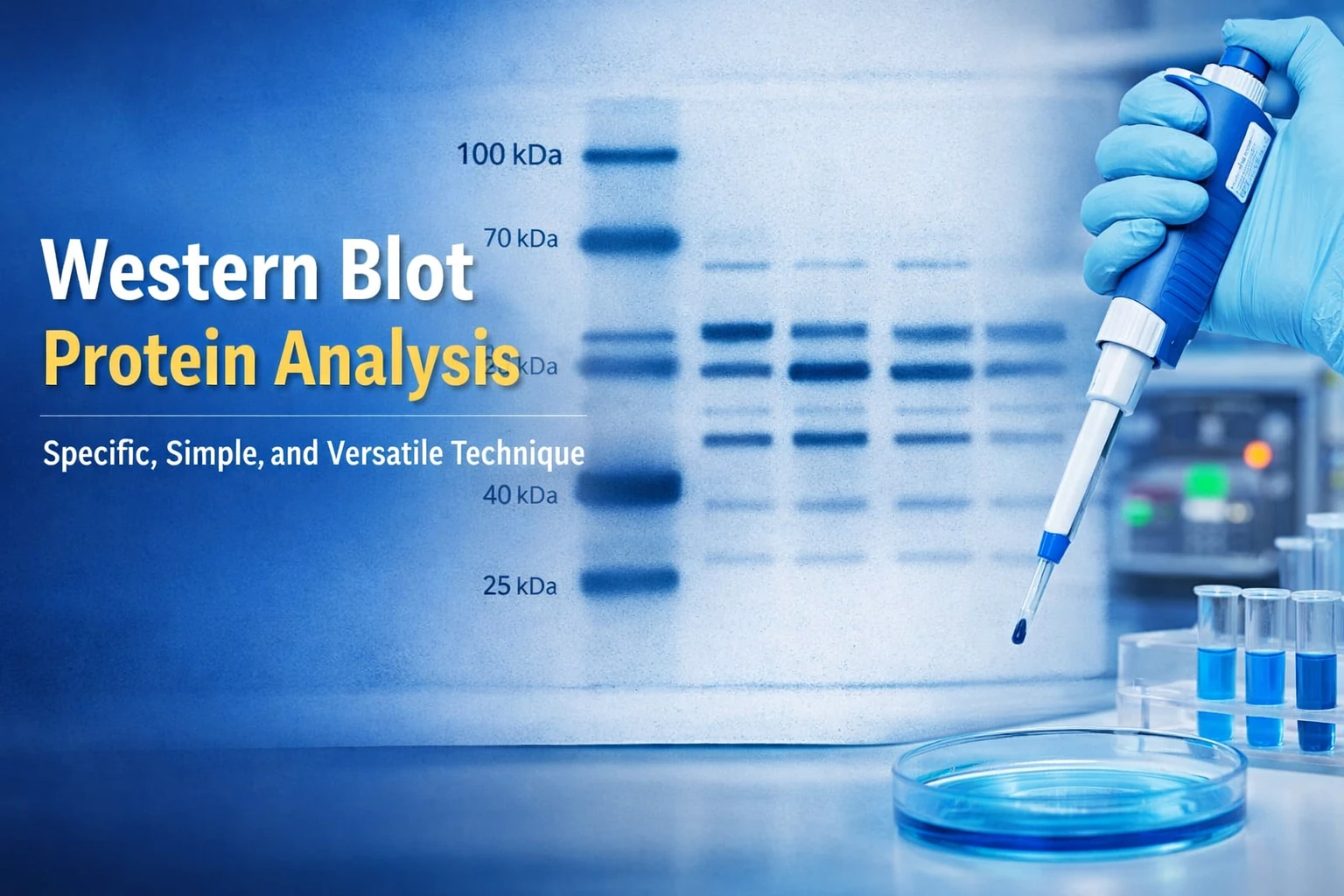
SDS-PAGE is widely used to separate proteins under denaturing conditions. Sodium dodecyl sulfate helps unfold proteins and gives them a broadly similar charge-to-mass relationship, so migration through the gel primarily reflects molecular weight. Researchers use this technique to examine protein expression, compare samples, and support other laboratory investigations.
A Mini Vertical Protein Electrophoresis Unit is designed for workflows that use vertical gel formats. The cell itself does not identify proteins or guarantee analytical accuracy. Those outcomes depend on sample preparation, gel composition, suitable operating conditions, and subsequent analysis.
The term mini gel electrophoresis system can describe different equipment categories. Vertical protein electrophoresis cells and horizontal nucleic acid electrophoresis tanks are not interchangeable simply because both use compact gel formats.
| Feature | Mini vertical system | Mini horizontal system |
| Typical gel type | Polyacrylamide | Agarose |
| Common applications | Protein separation, SDS-PAGE | DNA/RNA separation |
| Gel support | Glass plates or compatible gel cassettes | Horizontal gel tray |
| Common consumables | Combs, spacers, glass plates, compatible precast gels | Gel trays, combs, agarose gels |
| Main compatibility concern | Plate dimensions, cassette format, sealing | Tray dimensions, comb format, gel size |
This distinction helps narrow equipment selection to the intended laboratory method rather than the product name alone.
Gel geometry determines whether the cell can accommodate the required plates, spacers, and combs. Thickness affects the gel format and sample-loading arrangement, while the number of wells determines how many samples can be loaded onto each gel. Actual throughput also depends on sample preparation, the number of gels run together, and the laboratory workflow.
The WIX-easyPRO2 specifications .
| Specification | WIX-easyPRO2 |
| Gel capacity | 1–2 gels |
| Gel dimensions | 83 × 73 mm |
| Standard gel thickness | 1.0 mm |
| Optional gel thicknesses | 0.75 mm and 1.5 mm |
| Comb configurations | 10-well and 15-well |
| Short glass plate | 100 × 73 mm |
| Spacer glass plate | 100 × 83 mm |
| Platinum electrode diameter | 0.25 mm |
| External dimensions | 180 × 130 × 160 mm (L × W × H) |
The 10-well and 15-well options provide different sample-loading arrangements. Thinner or thicker gels may suit different protocol requirements, but the selected comb, spacers, and glass plates must match the intended configuration.
Hand-cast gels give laboratories control over gel preparation, including the formulation and selected thickness. Precast gels offer a commercially prepared format that can reduce the need for in-house casting. Both approaches require a compatible electrophoresis cell.
Compatibility depends on the plate or cassette geometry, gel dimensions, thickness, and sealing arrangement. A gel that fits the general category of a mini protein electrophoresis system may still be unsuitable for a particular cell.
The WIX-easyPRO2 is specified as compatible with BIO-RAD mini-PROTEAN TGX precast gels. This is a defined compatibility statement, not confirmation that every precast gel from every manufacturer will fit. Checking the exact gel format against the product documentation helps avoid assembly problems and leakage.
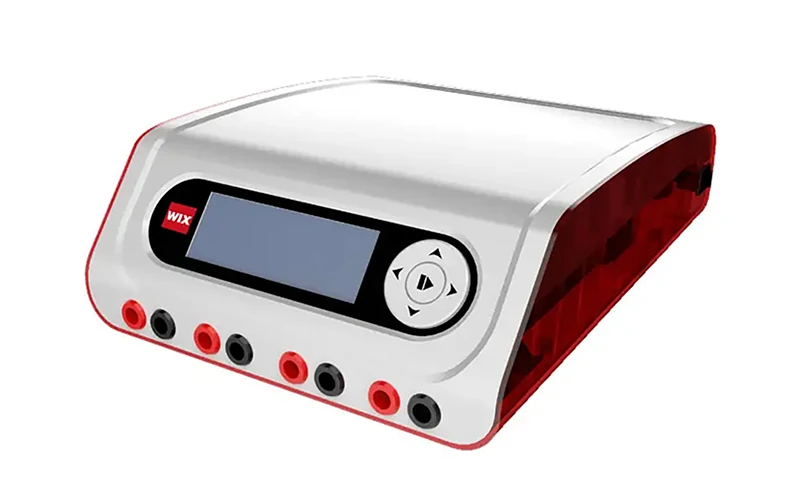
Electrodes establish the electrical connection that produces the field required for electrophoresis. The WIX-easyPRO2 uses a platinum electrode with a specified diameter of 0.25 mm. Electrode construction is one part of the equipment configuration, alongside the gel chamber, buffer arrangement, and compatible power supply.
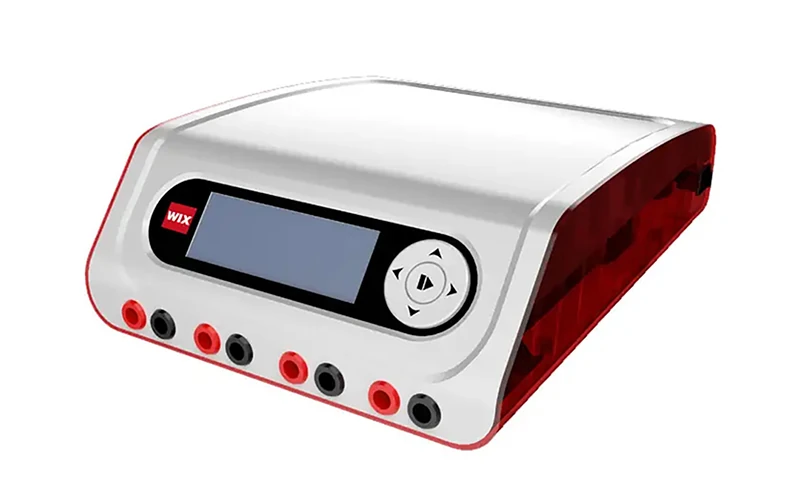
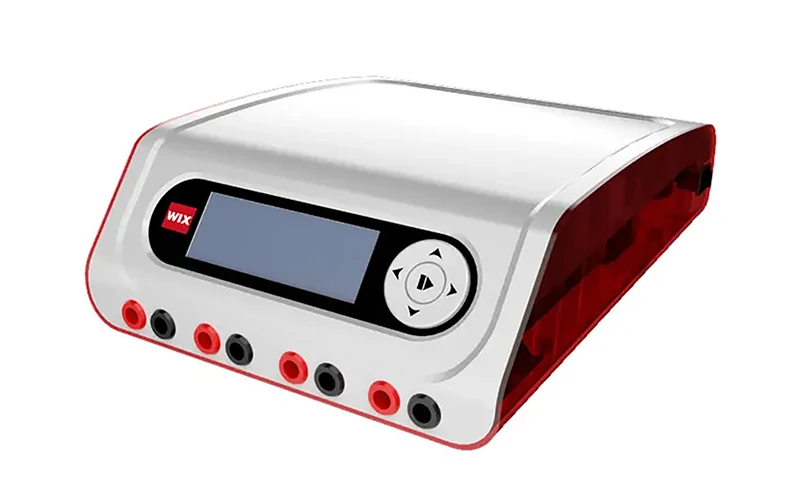
The electrophoresis cell and power supply are separate equipment functions, even when supplied as part of a larger package. Voltage and current settings, buffer requirements, and operating limits should follow the applicable user manual and experimental protocol. Values should not be assumed from the cell’s physical dimensions or electrode material.
Gel casting requires the glass plates and spacers to remain correctly positioned while the gel solution is introduced and sets. Misalignment can create uneven gaps or compromise the seal, leading to leakage or an unsuitable gel shape.
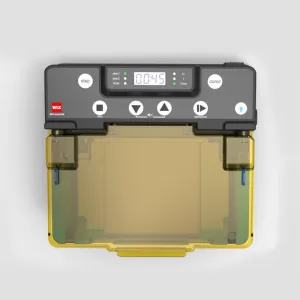
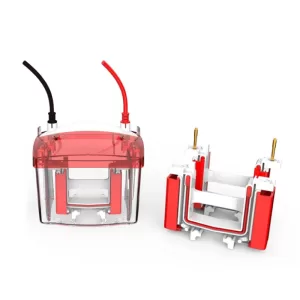
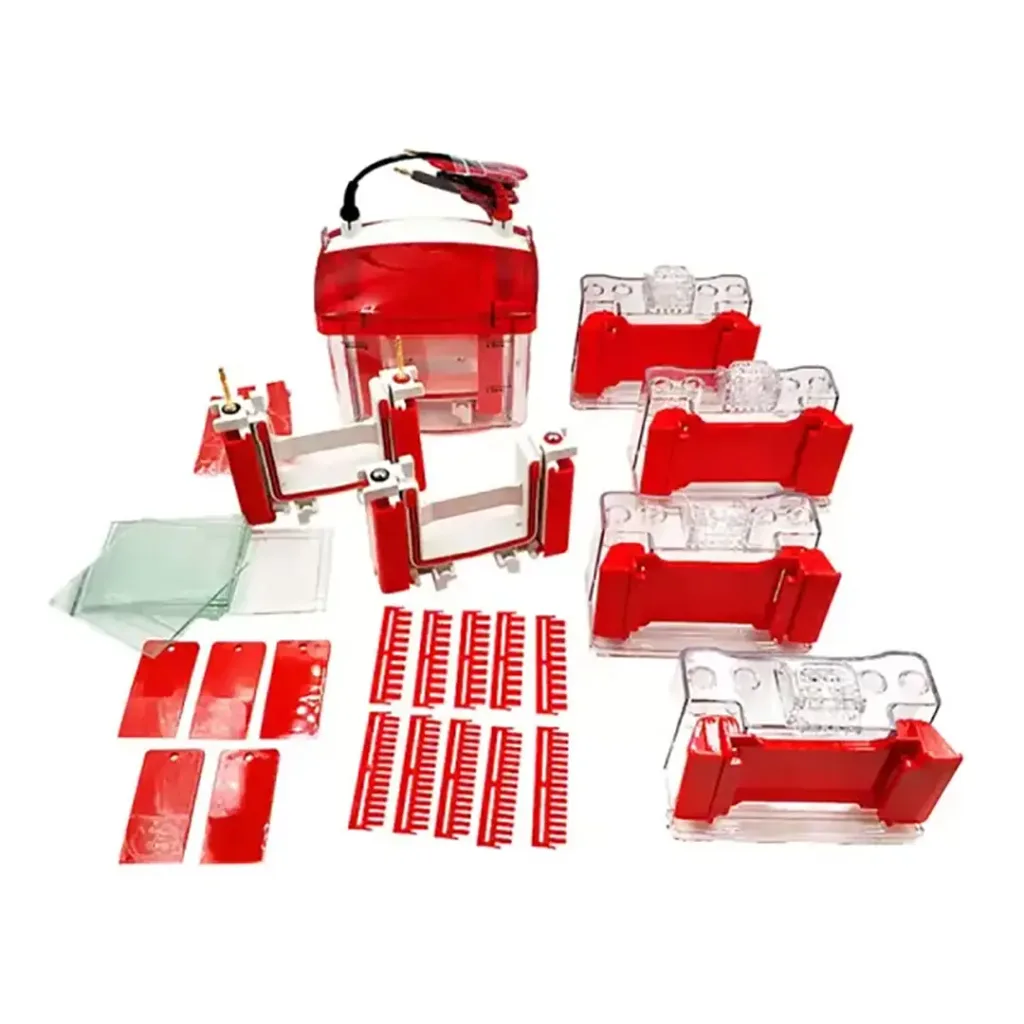
The WIX-easyPRO2 gel-casting frame incorporates a flat glass support at its base to help keep the plate stable. A supporting foot helps prevent the glass plate from slipping out of the frame, while the cam-style design assists plate alignment. Its flat construction also allows the casting process to remain visible.
These features address common handling tasks during preparation. They do not, by themselves, establish a measured reduction in casting defects or guarantee that every gel will form correctly. Proper plate placement, clean contact surfaces, and adherence to the casting procedure remain important.
The locking mechanism influences how the glass plates are held in position and how pressure is applied to the sealing surfaces. In the WIX-easyPRO2, the press-lock structure secures the plates, while the sliding wedge side fastener presses the short glass plate against the sealing gasket.
The electrophoresis core also uses sliding round bars that lift the short glass plate as the unit closes. This reduces the need to lift the plate manually during assembly. The push-pull fastening arrangement is intended to make opening and closing more straightforward.
These mechanisms connect the product’s mechanical design with practical preparation and assembly. Their effectiveness still depends on using compatible components and following the correct assembly sequence.
Leakage during casting often results from a mismatch between the gel components and the assembly. Common causes include:
A press-lock mechanism does not remove the need for inspection. Checking the plates, spacers, and gasket before casting, and following the manufacturer’s assembly instructions, helps identify problems before the gel is prepared.
The WIX-easyPRO2 combines a compact gel chamber with a casting frame intended to simplify plate positioning and assembly. Its capacity of one or two gels accommodates different batch sizes, while the 0.75 mm, 1.0 mm, and 1.5 mm thickness configurations allow laboratories to match the gel format to their protocols.
The 10-well and 15-well comb options provide different sample-loading capacities per gel. Compatibility with BIO-RAD mini-PROTEAN TGX precast gels offers a specified alternative to hand-cast gels, subject to the applicable instructions and format requirements.
Its flat glass support, cam-style alignment frame, press-lock construction, and sliding wedge side fastener address the mechanical steps involved in gel preparation. The 0.25 mm platinum electrode is another defined component of the system. Together, these specifications provide a practical basis for evaluating whether the cell fits an existing protein electrophoresis workflow.
A mini protein electrophoresis system should be assessed as a complete working arrangement rather than by a single feature. Gel format, consumables, power supply, buffer requirements, and assembly procedures all affect how the equipment integrates into laboratory work.
The WIX-easyPRO2 may suit compatible protein electrophoresis workflows in university life-science laboratories, pharmaceutical and biotechnology research facilities, and hospital or third-party laboratories conducting research. Agricultural, food-safety, and other specialist laboratories may also use vertical protein electrophoresis where the method fits their analytical procedures.
The available gel thicknesses and comb configurations allow the setup to be selected according to sample-loading requirements. The one- or two-gel capacity offers a choice between running a single gel and processing two gels simultaneously.
These are potential research applications, not a claim that the product has been independently validated for clinical diagnosis or every regulated laboratory environment. Suitability depends on the laboratory’s method, quality requirements, documentation, and applicable procedures.
When evaluating a mini protein electrophoresis cell, laboratories can compare the following criteria across relevant vertical models.
| Comparison criterion | Why it matters |
| Gel capacity | Indicates how many gels can be run simultaneously |
| Gel dimensions | Determines compatibility with the required gel format |
| Thickness and comb options | Supports different sample-loading configurations |
| Precast gel compatibility | Helps prevent format mismatch and sealing problems |
| Casting-frame design | Affects plate positioning and gel preparation |
| Electrode material and construction | Relevant to equipment configuration and maintenance |
| Accessories and replacement parts | Influences ongoing operating costs |
| Documentation and warranty | Supports technical evaluation and procurement |
The term mini protean tetra vertical electrophoresis cell may appear in searches for specific vertical electrophoresis equipment. Similar product terminology does not establish dimensional or accessory compatibility. Exact model designations, gel formats, and manufacturer specifications remain the appropriate basis for comparison.
The initial quotation may not represent the full cost of putting a system into operation. The equipment package should be reviewed for the electrophoresis cell, gel-casting frames, combs, glass plates, spacers, and other required accessories. A compatible power supply may be included or purchased separately.
Replacement combs, glass plates, and gaskets can also affect ongoing costs. Cleaning instructions, storage requirements, and routine inspection procedures matter because they influence day-to-day handling and component care. Reviewing the complete package makes it easier to compare quotations on an equivalent basis.
A technical evaluation should include the user manual, assembly instructions, operating requirements, and relevant conformity documentation. Any certification claim should match the certificate’s issuing body, scope, validity, and applicability to the product or manufacturer. ISO 9001 relates to quality management systems; it should not be presented as product certification.
Warranty terms, delivery lead times, technical support, and replacement-part arrangements should be established in the quotation or supporting documentation rather than assumed.
Mini vertical systems commonly use polyacrylamide gels for protein separation, including SDS-PAGE. Mini horizontal systems generally use agarose gels for DNA/RNA separation. The two types differ in gel support, consumables, and equipment configuration.
Some systems support both, but compatibility depends on plate dimensions, cassette format, gel thickness, and sealing design. The WIX-easyPRO2 is specified as compatible with BIO-RAD mini-PROTEAN TGX precast gels. Other formats require separate compatibility confirmation.
The WIX-easyPRO2 accommodates one or two gels. This refers to the number of gels that can be run together, not the number of sample wells. The available comb configurations include 10-well and 15-well options.
Common causes include misaligned glass plates, incorrectly positioned spacers, contaminated or damaged sealing surfaces, uneven locking pressure, and incompatible components. Correct assembly and routine inspection remain necessary even when the system uses a press-lock mechanism.
A mini gel electrophoresis system supports protein separation by providing a controlled platform for vertical gel operation, while reliable results depend on the combined performance of the gel, buffer system, sample preparation, and operating conditions. Key factors such as gel size, thickness, comb configuration, precast gel compatibility, and equipment design should be considered when evaluating a suitable electrophoresis cell.
The WIX-easyPRO2 provides a defined configuration with one- or two-gel capacity, multiple thickness options, compatible comb formats, and structural features designed for gel alignment and sealing. These specifications offer a reference for laboratories assessing whether the system matches their protein electrophoresis requirements.
For laboratories evaluating the WIX-easyPRO2 for vertical protein separation workflows, contact the supplier to request a quotation, detailed technical specifications, and confirmation of gel compatibility based on your laboratory requirements.