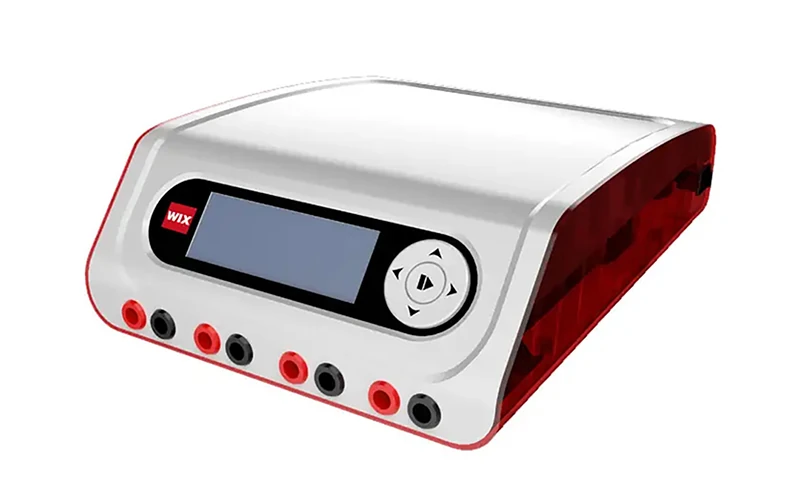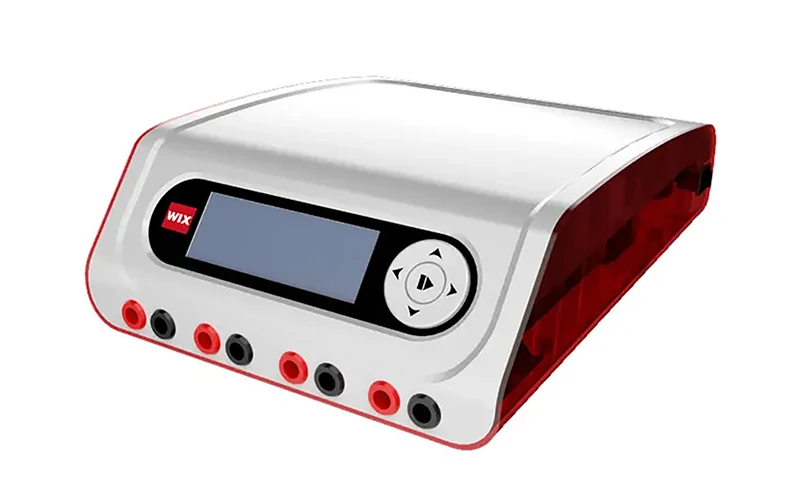
Do You Have Interest in Electrophoresis Tanks?
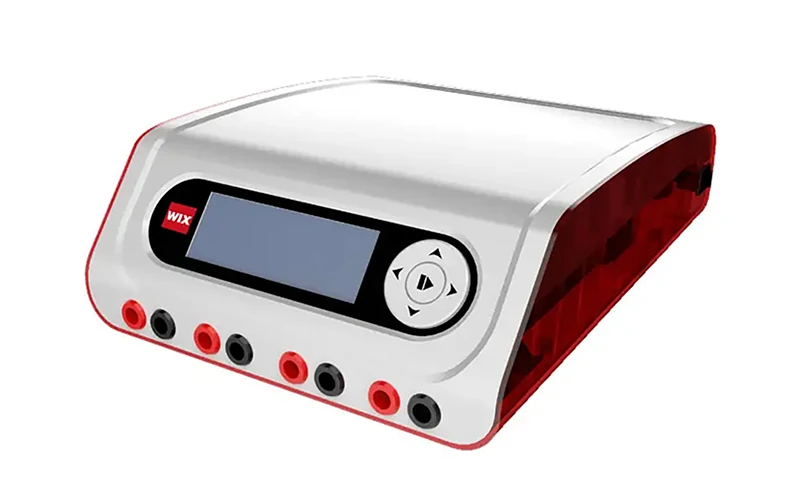
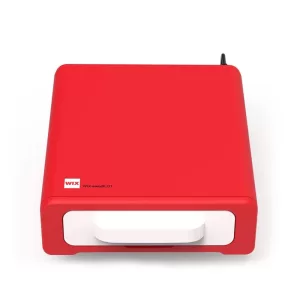
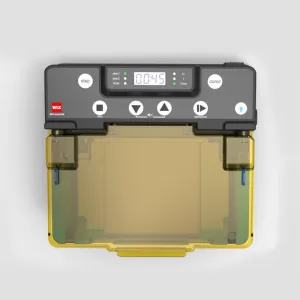
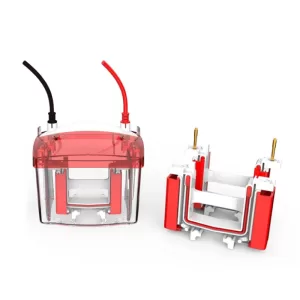
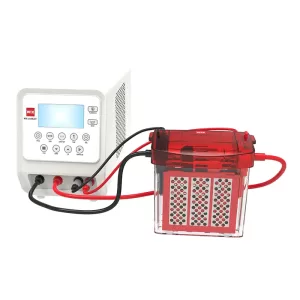
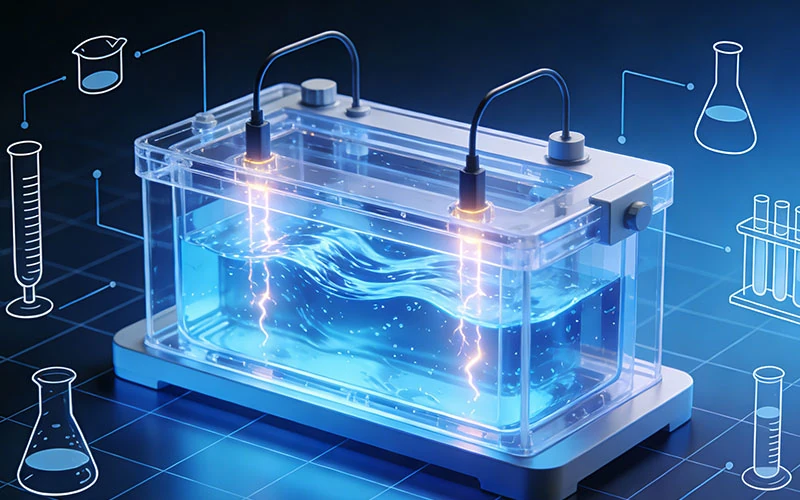
An electrophoresis tank is a core device used to hold electrophoresis buffer and samples in electrophoresis experiments. Its design and performance directly affect the accuracy and reproducibility

In life science research, inconsistent sample handling can create challenges for laboratories that require repeatable experimental workflows. Differences in manual operation, unsuitable shaking modes, or equipment limitations may affect the efficiency and consistency of routine procedures such as microbial culture, protein gel processing, and membrane incubation.
Selecting the right laboratory equipment is not only about finding a device that provides movement. Different applications require different shaking patterns and operating conditions. A shaker designed for bacterial and yeast culture may not be suitable for protein gel staining or Western blot membrane incubation.
For research institutes, biotechnology companies, hospitals, and laboratory equipment distributors, choosing the right shaker manufacturer means evaluating application compatibility, product reliability, quality standards, and long-term technical support. Considering these factors allows laboratories to choose a shaker that fits their experimental procedures and daily operating needs.
A laboratory shaker is an instrument designed to create controlled mechanical movement for laboratory samples. Depending on the design, a shaker can provide different movement patterns, such as circular, linear, tilting, or three-dimensional motion.
In life science research, different shaking patterns are selected according to the requirements of specific procedures. For example, microbial culture may require orbital movement to maintain consistent mixing conditions, while protein-related workflows may require gentle and stable movement during staining or incubation steps.
Unlike general mixing equipment, laboratory shakers are designed for controlled laboratory environments where repeatability and operational stability are important considerations.
Common applications include:
The selection of a suitable shaker should therefore start with understanding the laboratory workflow rather than simply selecting equipment based solely on specifications.
Many biological experiments involve multiple preparation and processing steps. During these procedures, uneven movement or inconsistent manual handling may affect the uniform contact between samples and solutions.
By maintaining consistent motion conditions, laboratory shakers help improve repeatability in procedures that require continuous sample movement. This is particularly useful for laboratories performing repeated experiments where consistency in operation is required.
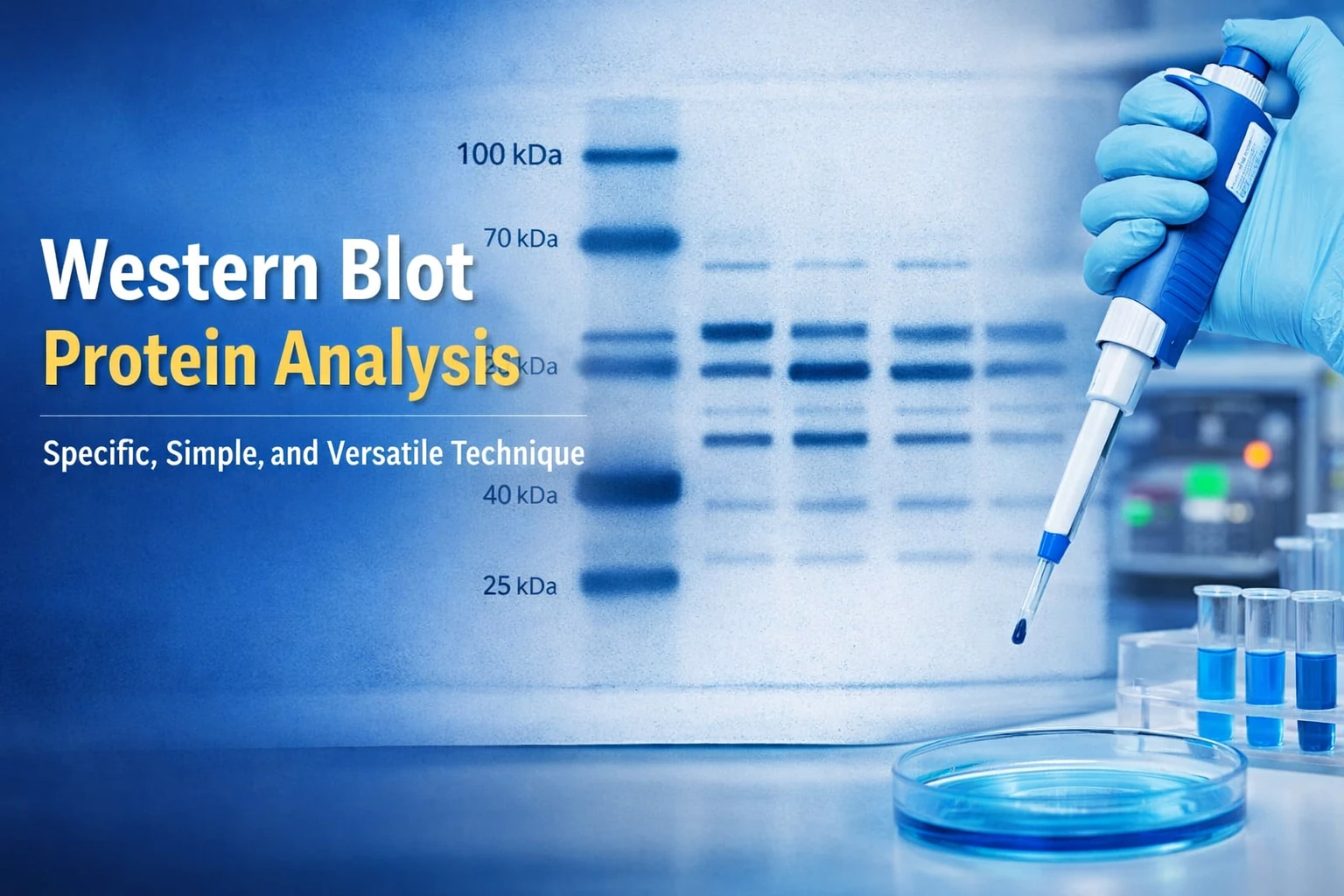
For example, during membrane incubation in Western blot workflows, controlled movement can help maintain contact between membranes and solutions during blocking or antibody incubation steps.
Protein research often involves several connected procedures, from protein separation to visualization.
After protein electrophoresis, researchers may need to perform gel staining and decolorization before further analysis. During these steps, a suitable shaker can provide stable movement to support uniform interaction between the gel and staining solutions.
Although a shaker does not replace electrophoresis equipment or imaging systems, it plays an important supporting role in the overall protein analysis workflow.
In research environments, many procedures need to be repeated with similar operating conditions. Manual shaking methods can be difficult to standardize, especially when laboratories process multiple samples.
A dedicated laboratory shaker allows researchers to perform shaking movement procedures in a more controlled way, helping reduce manual workload and improve workflow organization.
Laboratory workflows vary considerably, and each application requires a specific type of shaking motion. Selecting the appropriate shaker type depends on the sample characteristics, experimental procedures, and the level of movement control required.
The following table provides an overview of common laboratory shaker types and their typical applications:
| Shaker Type | Main Movement | Typical Applications |
| Circular Shaker | Orbital circular motion | Bacterial and yeast culture |
| Linear Shaker | Back-and-forth linear movement | Protein gel staining and decolorization |
| Tilting Shaker | Tilting movement | Western blot membrane blocking and antibody incubation |
| 3D Shaker | Multi-directional movement | Co-IP and Western blot workflows |
Circular shakers use orbital movement and are commonly applied in microbiology-related procedures. The continuous circular motion helps maintain consistent mixing conditions during bacterial and yeast culture processes.
When selecting a circular shaker, laboratories should consider factors such as sample volume, container compatibility, and whether the shaking speed meets the requirements of the culture workflow.
In protein research workflows, gel processing is an important step following protein electrophoresis. After proteins are separated, gels may require staining and decolorization procedures for further visualization and analysis.
Linear shakers provide back-and-forth movement, which is suitable for applications where stable and uniform solution contact is needed during gel processing.
For laboratories performing regular protein-related experiments, selecting a shaker that matches the gel processing workflow can help improve operational consistency.
Western blot workflows involve several preparation steps, including membrane blocking and antibody incubation. During these procedures, maintaining appropriate contact between membranes and solutions is important.
Tilting shakers provide gentle angled movement, making them suitable for applications that require controlled liquid movement around membranes. This type of shaker is commonly considered for laboratories performing protein detection procedures.
Some molecular biology applications require movement in multiple directions rather than a single shaking pattern.
Three-dimensional shakers provide multi-directional motion and can be used in specialized workflows such as Co-IP and Western blot related procedures. Their movement design allows laboratories to handle applications where more complex sample positioning is required.
The movement mode is one of the most important factors when selecting laboratory equipment.
Different applications require different types of motion. Circular movement is commonly associated with culture applications, while linear movement is often suitable for gel-related procedures. Tilting and three-dimensional movement are used for specific molecular biology workflows where gentle and multidirectional motion is required.
Before purchasing a shaker, laboratories should evaluate:
Choosing a shaker based on actual laboratory needs can help avoid equipment mismatches.
For life science applications, stable operation is a key consideration.
A suitable shaker should provide consistent movement during laboratory procedures. Factors such as mechanical design, operating stability, and ease of use can influence the overall user experience.
For research laboratories, reliability is especially important because equipment is often used regularly as part of established experimental workflows.
Laboratories often perform multiple types of experiments, and equipment flexibility can be an important purchasing consideration.
For example, a biotechnology company may require equipment for microbial culture as well as protein-related procedures. A research institute may need solutions that support both routine laboratory preparation and molecular biology applications.
Therefore, selecting a shaker with different movement options can provide greater flexibility for various life science workflows.
When purchasing laboratory equipment, selecting a supplier is as important as selecting the equipment itself. A reliable shaker manufacturer should not only provide suitable products but also demonstrate consistent manufacturing capabilities, quality control systems, and long-term customer support.
For research institutes, biotechnology companies, and laboratory equipment distributors, several factors should be considered before establishing a supplier relationship.
A professional manufacturer should offer different shaker solutions to meet various laboratory requirements. Since life science workflows can involve different procedures, such as microbial culture, protein-related experiments, and molecular biology applications, a diverse product range allows customers to select equipment based on specific needs.
For distributors, working with a manufacturer that provides multiple application options can also help serve different customer groups more effectively.
Quality management is an important consideration when evaluating laboratory equipment suppliers.
Manufacturers with established quality control systems and relevant certifications can provide greater confidence in product consistency and manufacturing processes.
When selecting a supplier, customers should consider:
These factors are particularly important for laboratories that rely on equipment for routine and long-term operation.
For international laboratory equipment markets, flexible cooperation models can be valuable for both manufacturers and business partners.
A capable shaker manufacturer should have experience supporting different cooperation requirements, including OEM projects and distributor partnerships. This requires not only manufacturing capability but also communication support, product customization capability, and reliable supply capability.
Laboratory equipment is often used as part of continuous research workflows, making after-sales support an important factor in supplier selection.
A reliable supplier should provide timely technical assistance, product guidance, and solutions for potential operational issues.
Strong after-sales support helps customers maintain stable equipment usage and contributes to long-term cooperation between manufacturers and users.
Choosing a laboratory shaker requires balancing application requirements, equipment reliability, and supplier capability. Based on these considerations, WIX Technology provides laboratory shaker solutions designed for different life science workflows, including microbiology, protein research, and molecular biology applications.
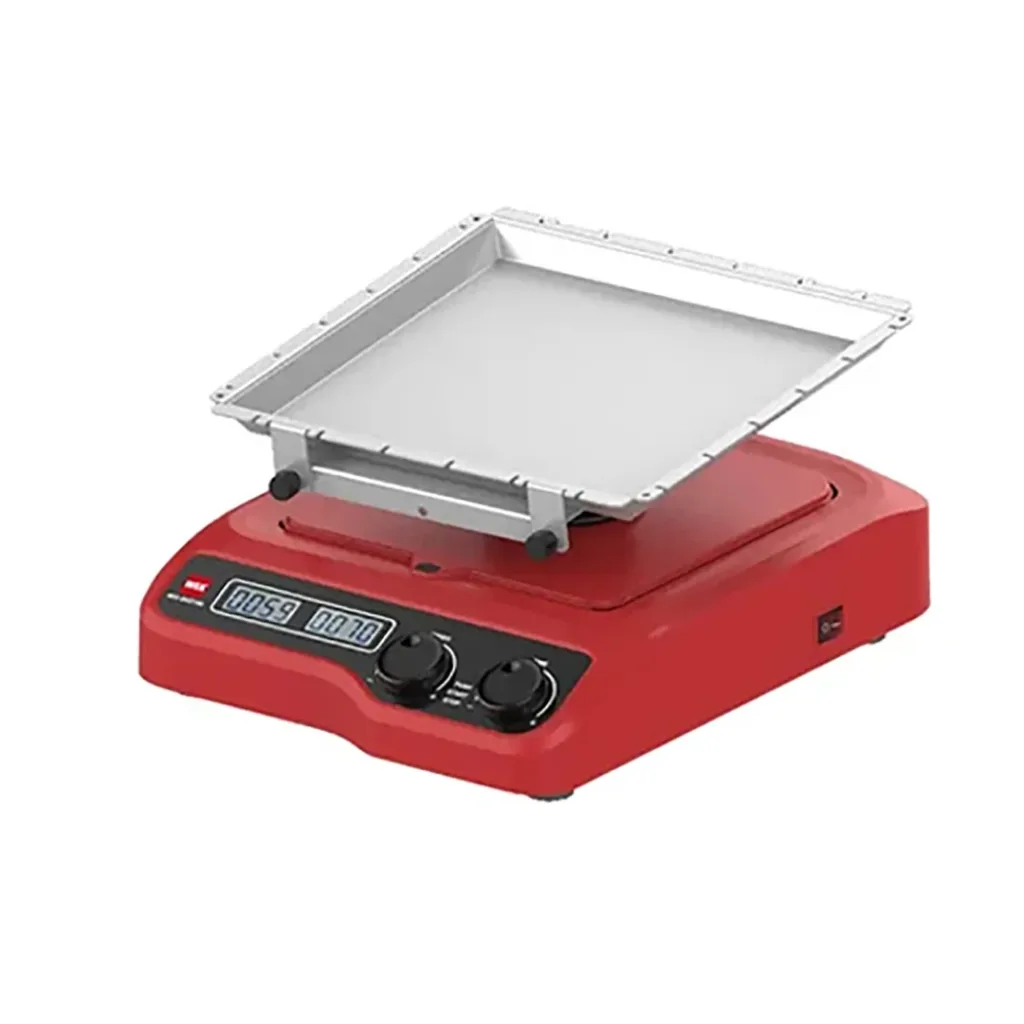
Laboratories often use shakers in different experimental stages, and a single movement mode may not meet every requirement. WIX Technology offers multiple shaker designs to accommodate different workflows.
The product range includes:
| Model | Application |
| NC Circular Shaker | Bacterial and yeast culture |
| NC Linear Shaker | Protein gel staining and decolorization |
| NC Tilting Shaker | Western blot membrane blocking and antibody incubation |
| NC 3D Shaker | Co-IP and Western blot workflows |
This application-oriented product design allows laboratories to select suitable shaking solutions according to their experimental procedures.
For life science laboratories, equipment reliability is essential because many procedures are part of routine and repeated workflows.
WIX Technology applies standardized manufacturing processes and quality management practices to ensure consistent product quality. The company’s laboratory shaker products comply with CE requirements and are manufactured under an ISO 9001-certified quality management system.
In addition to providing laboratory shaker products, WIX Technology works with global partners through distributor cooperation and OEM services.
With experience in international business cooperation, the company supports customers looking for stable supply, flexible cooperation models, and long-term technical support.
A: Yes. WIX Technology supports both OEM projects and distributor partnerships. The company works with global customers to provide laboratory shaker solutions based on different market and application requirements.
A: WIX Technology laboratory shaker products comply with CE requirements and are manufactured under an ISO 9001-certified quality management system, supporting consistent production and quality control.
A: The selection depends on the required shaking mode and application. Circular shakers are commonly used for bacterial and yeast culture, while linear, tilting, and 3D shakers are suitable for applications such as protein gel processing and Western blot workflows.
Selecting the right laboratory shaker can help laboratories build more consistent and efficient experimental workflows. Whether supporting microbial culture, protein gel processing, protein electrophoresis, or Western blot procedures, a suitable shaker should align with both current applications and future research requirements.
By partnering with an experienced shaker manufacturer, laboratories, distributors, and research organizations can access reliable equipment solutions backed by professional support and long-term cooperation. If you are looking for a laboratory shaker solution tailored to your specific application needs, contact WIX Technology to identify a shaker configuration suitable for your application.