Do You Have Interest in Electrophoresis Tanks?
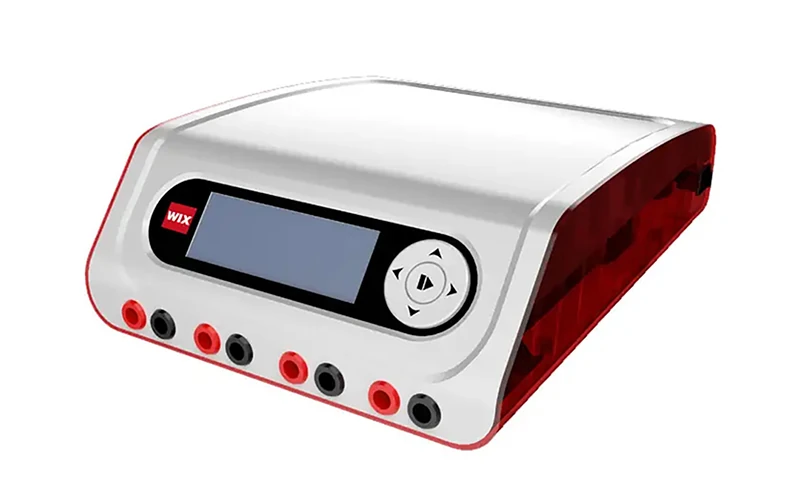
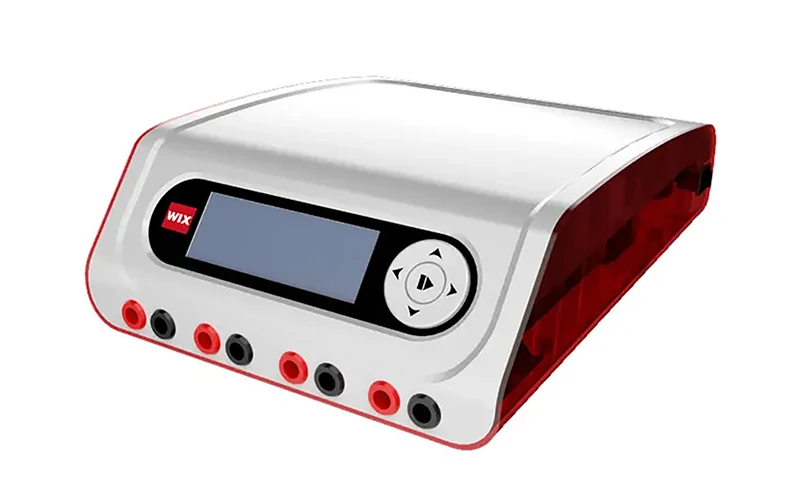
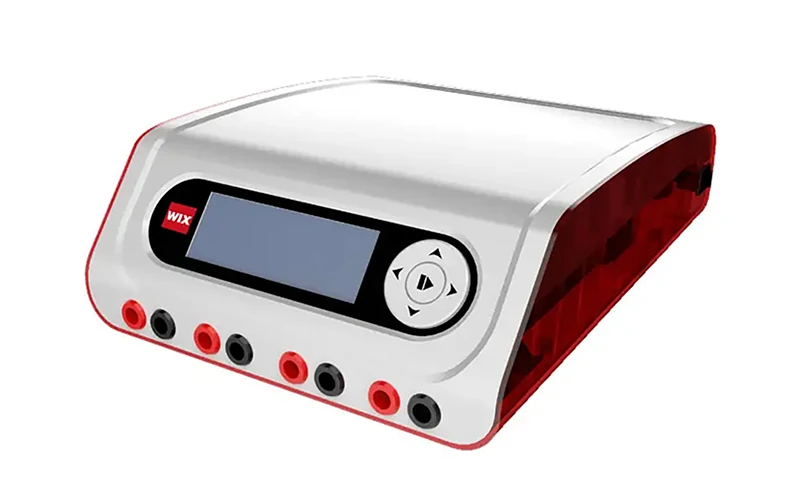
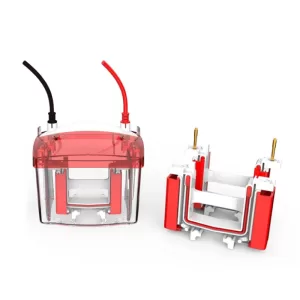
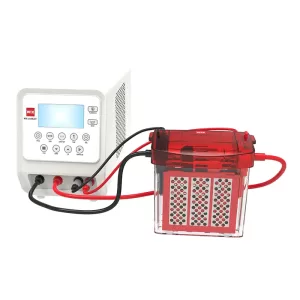
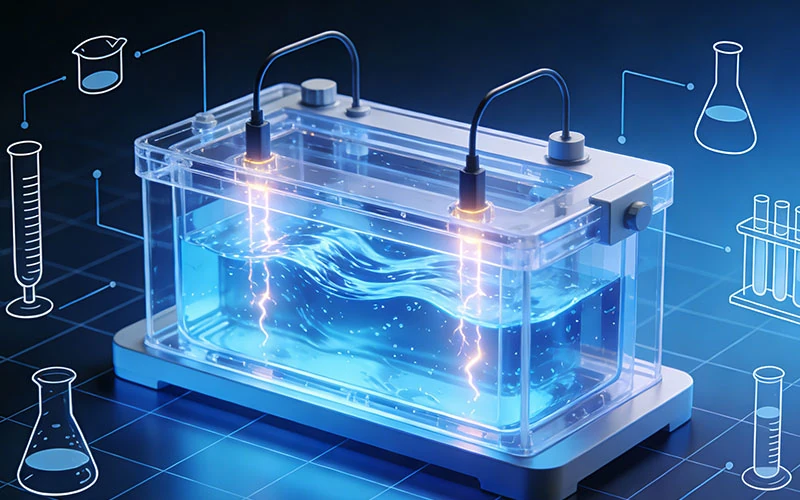
An electrophoresis tank is a core device used to hold electrophoresis buffer and samples in electrophoresis experiments. Its design and performance directly affect the accuracy and reproducibility

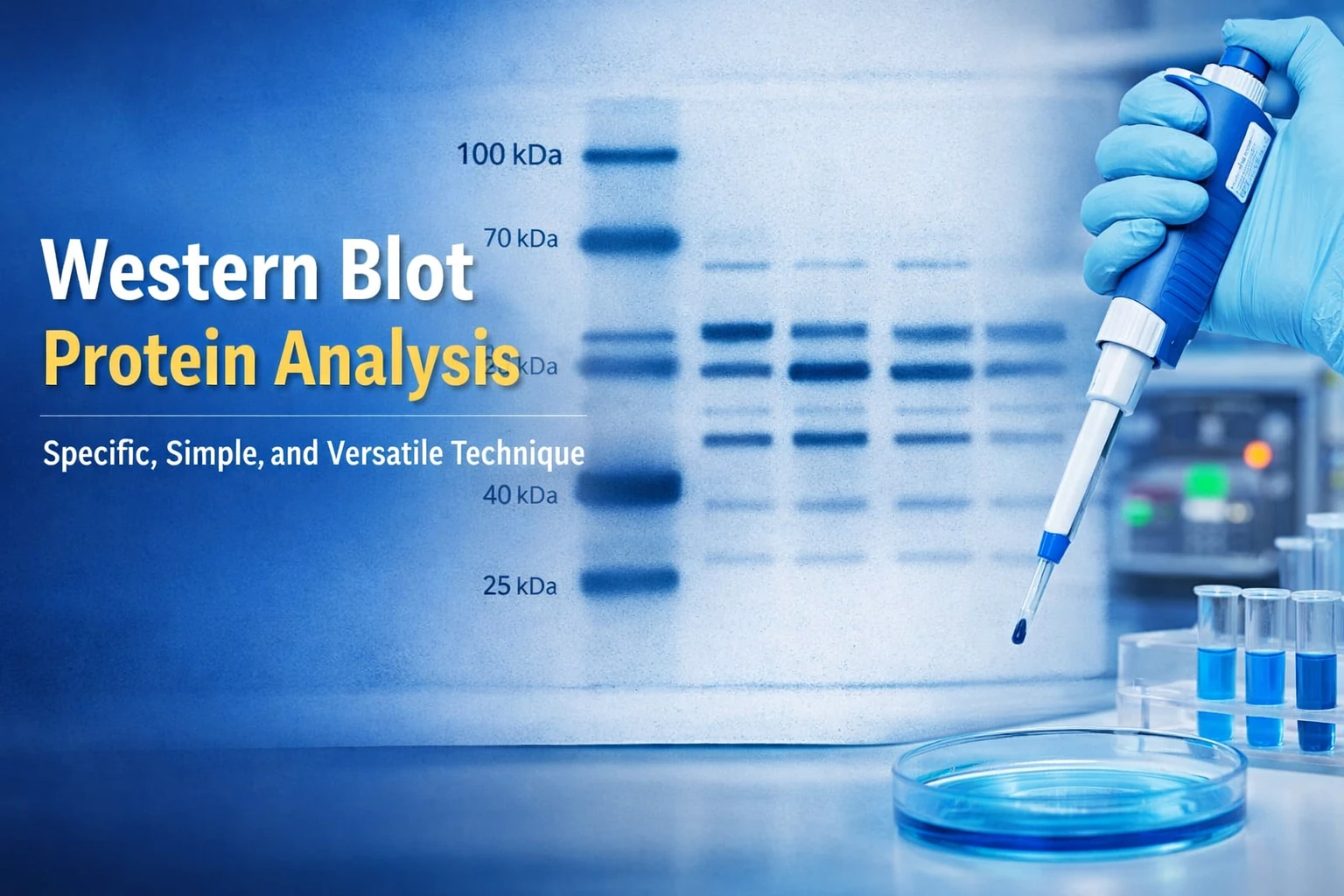
Western blotting is a widely used method for detecting specific proteins in biological samples. A typical workflow includes electrophoresis, protein transfer, membrane blocking, primary antibody incubation, washing, secondary antibody incubation, further washing, and signal detection.
The transfer step is only one part of the process. Once proteins have been transferred to the membrane, researchers still need to manage several incubation and washing stages. When only a few membranes are involved, these tasks may be straightforward. As sample numbers increase, however, repeated liquid handling and timing become more demanding.
An automatic Western blot instrument focuses on these repetitive post-transfer steps by reducing the amount of manual intervention required. The main question for laboratories is how much of the routine processing can be standardized without limiting experimental flexibility.
Manual membrane processing requires consistent reagent handling and timing. Blocking and antibody incubation depend on maintaining suitable contact between the membrane and solution, while washing involves repeated buffer changes and membrane handling.
These tasks are easy to repeat but can become harder to standardize when many membranes are processed together. An Western blot apparatus with programmable processing can help by applying defined operating sequences instead of relying entirely on manual timing.
Antibody use is another consideration for laboratories performing Western blot experiments regularly. Required volumes depend on membrane dimensions, antibody concentration, incubation conditions, and the laboratory’s established protocol. Manual recovery and transfer can also add handling steps.
For this reason, reagent management is worth considering when comparing western blot transfer systems and automated processing platforms. Automation does not by itself guarantee lower reagent costs, but controlled delivery and recovery can make antibody use easier to manage.
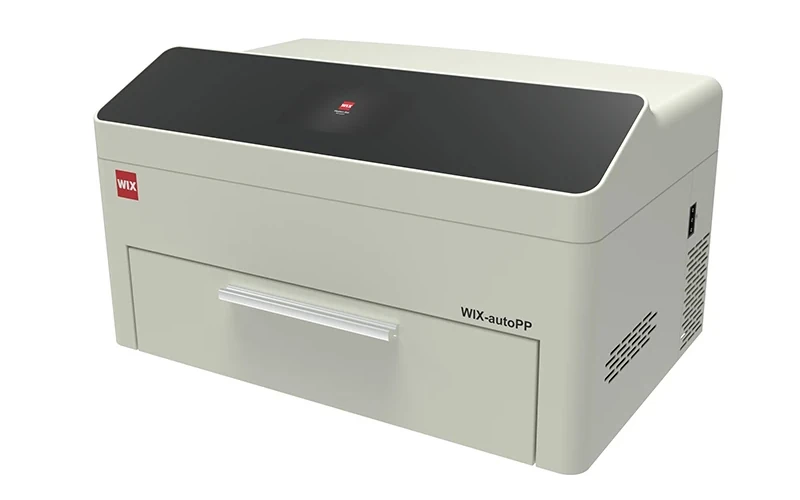
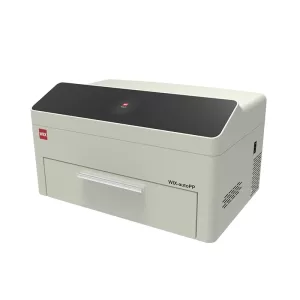
WIX-autoPP enables automatic recycling of primary and secondary antibodies for up to 10 reuse cycles.Its removable incubation tanks slide into and out of the incubation bay, making reagent loading and recovery more convenient.
The number of membranes being processed has a direct effect on technician workload. With manual operation, each additional membrane may mean more reagent changes, washing steps, and timing checks.
WIX-autoPP uses 12 incubation tanks and can accommodate up to 24 membranes simultaneously. More importantly, the tanks can operate under separate programs. This allows samples with different antibodies or processing conditions to be arranged in the same run instead of forcing every membrane through an identical sequence.
Sound prompts indicate when key programs or steps are completed, allowing operators to return to the instrument when their input is actually needed.
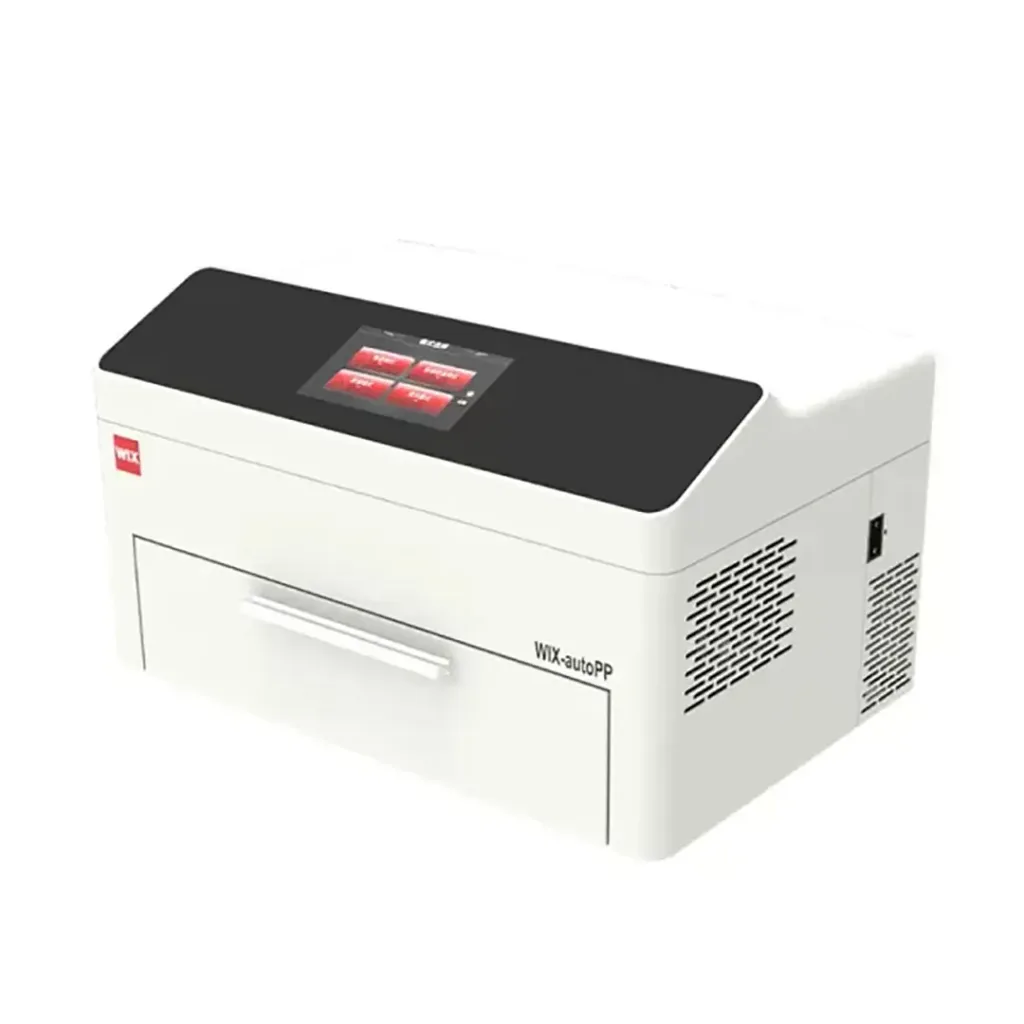
After the required reagents are loaded, WIX-autoPP can automate blocking and antibody incubation according to the programmed workflow.
Primary and secondary antibodies are added through a mechanical-arm pipetting workstation. Before each pipetting operation, the pipette is automatically cleaned, which helps limit the risk of reagent carryover between additions.
The independent incubation arrangement is useful when several targets need to be examined in one batch. Different tanks can contain different antibody combinations, while their programs are controlled separately.
The result is a more structured post-transfer workflow: instead of manually repeating the same sequence for each membrane, the operator sets the required conditions and allows the instrument to carry out the programmed process.
Not every membrane necessarily requires the same incubation conditions. WIX-autoPP therefore provides several operating modes:
Different tanks can be assigned different programs, and applicable samples can be incubated asynchronously. This gives laboratories greater flexibility when several experimental conditions need to be handled in one run.
Temperature control should be viewed as a way to maintain the programmed conditions of the protocol. It does not, by itself, guarantee better biological results, since final Western blot performance also depends on sample preparation, antibodies, transfer quality, and other experimental variables.
Washing is a repeated part of most Western blot protocols. Manual washing requires researchers to change buffers and monitor the process at several points.
WIX-autoPP automates the washing sequence and can retain washing buffer in the sample tray to help maintain membrane moisture. After the programmed procedure is finished, the pipelines are automatically cleaned to remove residual reagent.
This combination reduces the amount of routine intervention required between processing stages and makes system cleaning part of the programmed workflow rather than a completely separate manual task.
| Workflow Factor | Manual Processing | WIX-autoPP |
| Blocking | Manual reagent handling | Automated programmed processing |
| Primary antibody incubation | Manual setup and monitoring | Automated incubation |
| Secondary antibody incubation | Manual setup and monitoring | Automated incubation |
| Washing | Manual buffer changes | Automated washing |
| Experimental conditions | Mainly operator controlled | Independently programmable tanks |
| Antibody handling | Manual addition and recovery | Automated addition and recycling |
| Parallel processing | Depends on available trays and staff | Up to 12 tanks / 24 membranes |
| Pipette cleaning | Manual or external | Automatic cleaning before pipetting |
| Pipeline cleaning | Manual or external | Automatic cleaning after the program |
| Consumables | Depends on laboratory setup | Compatible with other-brand consumables |
The main benefit of automation is not that it removes every source of variation. Rather, it standardizes the steps that the instrument directly controls.
Programmed incubation and washing reduce dependence on manual timing, while independent tank settings allow researchers to repeat defined conditions across similar experiments. Automatic pipette cleaning also provides a consistent cleaning step before antibody addition.
Other factors remain outside the instrument’s control. Sample quality, electrophoresis, protein transfer, antibody specificity, and detection conditions can all influence the final result. A useful automation strategy should therefore be viewed as one part of a controlled workflow rather than a substitute for good experimental practice.
WIX-autoPP’s antibody recycling function can be useful for laboratories that repeatedly work with the same antibodies. The manufacturer specifies automatic reuse of primary and secondary antibodies for up to 10 cycles.
The system also supports four incubation-tank sizes:
Different tank sizes can be used together. This allows laboratories to configure the incubation area according to their membrane requirements instead of using one fixed tank format for every experiment.
Actual reagent consumption will still depend on the laboratory’s protocol, antibody concentration, membrane size, and reuse practices. These factors should be included in any operating-cost calculation.
Automation can also change how researchers spend their time. Instead of repeatedly returning to the instrument for routine washing or incubation-related operations, users can set the required program and return when a key stage has been completed.
The touchscreen displays the operating status, while sound prompts provide notifications at important points. For laboratories running repeated assays, this can make routine processing easier to organize without requiring continuous instrument supervision.
Capacity should be evaluated together with flexibility. When comparing an automated system, laboratories should ask:
WIX-autoPP combines 12 incubation tanks with a capacity of up to 24 membranes. Its independent programs allow different experimental conditions to be arranged within the same instrument.
An automated system should not create unnecessary restrictions on established laboratory practices.
WIX-autoPP is compatible with other-brand consumables and provides automatic primary and secondary antibody recycling. The mechanical-arm pipetting system also cleans the pipette before each addition, while automatic pipeline cleaning takes place after the program ends.
For laboratories with established antibody protocols, these features can make automation easier to introduce without completely rebuilding the consumables workflow.
Daily usability is another important purchasing factor. A technically capable instrument still needs to be practical for routine laboratory work.
WIX-autoPP offers constant-temperature, ladder-temperature, room-temperature, and washing modes. The incubation tanks slide into and out of the incubation bay, while the touchscreen shows the current program status.
Automatic cleaning functions reduce some routine maintenance work, and sound notifications make it easier to track completed steps. For shared laboratories, these usability features can be especially relevant when multiple researchers operate the same instrument.
Research laboratories often work with different protein targets and antibody combinations from one experiment to another. WIX-autoPP allows these conditions to be assigned to separate incubation tanks and controlled through individual programs.
The system’s parallel capacity can also support laboratories that routinely process larger batches of membranes. Rather than manually managing every incubation and washing stage, researchers can organize several samples within one programmed run.
Pharmaceutical and biotechnology laboratories may perform repeated protein-analysis workflows where consistent processing is important. Automated incubation, washing, and antibody handling can provide a defined routine for these stages.
Antibody recycling may also be relevant when the same reagents are used repeatedly. However, the financial benefit should be calculated from the laboratory’s actual antibody costs and validated reuse practices rather than from a general percentage estimate.
Western blot workflows can also appear in hospital laboratory research, pathology-related studies, third-party testing, agriculture and food-safety research, forensic work, and anti-doping applications.
The requirements differ between these environments. In particular, laboratories considering clinical or diagnostic use should separately verify the applicable regulatory, validation, and intended-use requirements rather than assuming that a research-oriented automated system is clinically validated.
It automates repetitive post-transfer tasks such as blocking, antibody incubation, and washing. This reduces routine manual handling and allows defined processing conditions to be programmed for different incubation tanks.
Yes, depending on the system. WIX-autoPP has 12 incubation tanks and can process up to 24 membranes simultaneously. Individual tanks can also follow different programs.
Automation can provide more controlled reagent handling and recovery. WIX-autoPP automatically recycles primary and secondary antibodies, with the manufacturer specifying reuse for up to 10 times. Actual reagent savings depend on the laboratory’s protocol and antibody usage.
Yes. Different incubation tanks can contain different primary antibodies, secondary antibodies, or blocking buffers. Each tank can operate under its own programmed conditions.
An automated Western blot workflow can reduce the amount of repetitive manual work required after protein transfer. Instead of repeatedly managing blocking, antibody incubation, and washing by hand, researchers can use programmed processing for these stages.
WIX-autoPP combines independently controlled incubation tanks, automated antibody handling, washing, temperature modes, and pipeline cleaning. Its parallel processing capacity and compatibility with other-brand consumables also give laboratories flexibility when adapting the system to existing procedures.
For laboratories evaluating automation, the key considerations are processing capacity, incubation flexibility, reagent management, compatibility, and daily usability. WIX-autoPP combines these functions in a single platform, allowing laboratories to assess whether its configuration matches their existing Western blot workflow.
Contact WIX to discuss your Western blot workflow, membrane capacity, and automation requirements.