Do You Have Interest in Electrophoresis Tanks?
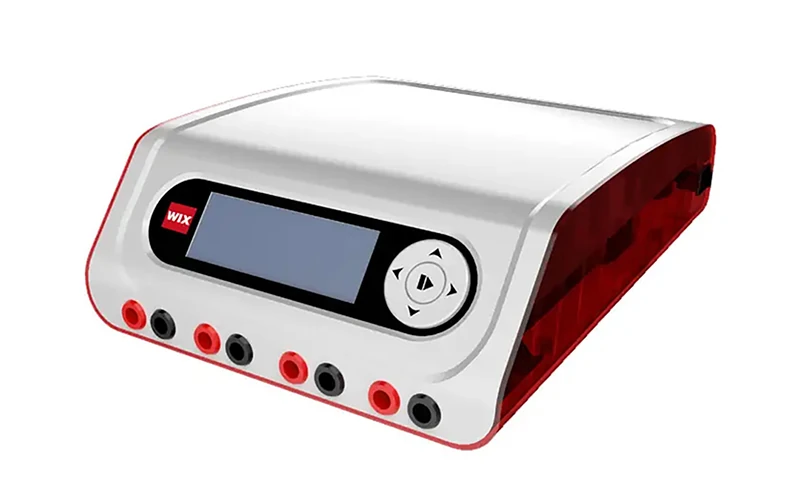
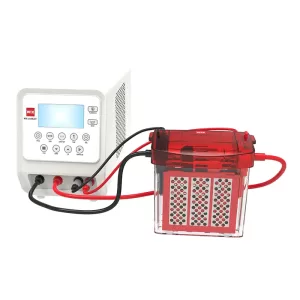
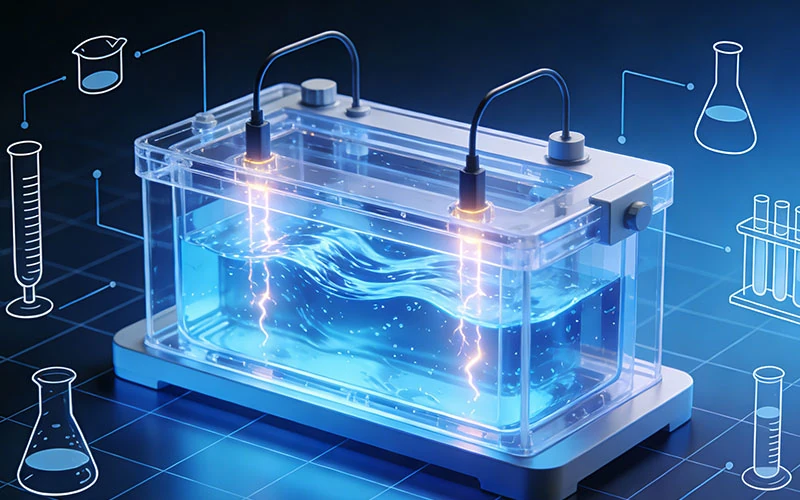
An electrophoresis tank is a core device used to hold electrophoresis buffer and samples in electrophoresis experiments. Its design and performance directly affect the accuracy and reproducibility

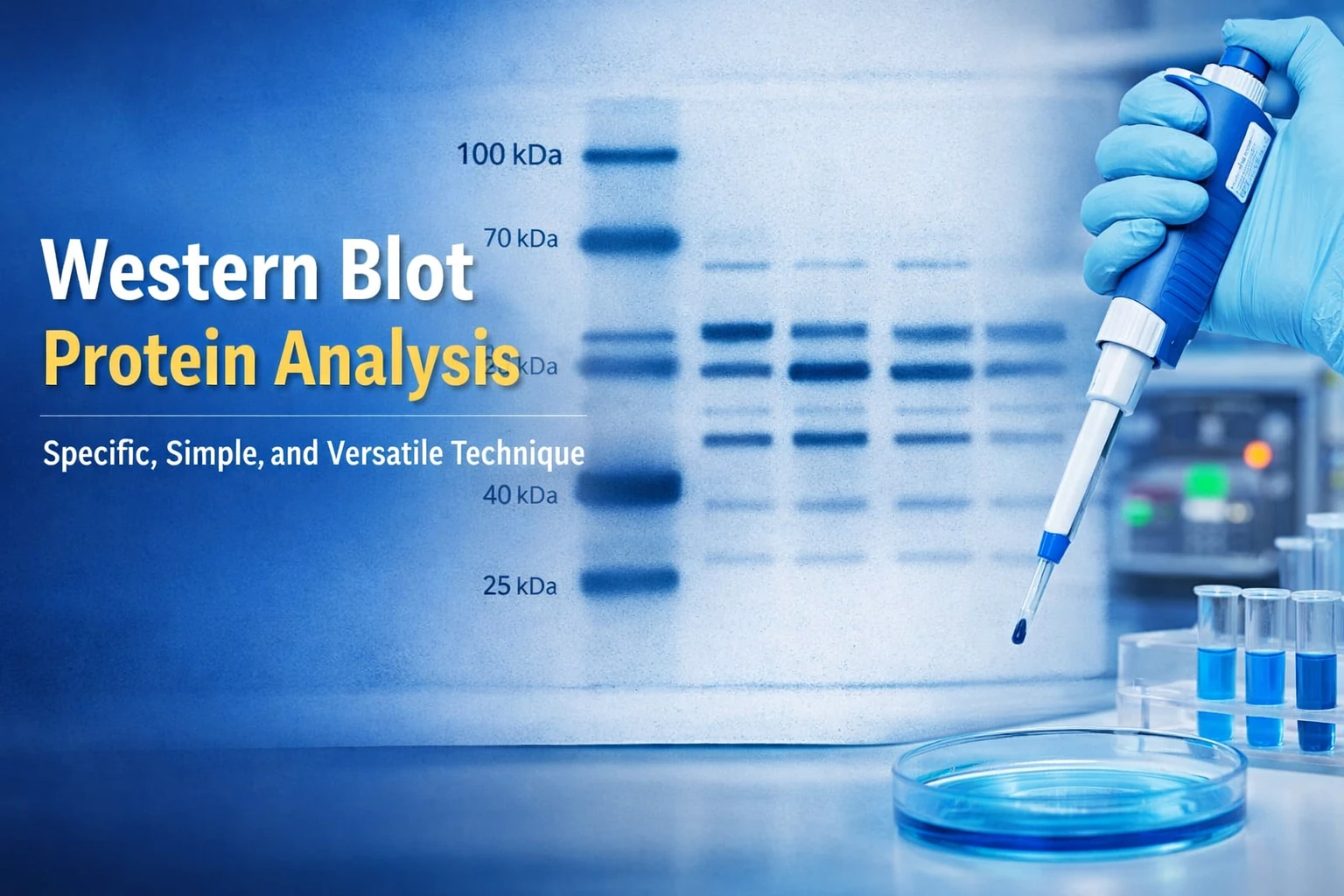
Western blotting remains one of the most widely used techniques for protein analysis, but the transfer step is often the most time-consuming part of the workflow. Traditional wet transfer methods can take several hours or even overnight, while also requiring ice or cold-room conditions to prevent overheating. These extra steps not only slow laboratory productivity but can also introduce variability between experiments.
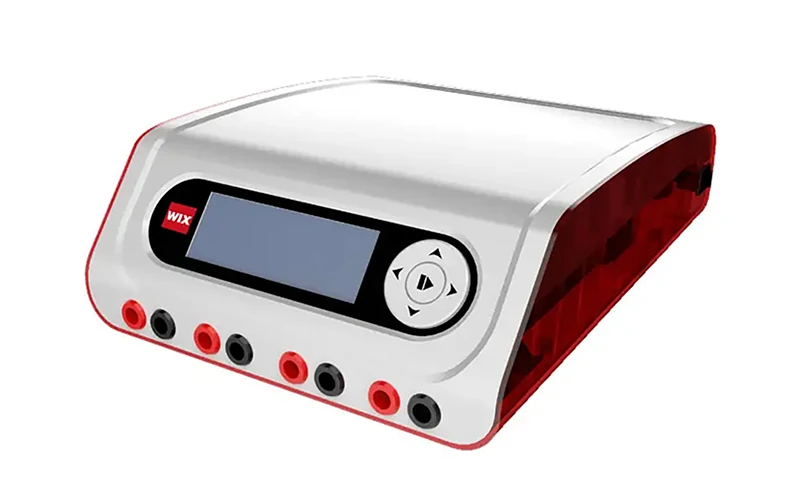
Modern auto cooling transfer systems are changing this workflow by combining rapid protein transfer with precise temperature control. Designed to eliminate the need for ice, the Auto Cooling Fast Blotter WIX-cycleBLOT4 can transfer up to four gels in about 20 minutes while maintaining stable transfer conditions. This article explains how the technology works and why it offers a practical solution for research, clinical, and industrial laboratories.
Protein transfer efficiency directly influences the quality of Western blot data. Slow or inconsistent transfer can reduce signal intensity, increase background, and compromise reproducibility.
Traditional tank-based transfer typically requires either several hours at low current or overnight runs. Maintaining an appropriate buffer temperature is critical, because the electrical current generates heat that can cause gel swelling, protein degradation, or distorted bands. Most protocols rely on placing the entire wet transfer tank in an ice bath or adding frozen cooling packs—an approach that is labor-intensive and difficult to standardize across multiple runs.
Reducing the protein transfer time from hours to approximately 20 minutes transforms the daily workflow. Researchers can complete multiple rounds of western blotting in a single day rather than waiting overnight. Faster transfer, when paired with precise temperature regulation, also supports consistent membrane quality by limiting the diffusion of proteins during prolonged runs, ultimately delivering sharper bands and more reproducible results.
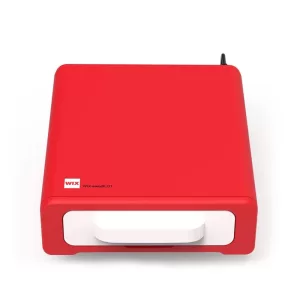
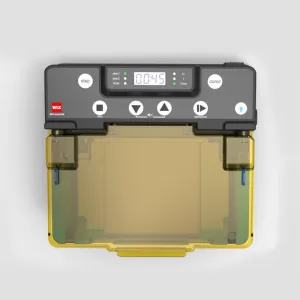
An auto cooling fast blotter is a self-contained Western blot transfer station that integrates a specialized wet transfer tank with an integrated cooling cycler. Rather than relying on ice, the system actively circulates and cools the transfer buffer, maintaining optimal thermal conditions even during high-current rapid transfer. By eliminating the need for ice, the system creates a more stable and repeatable transfer environment.
The integrated cooling cycler pumps buffer at a rate of approximately 1000 ml/min while actively removing heat. In instruments such as the Auto Cooling Fast Blotter WIX-cycleBLOT4, the transfer buffer is automatically maintained at 30–40 °F. This tight temperature window protects protein integrity and gel structure without manual intervention. Once the run is complete, the cooled buffer returns to the tank, ready for subsequent transfers.
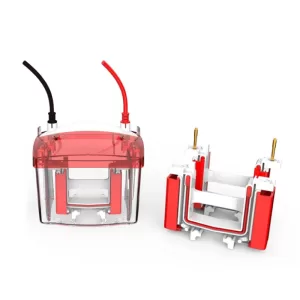
The speed and uniformity of protein migration onto blotting membranes depend heavily on electrode geometry. A conventional parallel plate assembly can generate uneven electric fields, leading to inconsistent transfer across the gel. The Auto Cooling Fast Blotter WIX-cycleBLOT4 employs an E-shaped cathode that encircles a central anode. This configuration produces a more uniform field and allows higher current densities, which is a key factor in completing a reliable transfer in roughly 20 minutes.
Not every protocol demands speed. This Western blot transfer device supports both high-current rapid transfer and the conventional low-current overnight method. Users can select the mode that best suits their sample type and timing, making the instrument versatile for routine laboratory use.
The Auto Cooling Fast Blotter WIX-cycleBLOT4 brings together several practical features that address the real-world needs of a busy life science lab. As a dedicated lab instrument designed for protein analysis, it focuses on throughput, membrane compatibility, and simplified operation.
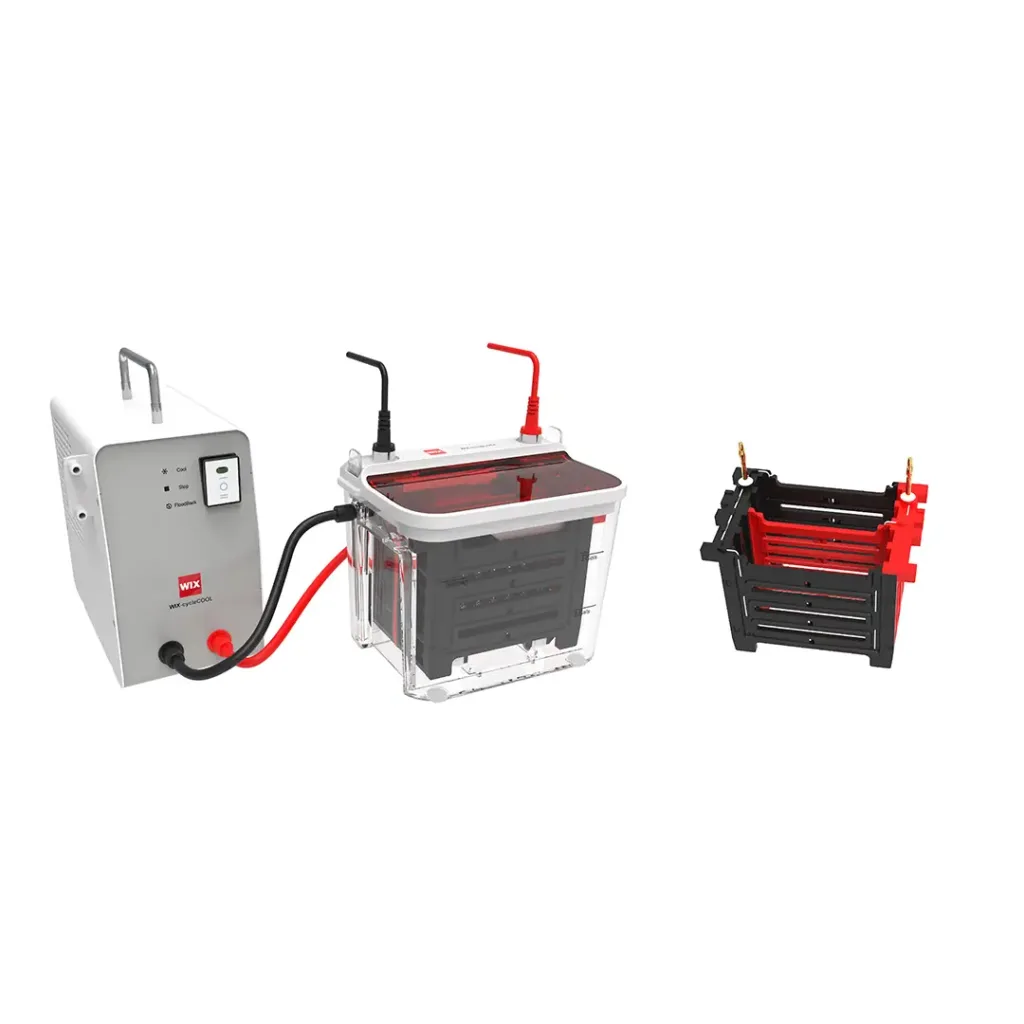
The system can handle 1 to 4 gels per run, each with a transfer area of 110 × 90 mm. This capacity is well-matched to both small-scale experiments and higher-throughput settings, allowing multiple blots to be processed under identical conditions. The electrode assembly is made of 0.25 mm platinum wire, providing chemical resistance and long-term durability.
With its efficient electrode design and active cooling, the instrument transfers proteins in as little as 20 minutes. Even high-concentration gels require no more than 25 minutes. There is no need to formulate special transfer buffers; standard reagents are fully compatible, which lowers consumable costs and simplifies preparation.
The device works seamlessly with the transfer membranes most frequently used in western blot protocols, including nitrocellulose and PVDF. This broad compatibility means laboratories do not need to change established membrane preferences or detection strategies.
The cooling cycler (190 W cooling cycle power) connects directly to the transfer tank and automatically keeps the buffer at 30–40 °F. Users can set up a transfer without ice buckets, frozen coolants, or a cold room. The closed circulation design also reduces evaporation and helps maintain buffer composition over multiple runs. After transfer, the buffer is pumped back from the cooling cycler into the tank, ready for immediate reuse.
A common concern with rapid Western blot transfer systems is dependence on proprietary buffers that add recurring cost. The Auto Cooling Fast Blotter WIX-cycleBLOT4 eliminates this issue: standard Tris-glycine-based transfer buffer containing methanol, or equivalent formulations, can be used with excellent results. This reagent flexibility helps laboratories control operational expenses while maintaining high transfer efficiency.
Because the system can transfer up to four gels in about 20 minutes, the number of blots produced per day rises substantially. The consistent field geometry and automatic cooling minimize lane-to-lane and gel-to-gel variation, so higher throughput does not come at the expense of data quality.
Eliminating ice baths cuts setup time and removes a variable that is difficult to control precisely. Laboratory staff no longer need to monitor melting ice or reposition cooling packs during long experiments, which also improves workplace safety by keeping water away from electrical equipment.
Temperature fluctuations are a known source of variability in western blotting. The automated cooling cycler maintains a steady buffer temperature throughout the transfer, leading to more even protein binding across blotting membranes and supporting the reproducibility required for publication and regulated environments.
This group represents a substantial portion of users, including schools of life sciences, basic medicine departments, and agricultural colleges. The fast transfer capability allows students and principal investigators alike to accelerate experimental cycles and reduce instrument wait times in shared facilities.
In drug discovery, process development, and quality control, consistent and rapid protein analysis is essential. The ability to run multiple blots under controlled, ice-free conditions helps biopharmaceutical and biotechnology service companies meet demanding timelines while maintaining rigorous data standards.
Clinical laboratory and pathology departments, as well as third-party medical testing laboratories, rely on western blotting for confirmatory tests. The ease of operation, fast turnaround, and reproducible cooling make the device a practical Western blot transfer device for diagnostic settings where workflow standardization matters.
Specialized fields such as food safety testing, agricultural biotechnology, forensic identification, and anti-doping analysis also depend on protein analysis. The instrument’s flexibility with buffer conditions and membrane types allows these laboratories to adapt the Western blot transfer step to a wide range of sample matrices without ice-dependent protocols.
Ensure the transfer area accommodates your gel sizes (the Auto Cooling Fast Blotter WIX-cycleBLOT4 handles 110 × 90 mm gels and 1–4 gels per run). The maximum number of gels directly affects daily throughput.
Active cooling without ice is a key differentiator. Look for a system that specifies flow rate and cooling power, and that can maintain the buffer in the 30–40 °F range automatically. Consistent temperature control protects samples and yields sharper bands.
A practical lab instrument should minimize setup steps. Quick-connect tubing, simple mode selection between rapid and overnight transfer, and the ability to use standard buffers all contribute to lower operational friction and faster training.
Verify that the device holds relevant certifications. The Auto Cooling Fast Blotter WIX-cycleBLOT4 has CE certification (Certificate number: IT1440WX08111806) and is manufactured under an ISO 9001 quality management system (Certificate number: 53123QZ0615R0S), and it is protected by patents. Additionally, manufacturers with experience in both distributor and OEM partnerships and a structured after-sales service team provide an added layer of trust, ensuring that technical questions and maintenance needs are addressed promptly.
A: The unit can transfer 1 to 4 gels with a gel size of 110 × 90 mm in a single run.
A: No. The cooling cycler automatically cools the transfer buffer to 30–40 °F, eliminating the need for ice, cold packs, or a cold room.
A: The instrument is compatible with commonly used blotting membranes, including nitrocellulose and PVDF membranes, as well as other standard membrane types.
A: Yes. It is designed for both high-current rapid transfer and low-current overnight transfer, giving users flexibility depending on their protocol requirements.
Efficient protein transfer is essential for achieving reliable and reproducible Western blot results. The Auto Cooling Fast Blotter WIX-cycleBLOT4 addresses common challenges in traditional wet transfer workflows by combining rapid transfer capability, automatic cooling control, and flexible gel capacity in one integrated system.
With the ability to transfer up to four gels in approximately 20 minutes without ice or special reagents, the system helps laboratories improve workflow efficiency while maintaining consistent transfer conditions. Designed for research institutes, biotechnology companies, and diagnostic laboratories, the Auto Cooling Fast Blotter WIX-cycleBLOT4 provides a practical solution for laboratories seeking a faster and more reliable Western blot transfer process.