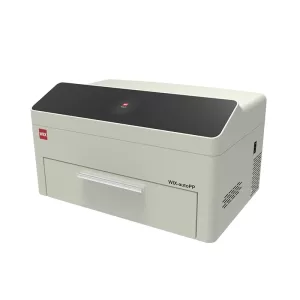

Do You Have Interest in Electrophoresis Tanks?
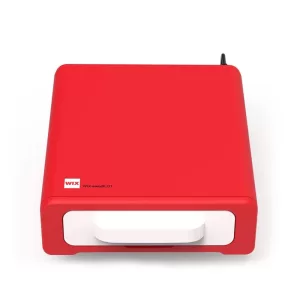
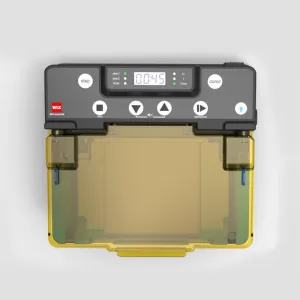
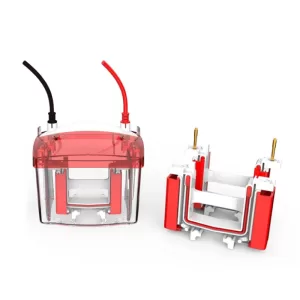
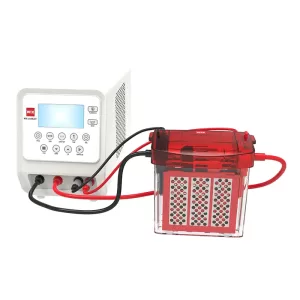
An electrophoresis tank is a core device used to hold electrophoresis buffer and samples in electrophoresis experiments. Its design and performance directly affect the accuracy and reproducibility

A gel documentation system is one of those laboratory instruments that rarely gets attention until it fails — a faint band missed, an overexposed image unusable for publication, a UV lamp without an automatic shutoff. Choosing the right system from the start prevents these problems and directly improves the reliability of your experimental data.
With a wide range of gel imaging systems available, from simple UV boxes to sophisticated digital imaging stations, it can be difficult to determine which features truly matter for your applications. This guide explains what to look for when evaluating gel documentation equipment, covering sensor performance, light sources, workflow efficiency, safety, and certifications — helping research laboratories, pharmaceutical companies, and clinical facilities make a well-informed purchasing decision.
A gel documentation system, often called a gel imaging system or gel doc, is a dedicated instrument used to capture, analyze, and document images of nucleic acids or proteins separated by electrophoresis. Unlike basic gel visualization equipment such as a UV transilluminator with a handheld camera, a modern system integrates a high-resolution camera, precision optics, multiple excitation light sources, and analysis software in one compact unit — transforming qualitative visual inspection into reproducible digital data.
Common applications include DNA electrophoresis, RNA electrophoresis, agarose gel analysis, PCR product confirmation, and protein gel imaging. Whether you run a single agarose gel or process dozens of samples daily, the right gel electrophoresis documentation system enhances both workflow and data reliability.
The imaging workflow in a gel documentation system typically follows four steps:
Choosing the wrong gel documentation system creates problems that go beyond image quality. A sensor with poor low-light sensitivity misses faint bands. A system requiring an external PC slows down every imaging session. Inadequate safety design exposes personnel to UV radiation. An imaging area too small for your gel format limits flexibility. And a supplier without verified certifications or reliable after-sales support becomes a liability over the instrument’s lifetime. The following seven criteria address these risks directly.
The sensor determines overall image quality far more than megapixel count. Modern scientific CMOS sensors — such as the Sony IMX226 back-illuminated CMOS — offer excellent sensitivity and low noise. A 1/1.7-inch sensor with a pixel size of 1.85 µm × 1.85 µm provides a strong balance between resolution and light-gathering ability, which is critical for capturing weak fluorescent signals from DNA electrophoresis gels. Always evaluate the sensor model and specifications, not just advertised resolution.
For most gel documentation applications, 12 MP (4024 × 3036 effective resolution) delivers publication-quality images without the drawbacks of oversized file sizes. What determines faint band detection is not pixel count but sensor noise characteristics:
Different stains require specific wavelengths. A versatile gel imaging system should cover:
A built-in computer with a 10.1-inch capacitive touch screen eliminates the need for an external PC, reduces bench clutter, and simplifies operator training. Researchers can control imaging parameters, capture gel images, and review results directly on the system — a meaningful time saving in high-throughput laboratory environments.
The imaging area must accommodate your standard gel formats. A 16 × 21 cm maximum imaging area fits large-format gels, multiple mini-gels, and western blot membranes without compromising illumination uniformity.
Automatic UV shutoff is non-negotiable: the transilluminator must immediately extinguish when the imaging door is opened. A physical safety interlock reinforces this protection during daily gel documentation sessions. Confirm these are standard features, not optional add-ons.
CE certification confirms conformity with European safety requirements — verify the specific certificate number rather than accepting a generic claim. ISO 9001 certification confirms the manufacturer operates under a controlled quality management system. Both certifications, combined with responsive after-sales support, correlate directly with long-term instrument reliability.
Universities and research institutes — spanning schools of life science, departments of basic medicine, and colleges of agriculture — are the largest users of gel documentation systems. Here, the versatility to image DNA gels, RNA gels, and protein gels is essential for undergraduate teaching, graduate research, and high-impact publications.
In drug development and quality control, reproducibility and documentation are paramount. A gel imaging system used in these environments must deliver consistent results for lot release testing, stability studies, and clone screening. Built-in computers and audit-trail-ready software simplify regulatory compliance.
Clinical laboratory departments and pathology units employ gel documentation for molecular diagnostics, including genetic testing and infectious disease confirmation. Third-party diagnostic laboratories value systems that are easy to operate, safe for high-throughput use, and capable of generating reports quickly.
From detecting genetically modified organisms in food to performing forensic DNA analysis, these labs depend on clear, unambiguous gel images. Reliable low-light imaging and multiple light source options allow sensitive detection of trace DNA amounts critical in anti-doping and judicial investigations.
Always request specific CE and ISO 9001 certificate numbers and validate them with the issuing bodies. A generic CE mark without a traceable number offers no assurance of safety or quality.
Technical support, spare parts availability, and operator training affect the total ownership experience. Prioritize suppliers with verifiable international distributor and OEM experience.
If you need private labeling or customized configurations, confirm the manufacturer has documented OEM experience before committing.
Factor in replacement UV components, emission filters, software updates, and service contracts alongside the initial purchase price.
The WIX-gelPHOTO Gel Doc addresses each of the criteria above in a single integrated system — combining advanced sensor technology, built-in workflow efficiency, and laboratory-focused safety design.
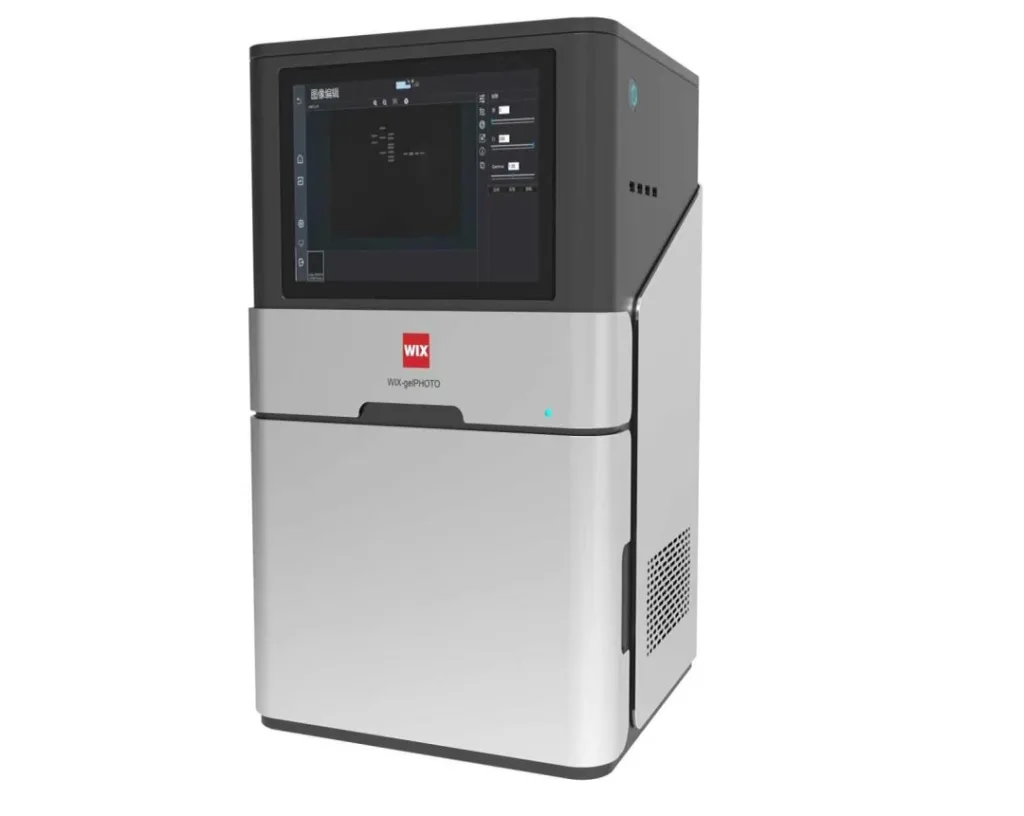
The WIX-gelPHOTO Gel Doc is built around the Sony IMX226 back-illuminated CMOS sensor. With 12 MP resolution, a pixel size of 1.85 µm, an SNR of 40.5 dB, and a dynamic range of 70.5 dB, this system excels at detecting faint nucleic acid bands that lesser sensors would miss. The high SNR ensures clean backgrounds and distinct bands, enabling confident quantification of low-abundance targets in DNA electrophoresis gels.
Eliminating the need for an external PC, the integrated 10.1-inch capacitive touch LCD allows researchers to set exposure times (from 34 µs to 2 seconds), capture images, and review results in seconds. This streamlined operation frees up bench space and reduces the training burden for rotating students or new staff.
With 302 nm and 365 nm UV, 470 nm blue light, and double LED white light, the WIX-gelPHOTO Gel Doc accommodates a wide range of fluorescent and visible dyes. Switching between DNA gel visualization with ethidium bromide and safer blue-light dyes requires no complex reconfiguration, protecting both the operator and sample integrity.
The system features an automatic UV shutoff that immediately extinguishes the transilluminator when the door is raised, preventing accidental UV exposure. This safety-first design is essential for laboratories running multiple gel documentation sessions daily.
The WIX-gelPHOTO Gel Doc holds CE certification (IT1440WX08111806) and is manufactured under an ISO 9001 certified quality system (53123QZ0615R0S). This commitment to international standards, combined with years of OEM and distributor experience, provides assurance of consistent quality and reliable long-term service.
A: A UV transilluminator simply emits ultraviolet light and is typically used with a handheld camera or a protective face shield for visual inspection. A gel documentation system incorporates a transilluminator but adds a high-resolution digital camera, emission filters, integrated software, and safety features — transforming qualitative viewing into quantitative, reproducible, documented digital imaging.
A: Yes. With appropriate fluorescent stains and the correct excitation source — UV for ethidium bromide, blue light for SYBR dyes — a single gel doc handles both DNA electrophoresis and RNA electrophoresis applications. This flexibility makes it a practical investment for multi-purpose molecular biology laboratories.
A: For most labs, a built-in touch screen system offers faster operation, bench space savings, and simpler operator training — particularly useful when multiple users or rotating students share the instrument. If your workflow requires specialized image analysis software not included with the system, verify compatibility with an external PC before purchasing.
A: At minimum, look for CE marking with a verifiable certificate number and current ISO 9001 certification. These confirm the product meets international safety standards and is manufactured under a controlled quality management system. Always validate certificate numbers directly with the issuing bodies rather than accepting a generic claim.
Gel imaging quality directly determines the reliability of your experimental conclusions. A system with the right sensor, appropriate light sources, streamlined interface, and verified certifications removes the variables that lead to missed bands, wasted sessions, and inconclusive data. Use the criteria in this guide to evaluate gel documentation equipment against your laboratory’s specific workflow — and choose a system designed to perform consistently, not just on paper.