
Do You Have Interest in Electrophoresis Tanks?
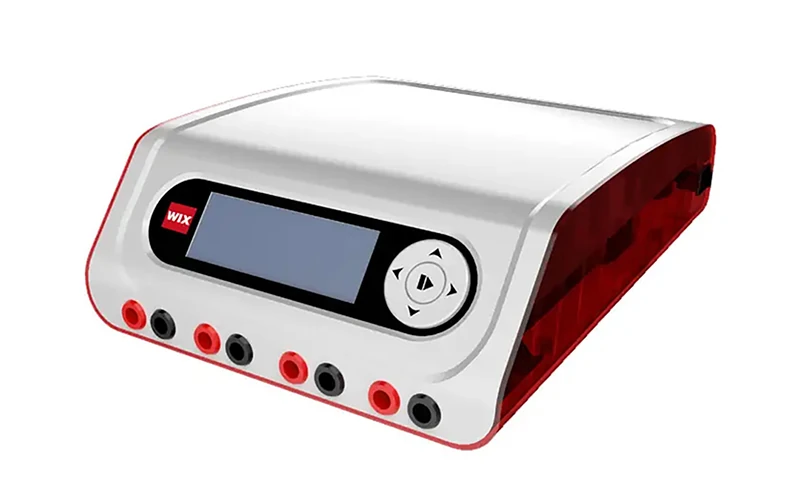
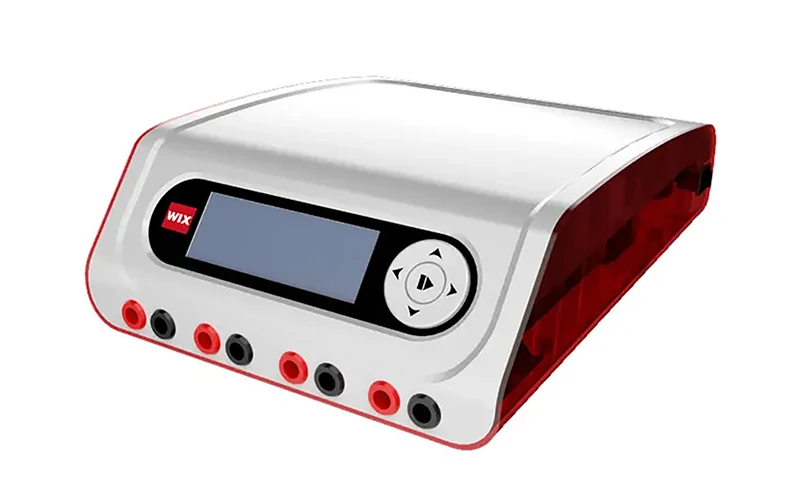
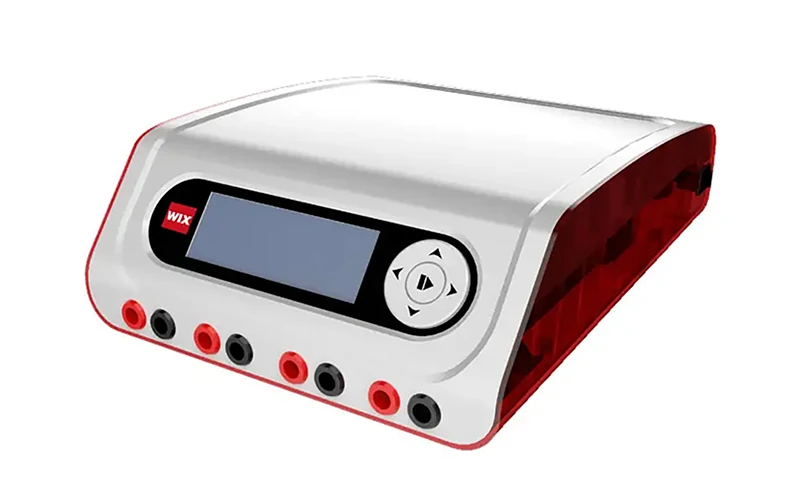
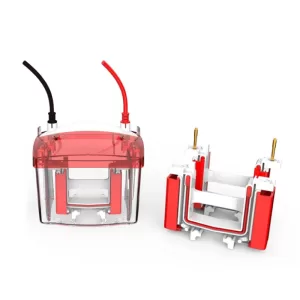
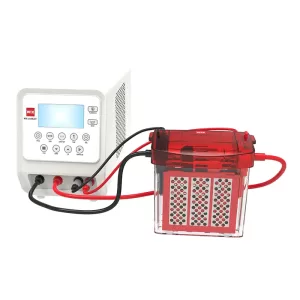
An electrophoresis tank is a core device used to hold electrophoresis buffer and samples in electrophoresis experiments. Its design and performance directly affect the accuracy and reproducibility

Laboratory sample preparation requires both accurate temperature control and reliable mixing. A shaker that combines these functions can help improve workflow efficiency and support consistent experimental conditions across a wide range of molecular biology and life science applications.
However, not every laboratory has the same requirements. Temperature range, mixing performance, block compatibility, and programmability all influence how well a thermo shaker fits different research environments. This guide explains the key factors to consider before purchasing a laboratory shaker and what to look for when evaluating a professional shaker manufacturer.
A thermo shaker is a laboratory instrument that integrates temperature control with shaking or mixing functions. Instead of transferring samples between separate heating and mixing devices, researchers can perform both processes in one system.
The instrument uses metal heating blocks to transfer heat evenly to sample tubes while a motor drives controlled shaking movements. This combination helps maintain stable experimental conditions while improving sample mixing efficiency.
Thermo shakers are commonly used during sample preparation before downstream laboratory procedures, including:
Because both temperature and mixing directly influence experimental consistency, selecting the right shaker is an important investment for many laboratories.
Modern laboratories often process dozens or even hundreds of samples every day. Manual heating and intermittent vortex mixing can increase handling time and introduce variability between samples.
A thermo shaker helps simplify these procedures by combining two essential laboratory functions into one instrument.
Key advantages include:
These benefits make thermo shakers suitable for both research laboratories and routine testing environments.
Temperature control is one of the most important aspects of a thermo shaker because many laboratory procedures require samples to be maintained within a specific temperature range during mixing. Stable temperature control helps minimize fluctuations that could affect sample preparation and contributes to more consistent experimental conditions.
When evaluating a thermo shaker, laboratories should consider both the available temperature range and the instrument’s ability to maintain accurate and stable temperatures throughout the incubation process. Depending on the intended application, temperature consistency may be just as important as the maximum or minimum operating temperature.
The effectiveness of sample mixing depends not only on speed but also on stability. Different laboratory procedures may require different shaking conditions based on sample volume, tube type, and experimental protocol.
Rather than selecting a shaker solely because it offers a high maximum speed, laboratories should evaluate whether the instrument provides smooth and consistent mixing across its operating range. Stable performance during continuous operation can help improve sample homogeneity and support repeatable laboratory workflows.
Laboratories often work with multiple tube sizes and sample formats. Choosing a thermo shaker that supports interchangeable blocks can improve flexibility by allowing one instrument to accommodate different laboratory applications.
The block replacement process is another practical consideration. A design that enables quick and convenient block changes can reduce preparation time and simplify daily operation, particularly in laboratories that frequently switch between different sample formats.
Many laboratories perform the same experimental procedures repeatedly. A thermo shaker with programmable operation allows users to save commonly used temperature and mixing settings, reducing the need to manually configure the instrument before each experiment.
This feature can help improve workflow efficiency, minimize setup time, and promote greater consistency when standardized laboratory protocols are performed by different operators.
Maintaining stable temperature conditions is important during extended incubation periods. Heat loss may reduce temperature consistency and require additional energy to maintain the desired operating conditions.
Some thermo shakers are designed with insulation features that help reduce heat loss during operation. Although often overlooked during equipment selection, thermal insulation can contribute to more stable temperature performance and improve overall operating efficiency, especially for longer laboratory procedures.
A thermo shaker is suitable for a wide range of laboratory environments.
Universities, life science departments, medical schools, and agricultural research laboratories frequently perform experiments requiring controlled heating and mixing.
Pharmaceutical manufacturers and biotechnology companies use thermo shakers during research, product development, and laboratory testing workflows.
Clinical laboratories, pathology departments, and third-party diagnostic centers can use thermo shakers during sample preparation procedures.
Additional application areas include:
A lower purchase price may not always provide the performance required for long-term laboratory use.
Instead, laboratories should evaluate overall reliability, functionality, and compatibility with future applications.
Temperature range alone does not guarantee consistent performance.
Temperature deviation should also be considered, especially for experiments requiring precise incubation conditions.
Laboratories frequently change sample tube sizes.
Selecting equipment with interchangeable blocks provides greater flexibility for future applications.
As laboratory workloads increase, programmable functions and multiple block options can improve operational efficiency without replacing existing equipment.
Selecting an experienced shaker manufacturer is just as important as selecting the instrument itself.
A reliable manufacturer can provide consistent product quality, technical support, and long-term cooperation for distributors and OEM partners.
The factors discussed above provide a useful framework for evaluating different thermo shakers. In practice, laboratories often compare actual product specifications to determine whether an instrument can meet their daily workflow requirements.
The following example shows how these key considerations are reflected in a laboratory thermo shaker designed for routine sample preparation.
| Specification | Details |
| Temperature Control Range | 15°C–100°C |
| Temperature Accuracy | ±0.5°C (within 20°C–45°C) |
| Maximum Mixing Speed | Up to 1500 rpm (depending on the selected block) |
| Block Options | Various interchangeable bearing blocks |
| Block Connection | Tool-free push-and-pull block connection with automatic positioning |
| Programming | Programme editing and storage |
| Thermal Design | Insulation function cover to help reduce heat loss |
| Certifications | CE (IT1440WX08111806); ISO 9001 (53123QZ0615R0S) |
As shown above, selecting a thermo shaker involves balancing several factors rather than focusing on a single specification. Temperature control, mixing performance, interchangeable blocks, ease of operation, and quality certifications all contribute to the instrument’s suitability for different laboratory applications.
As a shaker manufacturer specializing in laboratory equipment, WIX TECHNOLOGY develops thermo shakers designed to support routine laboratory workflows across research institutes, pharmaceutical companies, biotechnology laboratories, and clinical testing facilities.
The company focuses on practical operation by combining accurate temperature control, stable mixing performance, interchangeable blocks, and programmable operation into one instrument, allowing laboratories to adapt to different sample preparation requirements.
Beyond product development, WIX TECHNOLOGY supports both OEM cooperation and distributor partnerships. The company has experience working with customers in different markets and is committed to providing responsive after-sales service for long-term cooperation.
WIX TECHNOLOGY has obtained CE Certification (Certificate No. IT1440WX08111806) and ISO 9001 Certification (Certificate No. 53123QZ0615R0S), reflecting its commitment to recognized quality management standards.
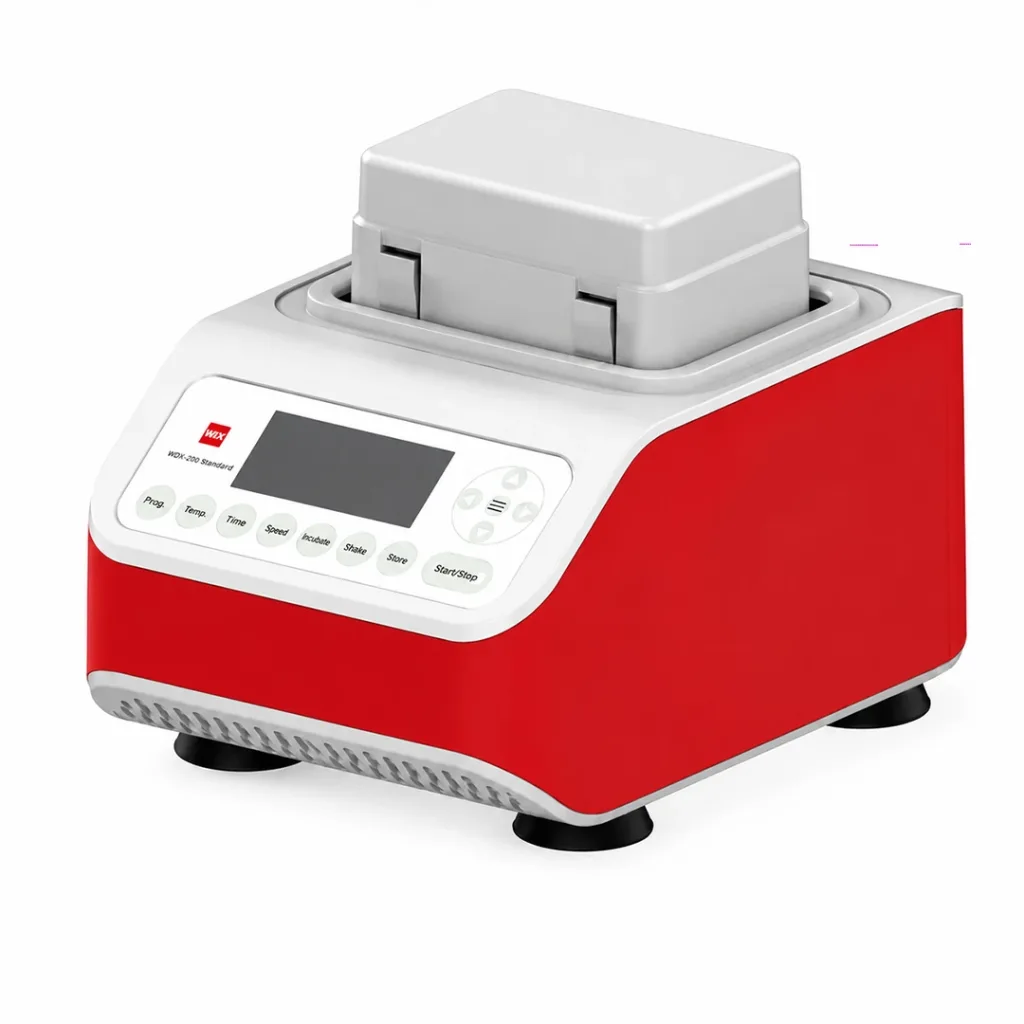
A: A thermo shaker combines temperature control and shaking functions in one laboratory instrument. It is commonly used for sample preparation in molecular biology, protein research, DNA analysis, PCR preparation, and other laboratory applications.
A: Interchangeable blocks allow laboratories to use different tube sizes with the same instrument, improving flexibility while reducing equipment costs.
A: An experienced shaker manufacturer can provide reliable product quality, technical support, OEM cooperation, and long-term after-sales service, which are important considerations for laboratories and equipment distributors.
Choosing the right thermo shaker involves more than comparing technical specifications. Temperature accuracy, mixing performance, block compatibility, programmability, and manufacturer support all contribute to long-term laboratory efficiency.
Whether you are equipping a university laboratory, pharmaceutical company, diagnostic center, or biotechnology facility, selecting a reliable shaker from an experienced shaker manufacturer can help support consistent workflows and meet evolving laboratory requirements.